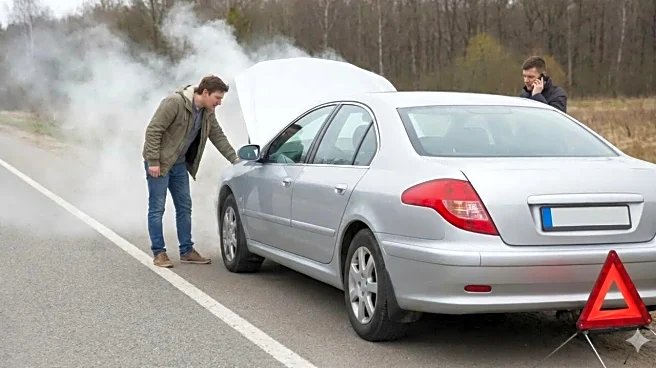




Few things can spike a driver’s heart rate faster than seeing smoke rising from the bonnet of their car. For new or first-time car owners, the moment can be confusing and frightening. Is the car about to catch fire? Can you keep driving? Should you open the bonnet right away? The truth is, smoke from the bonnet is a serious warning, and how you react in the first few minutes can make the difference between a minor repair and major engine damage or worse. The first rule is simple- treat it as a potential emergency.
What Should You Do Immediately?
As soon as you notice smoke, pull over safely to the side of the road. Switch on your hazard lights, turn off the engine, and step out of the car. Shutting down the engine stops further heat build-up and reduces
the risk of fire.
One of the biggest mistakes people make is opening the bonnet immediately. Don’t do that. Wait at least 15 to 30 minutes for the engine to cool down. Opening the bonnet too soon can cause superheated steam to escape or even trigger flames if there’s a fuel or oil leak. If you see actual flames or very thick, dark smoke, move at least 100 feet away and call emergency services. Once things cool down, it’s best to call roadside assistance or a tow truck. Driving further, even for a short distance can cause catastrophic engine failure.
What Does the Smoke Actually Mean?
The colour and smell of the smoke offer clues to what’s wrong.
- White smoke or steam is often linked to overheating or a coolant leak. It usually looks thin and may have a slightly sweet smell. This can happen if a radiator hose bursts or coolant leaks onto hot engine parts.
- Blue or grey smoke usually means the engine is burning oil. This happens when oil leaks onto hot components like the exhaust manifold or enters the combustion chamber.
- Black smoke points to a fuel-related issue, such as excessive fuel burning or a clogged air filter.
- A sharp, plastic-burning smell often signals an electrical short, such as melted wires or insulation.
Also Read: Maruti Suzuki Victoris Base Variant Explainer - What Is Offered For Rs 10.50 Lakh?
Common Causes Behind Bonnet Smoke
The most frequent cause is engine overheating, often due to low coolant, a broken hose, or a faulty radiator or water pump. Oil leaks are another common culprit, producing smoke when oil drips onto hot engine surfaces. Less commonly, electrical faults can cause wires or plastic components to burn.
What You Should Never Do
Never pour cold water on a hot engine. The sudden temperature change can crack metal parts and worsen the damage. And never ignore the problem and “drive it home”—that’s how small issues turn into total engine failure.
If you see smoke from your car’s bonnet, stay calm but act fast. Pull over, shut down, wait, and call for help. Modern cars give warnings for a reason—and smoke is one sign you should never ignore.