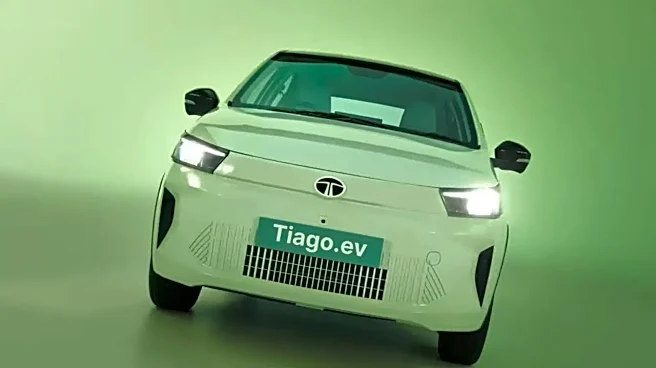



The Tata Tiago EV now comes with a BaaS (Battery-as-a-Service) option. If you are someone who has looked at the EV and wished it were a little easier on the wallet, the BaaS could be the answer. As part of the scheme, the electric hatchback can be purchased at a starting price of Rs 4.69 lakh. The battery cost, however, is paid separately through a usage-based plan. The higher upfront purchase price is one of the major setbacks for many buyers shifting from petrol/diesel cars to EVs in India. As the battery accounts for a notable portion of an EV's cost, several automakers are exploring BaaS (Battery-as-a-Service) to make their EVs more affordable. Tata has introduced this option on the new Tiago EV. If you are planning to buy the 2026 Tata Tiago EV with the BaaS option,
here’s all you need to know about how it works.
What Is BaaS?
Battery-as-a-Service is where you buy the car without paying the full battery cost upfront. The cost of the battery is covered through a separate usage-based subscription. For example, you buy the vehicle but pay for the battery over time, which makes the initial purchase price lower.
How Does The Tata Tiago EV BaaS Option Work?
Under the BaaS plan, the Tata Tiago EV's starting price drops from Rs 6.99 lakh, which is the standard price with the battery included, to Rs 4.69 lakh. But that lower figure is not the final amount that you’ll pay. The battery cost here in this plan will simply shift to a separate usage-based charge, billed at rates starting from Rs 2.6 per kilometre. How much you pay each month, then, largely depends on how much you drive.
Lower Upfront Cost, But Here's What's The Catch
Though the most obvious highlight of the BaaS model is the lower entry price, it should be noted that the Rs 4.69 lakh figure does come with a caveat - which is that the battery isn't included. Owners have to pay for it separately through a usage-based subscription starting at Rs 2.6 per kilometre. The monthly charges can be quite manageable for someone who sticks mostly to shorter commutes within the city, and may make EV ownership easier on the wallet in the initial years. However, because the subscription continues for as long as the car is used, the overall cost can gradually add up over time. Depending on usage patterns and ownership duration, some buyers may eventually spend more than they would have by purchasing the battery outright at the time of buying the car.
As a result, the BaaS model is best suited for those who prioritise a lower upfront investment and are looking for a more affordable entry point into EV ownership.
Also Read: Tata Tiago EV vs MG Comet - Which Budget Electric Car Wins?
Is The BaaS Option Worth It?
For buyers who have been considering an EV but were put off by the higher purchase price, the Tiago EV's BaaS option offers a lower-cost entry point. However, it is important to evaluate the long-term subscription charges alongside the reduced upfront cost before making a purchase decision.