
/images/ppid_a911dc6a-image-177070952852720132.webp)
/images/ppid_a911dc6a-image-177070952776072175.webp)

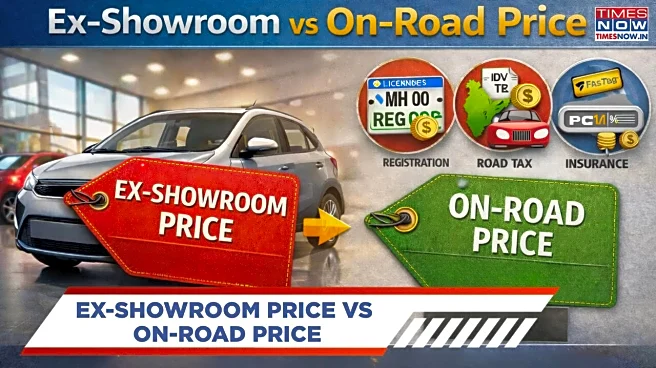
If you look at any brand’s website when buying a new car or bike, you will see it lists the ex-showroom price and on-road price. People find these words quite confusing. They want to know how both of them differ from each other. Put simply, the ex-showroom price is just the basic cost of the vehicle set by the manufacturer and dealer. It includes the factory cost, Goods and Service Tax (GST) as well as any dealer margin. It is basically the figure that you see in brochures and ads, but it is not what you will actually pay at the dealership. The on-road price is the total amount that is required to legally drive the vehicle on public roads. It is always higher than the ex-showroom cost. Read on to understand the differences in detail so that you can
plan your budget accurately.
Also Read: Tata Punch EV Facelift India Launch Set For February 20 – What Tata Has Changed This Time
What Ex-Showroom Price Means
The ex-showroom price is the basic cost of a vehicle exclusive of any legal or compliance fees. It comprises the manufacturer’s base price plus GST and the dealer’s margin. This is essentially the price tag attached to a vehicle sitting at the showroom, not yet ready to be taken legally on road use. One needs to note that this does not include any government levies, and documents necessary for registration.
What On-Road Price Includes
The on-road price is the total expense that you will have to bear to take your vehicle home legally, beginning with the ex-showroom price and essential charges added up. These mostly include registration fees, road tax, motor insurance, FASTag fee plus dealer handling charges among others. It is important to note that the road tax and other miscellaneous charges greatly vary from state to state where a vehicle is bought from; thus affecting the final cost of the vehicle. Optional expenses such as accessories or extended warranty can also add up and increase this value.
Why On-Road Price Is Always Higher
The on-road price is higher because the ex-showroom amount covers only the initial transaction between you and the dealer. The additional costs are necessary to make the vehicle compliant with legal requirements and to protect you as a buyer. Registration and road tax are mandated by state transport authorities, and insurance is compulsory for all vehicles in India. Even if the ex-showroom price appears affordable, the final amount you sign for will be the on-road price.
Also Read: What Are Hybrid Cars And How Do They Work? Explained For Beginners
How This Affects Your Budget
Knowing the difference between ex-showroom and on-road prices helps you plan your vehicle purchase more accurately. Manufacturers often advertise ex-showroom prices since they appear lower, but buyers should always ask for the on-road quote before making decisions. This avoids last-minute budget shocks and ensures your financial planning covers all required costs.
/images/ppid_59c68470-image-177071004258558281.webp)

/images/ppid_59c68470-image-177071011457677600.webp)
/images/ppid_59c68470-image-177071015030845145.webp)
/images/ppid_59c68470-image-177071008324940804.webp)
/images/ppid_59c68470-image-177071007375437723.webp)
/images/ppid_59c68470-image-177071003213418150.webp)
/images/ppid_59c68470-image-177071011165153667.webp)
/images/ppid_59c68470-image-177071003473193707.webp)
/images/ppid_59c68470-image-177071002745745499.webp)
/images/ppid_a911dc6a-image-177070970111222524.webp)
