
Tata Motors has closed March with 66,971 passenger vehicle sales. This means a 29% jump over last year and more importantly, ending FY26 on a high note. What stands out isn’t just the number but where it’s coming from. This isn’t a single-model surge. Demand is spread across SUVs, CNG variants and electric cars which says a lot about how the brand has evolved over the past few years. Read on to know more details.
The Momentum Isn’t New And It’s Been Building
March looks strong but it’s really the result of a steady climb. Tata Motors ended FY26 with its highest-ever annual sales at around 6.42 lakh units, growing 15% comfortably ahead of the broader market.
The second half of the year did most of the heavy lifting, with growth accelerating to 28%. That kind of consistency matters more than
one standout month.
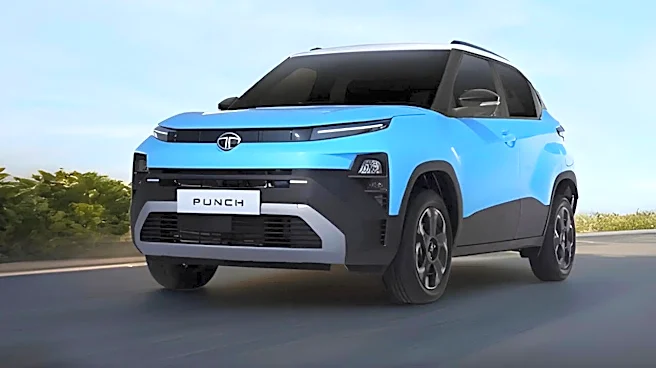
Key models like the Tata Nexon and Tata Punch have stayed at the centre of this push. Both continue to feature among the top-selling SUVs with the Nexon emerging as the highest-selling car in the latter half of the year.
It’s a sign of depth. Tata now has multiple products pulling their weight, not just one headline act.
EVs And CNG Are Quietly Driving The Growth
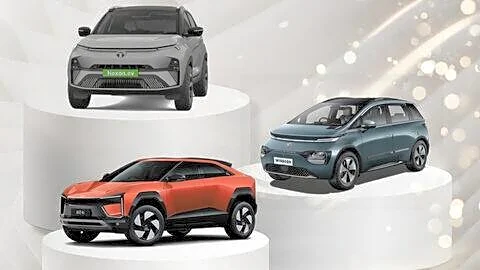
A big part of Tata Motors' story right now is how it has balanced the present and the future. Its EV portfolio crossed 92,000 units in FY26, growing 43% year-on-year. The last quarter alone saw record EV volumes with March contributing strongly.
At the same time, CNG hasn’t taken a back seat. Sales in this segment grew 24%, reaching around 1.72 lakh units for the year.
That mix is doing the real work. While EVs build long-term positioning, CNG continues to bring in volume from cost-conscious buyers. Few carmakers in India are managing both ends this well right now.
Also Read: Tata Sierra Mileage Revealed Via RTI – Real Numbers May Surprise You
What Buyers Should Expect From Here
Strong sales always come with trade-offs. On one side, it reinforces Tata Motors' position now firmly holding the No. 2 spot in both wholesales and registrations in the second half of FY26.
On the other, higher demand can stretch waiting periods especially for popular models like the Nexon and Punch.
There’s also a shift in how the brand is perceived. Tata Motors is no longer just about value. Buyers are increasingly looking at it for safety, tech and now electric mobility as well.
If this trend holds, expect tighter supply in the short term but also stronger resale value and a more confident pricing strategy going forward.


/images/ppid_59c68470-image-177501503169041220.webp)