

/images/ppid_a911dc6a-image-177060805827282660.webp)
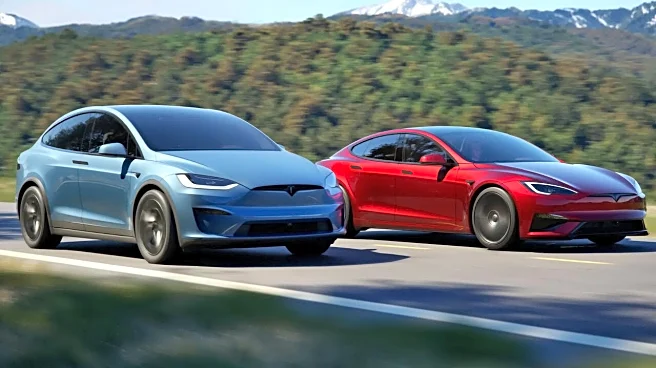
Tesla has dropped standard Autopilot on its entry-level electric vehicles in the United States, marking a significant change in how the company packages its driver assistance technology. Until now, Autopilot, which includes features such as adaptive cruise control and lane keeping assistance, was offered as standard across Tesla’s lineup. With this move, Tesla is shifting these functions behind a paid option or subscription under its Full Self-Driving software. The decision directly impacts affordability, feature access and ownership costs for buyers choosing Tesla’s base models. This change also raises questions about Tesla’s long-term strategy for autonomous driving and how it plans to encourage wider adoption of its advanced software systems.
Also Read: 5 Precautions To Take With Your EV In Extremely Cold Weather
What Has Changed
Earlier, Tesla vehicles came equipped with basic Autopilot as standard, allowing drivers access to assisted steering, braking and lane centering. Now, new entry-level Tesla EVs will be delivered without these features activated. Buyers must opt for Tesla’s Full Self-Driving (FSD) package or subscribe monthly to unlock similar functionality. This change effectively removes core driver assistance systems from the base vehicle price, which basically alters what customers receive as standard equipment. The decision aligns Tesla’s software strategy more closely with a paid digital services model rather than bundling technology into the vehicle’s initial cost.
Impact On Buyers
For buyers, this change increases the total cost of ownership if they want driver assistance features. Entry-level models become more affordable upfront but offer fewer standard safety and convenience tools. Customers who previously expected basic autonomy features at no additional cost must now factor in subscription or one-time payment expenses. This could affect purchase decisions, particularly for budget-focused EV buyers who compare Tesla with competitors offering advanced driver assistance as standard.
Tesla’s Strategy Behind The Move
Tesla’s decision is seen as an attempt to push higher adoption of its Full Self-Driving software, which remains a major revenue source. By removing Autopilot from base models, Tesla encourages customers to subscribe or upgrade. This move also simplifies Tesla’s feature structure, consolidating autonomous capabilities under one paid platform rather than splitting them between standard and premium tiers.
Effect On The Self-Driving Roadmap
While the term Full Self-Driving suggests autonomy, Tesla’s system still requires active driver supervision and does not offer true hands-free driving. Removing standard Autopilot could slow broader exposure to semi-autonomous features among entry-level buyers. However, it may allow Tesla to focus software development and regulatory efforts on one core product instead of maintaining multiple tiers of autonomy.
Industry And Regulatory Perspective
In the wider automotive industry, many manufacturers continue to include advanced driver assistance systems as standard, driven by safety expectations and regulatory pressure. Tesla’s shift stands out by monetising these features separately. Regulators continue to monitor how Tesla markets and deploys its autonomous technology, especially given past concerns over driver misuse and system limitations.
Also Read: Should I Buy A Used Electric Car? What Precautions Should Be Taken?
The Future Ahead
Tesla dropping Autopilot on entry-level EVs changes the value equation for buyers and reinforces the company’s push toward a subscription-based autonomy model. While it supports Tesla’s software-first strategy, it reshapes how drivers access and pay for basic driver assistance features, influencing both ownership experience and the future direction of self-driving technology.






/images/ppid_59c68470-image-177061022954924729.webp)

/images/ppid_59c68470-image-177061016935462141.webp)
/images/ppid_59c68470-image-17706100975451925.webp)
/images/ppid_59c68470-image-177061003054642264.webp)
/images/ppid_59c68470-image-177061026378549420.webp)
/images/ppid_59c68470-image-177061006307290503.webp)