


/images/ppid_a911dc6a-image-178283352069361241.webp)


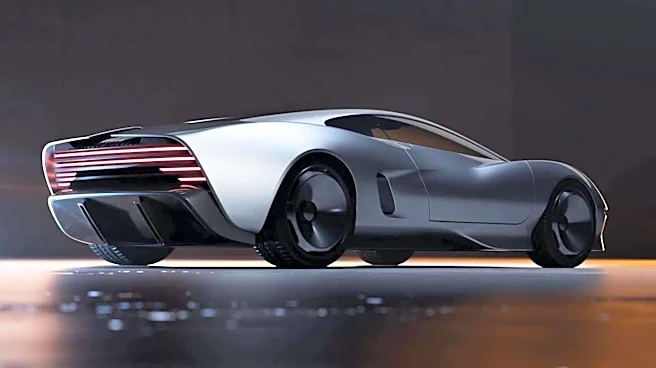
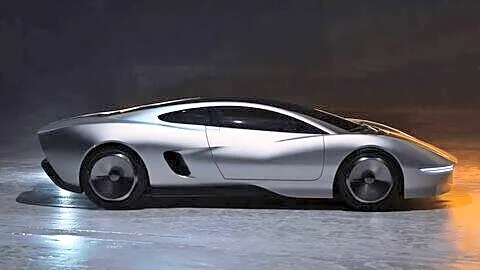
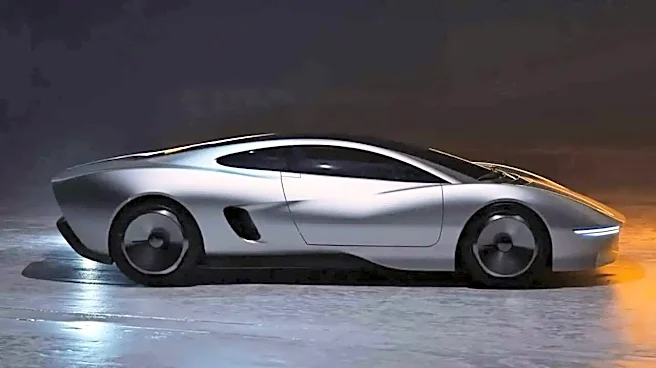
Ian Callum, Jaguar's former design director has revealed a modern reinterpretation of the legendary XJ220 supercar through his UK studio, Callum Designs. Only a couple of images have been shared so far but it's already clear this isn't a quick render exercise, it's a serious design study that may eventually become a real, driveable car. There's no India connection here but for anyone who follows automotive design, this is worth knowing simply because of who's behind it. So, without any further ado, let's take a closer look at this beauty.
Who's Building This Concept?
This project comes from Callum Designs, not Jaguar itself. The UK-based studio is run by Ian Callum, who held the Design Director role at Jaguar for years and has since built a name doing limited-run reimagined
classics including, modernised Jaguar E-Types, alongside bespoke commissions for Mini, Aston Martin and even custom boats.
Calling this "XJ220" is Callum Designs paying tribute to the original car's silhouette instead of Jaguar relaunching the nameplate officially, an important distinction if you're expecting an actual factory revival.
What Design Cues Carry Over?
Going by the single released image, the new concept keeps several recognisable details from the 1992 original: oval-shaped side windows, side air ducts positioned in roughly the same spot, a steeply raked windscreen, concentric arcs moulded into the bonnet near the windscreen base, flared front haunches and even the same silver paint finish. Callum Designs describes it as preserving the original's unmistakable silhouette while reworking every surface and proportion through a more contemporary lens, though full exterior and interior reveals are still pending.
How Fast Was the Original XJ220?
For context on what this concept is referencing, the original 1992 Jaguar XJ220 launched at GBP 470,000 and used a 3.5-litre twin-turbo V6 producing 550 hp and 644 Nm of torque. It was built around a lightweight aluminium honeycomb structure.
It hit a claimed top speed of 343 kmph and could do 0-96 kmph in under 4 seconds, fast enough that Le Mans winner Martin Brundle set a Guinness World Record in 1992 by pushing one to 349 kmph. This made it the fastest production road car of its time. Whether this new Callum Designs version reaches anywhere close to those numbers remains unknown, since powertrain details haven't been shared yet.


/images/ppid_a911dc6a-image-178298052673918238.webp)