
/images/ppid_a911dc6a-image-177065988508731475.webp)
/images/ppid_a911dc6a-image-177065992892171021.webp)
/images/ppid_a911dc6a-image-177066002286370480.webp)
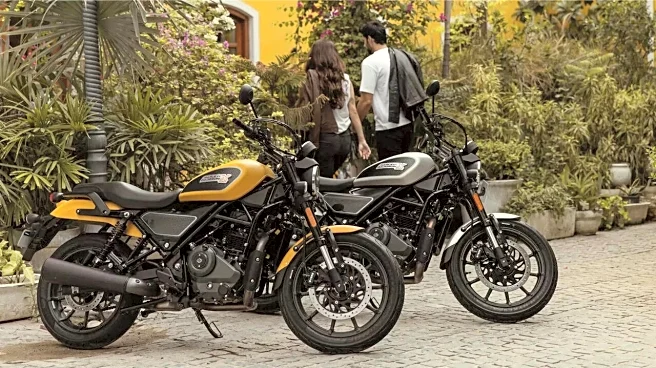
India is preparing to throw open its market to high-capacity American motorcycles with a major tariff shift that could make iconic brands like Harley-Davidson significantly more affordable for Indian buyers. Under an interim trade agreement with the United States, New Delhi has agreed to grant zero-duty access to US motorcycle manufacturers for premium bikes in the 800 cc segment and above, a move officials say reflects broader efforts to deepen trade ties and address long-standing tariff disputes between the two countries. The change comes after years of pressure from Washington over India’s high import duties on American bikes and follows earlier tariff cuts announced in the Union Budget. While India remains a relatively small market for large-capacity
cruisers, the duty elimination is expected to reshape pricing, strengthen bilateral trade signals and give premium motorcycle brands a stronger foothold in the country’s niche but aspirational superbike segment.
India will grant zero-duty access to US motorcycle makers for bikes with engine capacities of 800 cc and above once the interim trade pact is implemented, according to officials familiar with the arrangement. The move is expected to directly benefit Harley-Davidson, whose heavyweight cruisers have long been subject to steep import tariffs in India.
The decision builds on a series of tariff reductions introduced over the past year. In 2025, New Delhi cut import duties on completely built-up motorcycles with engine capacities of up to 1,600 cc from 50% to 40%, and reduced duties on bikes above 1,600 cc to 30% from 50%. The upcoming trade agreement goes further by eliminating duties entirely for qualifying US motorcycles once the pact takes effect.
India and the United States issued a joint statement on the interim trade deal on Saturday, with the agreement expected to be formally signed by mid-March. Officials said the zero-duty provision will come into force on the day the agreement is implemented.
Despite the tariff relief, India remains a relatively small market for high-end imported motorcycles, with premium cruisers and superbikes accounting for only a niche segment of overall two-wheeler sales. Still, the symbolic value of the move is significant. Lower duties could help US brands improve price competitiveness and expand their presence in a market that has traditionally been dominated by locally manufactured or regionally assembled bikes.
Harley-Davidson already has a manufacturing and distribution partnership in India with Hero MotoCorp, announced in 2020. Under that arrangement, Hero develops and sells select Harley-branded motorcycles for the Indian market and manages service, parts and dealer operations. The new tariff regime could complement that partnership by making fully imported high-capacity models more accessible.
The trade pact also includes concessions beyond motorcycles. India is expected to offer duty reductions on certain imported US cars, particularly high-capacity diesel and petrol vehicles, while the United States will ease reciprocal tariffs on select Indian auto components and lower duties on others.
For New Delhi and Washington, the tariff cuts are as much about signalling as they are about sales volumes. Premium motorcycles may represent a small slice of India’s vast two-wheeler market, but the decision underscores a broader push to reduce trade friction, encourage market access and demonstrate momentum in bilateral economic negotiations.
/images/ppid_59c68470-image-177066254567845048.webp)





/images/ppid_a911dc6a-image-177066053933489438.webp)

/images/ppid_a911dc6a-image-177066058165823644.webp)
/images/ppid_a911dc6a-image-177066053439057758.webp)


/images/ppid_59c68470-image-177066006549840674.webp)