

Delhi's draft EV Policy 2.0 draft proposes a 50% road tax and registration fee exemption for strong hybrid cars priced up to Rs 30 lakh — but only until March 31, 2030. For anyone considering a hybrid in the capital, this is worth paying attention to. Right now, hybrids are taxed exactly like petrol cars in Delhi, with zero concessions. The draft changes that, at least partially. Nothing is final yet — it is still under consideration — but the direction the policy is heading is clear enough to factor into your buying decision.
What the Draft Policy Actually Says About Hybrids
At present, Delhi charges 10% road tax on cars above Rs 10 lakh, and hybrid buyers get no relief on that. Under the draft, strong hybrids priced up to Rs 30 lakh (ex-showroom) would get a 50% reduction on both road tax and registration
fees. The window runs until March 31, 2030 — it is time-bound, not open-ended. Once that date passes, the benefit lapses unless a new policy picks it up. To put it in perspective, full EVs under Rs 30 lakh are proposed to get 100% exemption under the same draft. Hybrids are getting half that. The gap is not accidental — the policy is designed primarily to push buyers toward pure electric vehicles, with the hybrid benefit acting as a middle ground for those who are not there yet.
Which Hybrid Cars Would Actually See Lower On-Road Prices
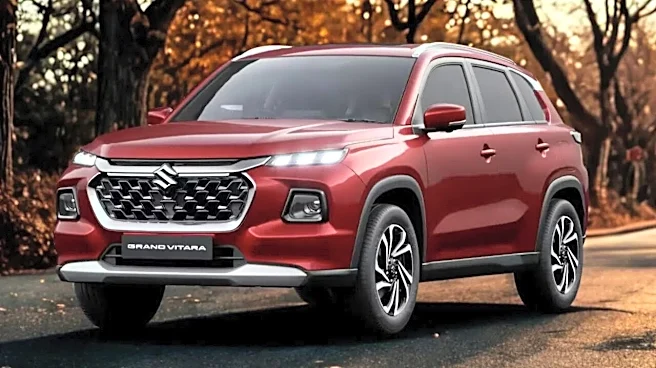
Based on the proposed 50% road tax cut, the estimated savings break down like this — Maruti Suzuki Grand Vitara and Victoris: roughly Rs 83,000 to Rs 1 lakh; Toyota Hyryder: Rs 84,000 to Rs 1.01 lakh; Toyota Innova Hycross: up to Rs 1.45 lakh; Maruti Suzuki Invicto: up to Rs 1.44 lakh; Honda City e:HEV: up to Rs 1 lakh. These are the strong hybrid models currently within the Rs 30 lakh ex-showroom ceiling. The Renault Duster hybrid, expected around Diwali, is also tipped to come in under Rs 25 lakh and should qualify — provided it arrives before the policy is formalised.
What Buyers Should Actually Do Right Now
The policy is still in consideration phase. No final notification has been issued. It is also not a smooth ride to the finish line — Tata Motors and Mahindra have consistently pushed back against hybrid incentives, arguing that they slow EV adoption. That opposition will likely make itself heard during consultations. For buyers, the honest advice is to wait for the final policy before booking a hybrid in Delhi. The potential savings — anywhere from Rs 80,000 to Rs 1.45 lakh depending on the model — are real enough to be worth waiting for, but none of it counts until it is officially notified.