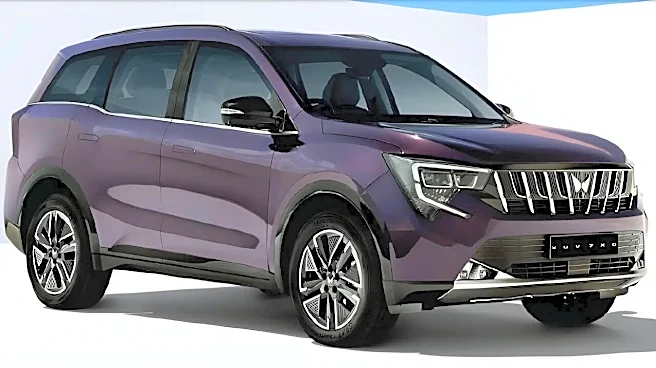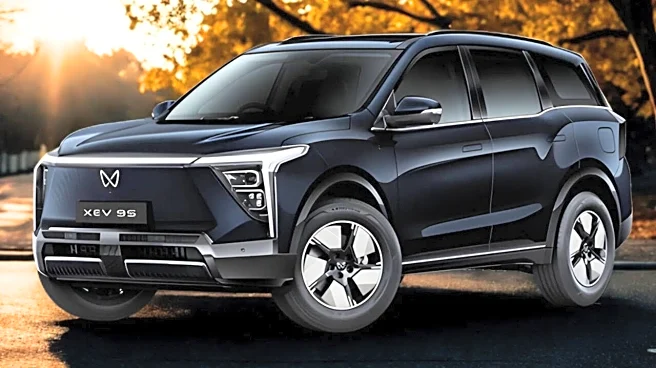

Mahindra’s XEV 9S has moved ahead of the Tata Nexon EV and MG Windsor to become India’s top-selling electric car in February 2026. That’s the headline. What matters more is what it signals - buyers are no longer sticking to familiar names. For anyone tracking the EV space or planning a purchase, this shift changes how the segment is evolving. It’s not just about who sells the most anymore, but why buyers are moving away from long-time leaders toward newer options that promise a different overall package.
A Surprise Lead, Backed By Strong Numbers
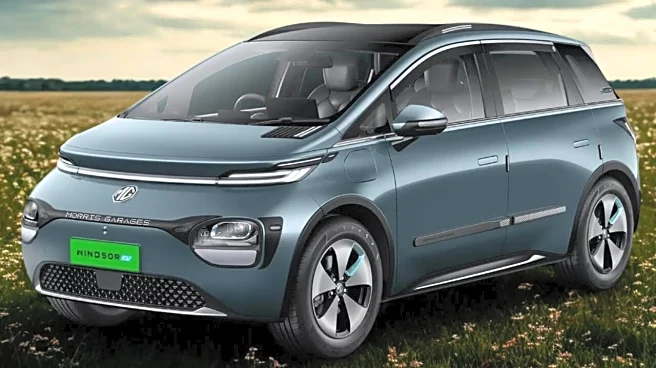
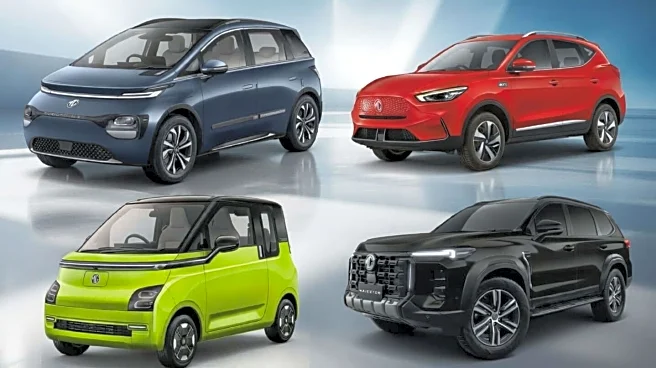
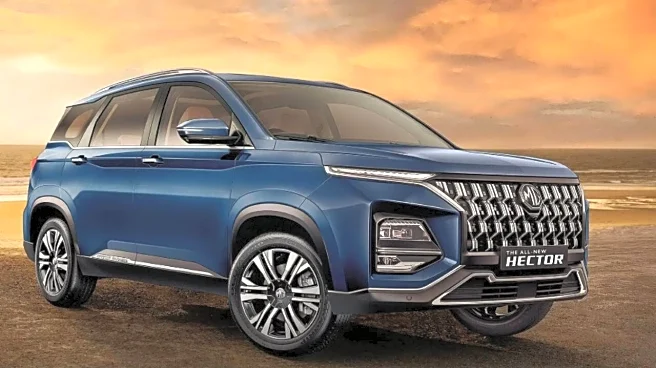
In February 2026, the XEV 9S recorded monthly sales of over 3,500 units, placing it ahead of both the MG Windsor (2,599 units) and Tata Nexon EV (2,410 units), which have typically led this space. The Nexon EV, which has consistently been among
India’s highest-selling electric cars, slipped behind this time, while the Windsor also trailed the Mahindra offering.
This isn’t a marginal change. The gap reflects a clear shift in demand rather than a one-off fluctuation. Mahindra’s newer EV strategy appears to be gaining traction, especially as buyers explore alternatives beyond early entrants.
What stands out is the speed at which this has happened. The XEV 9S hasn’t been around long, yet it has managed to climb to the top in a segment that was relatively stable until recently.
What This Really Signals About Buyer Behaviour
Here’s the bigger picture. Indian EV buyers are starting to move past brand familiarity. Earlier, models like the Nexon EV benefited from being early and widely available. Now, that advantage seems to be narrowing.
The XEV 9S attracting higher volumes suggests buyers are placing more weight on newer offerings, whether that’s design, perceived value or feature mix. It also points to growing confidence in trying out newer EVs instead of sticking to proven options.
This is typically what happens when a segment matures. The first wave is driven by early adopters. The next phase is driven by comparison and choice. February’s numbers suggest the EV market is entering that second phase.
Also Read: Mahindra XEV 9e Cineluxe Edition Reaches Dealerships: What’s New
What It Means If You’re Planning To Buy
For buyers, this shift has immediate implications. A model that starts leading sales often sees higher demand, which can translate into longer waiting periods depending on supply.
At the same time, competition tends to react. Expect responses from Tata and MG, whether through pricing strategies, feature updates or improved availability. That usually benefits buyers sitting on the fence.
There’s also a perception factor. The “best-selling” tag carries weight, especially for first-time EV buyers. The XEV 9S now sits in that position, and that alone can influence future demand.
The takeaway is simple. The EV pecking order in India is no longer fixed. And for buyers, that means more choice but also more decisions to make.