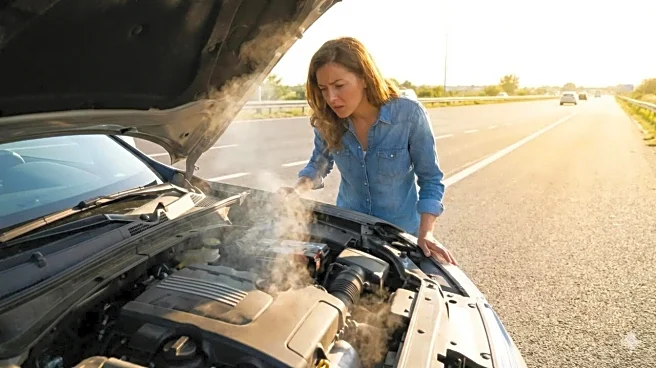



It can always be worrying when you are driving comfortably with the air conditioning (A/C) on and suddenly the cool air turns warm. At the same time, you notice the temperature gauge climbing higher than usual or the coolant indicator increasing. For many drivers, especially those new to cars, this can feel confusing, but in most cases, when your car’s coolant level drops and the A/C stops working together, it is a clear warning sign that your engine is overheating.
However, modern cars are smart. When the engine temperature rises too much, the system often shuts off the A/C compressor automatically. This is done to reduce load on the engine and focus on cooling it down, which means the car sacrifices your comfort to protect the engine. And that is a good thing as overheating can cause serious and expensive damage.Here are five important steps you should follow immediately in this situation-
1. Stop Immediately and Turn Off the A/C
The moment you see the temperature gauge rising or a warning light on the dashboard, pull over to a safe spot. Do not continue driving. Turn off the air conditioning right away. You can even switch the cabin heater to full hot mode for a short time. It may feel uncomfortable, but it helps draw heat away from the engine and reduce temperature slightly. Continuing to drive with low coolant can damage the engine badly. It may lead to a blown head gasket, warped cylinder head or even a completely seized engine.2. Let the Engine Cool Down Completely
Once parked, switch off the engine and open the bonnet carefully. But do not touch anything immediately and wait at least 30 to 60 minutes for the engine to cool down. Never open the radiator cap while the engine is hot. The cooling system is under pressure and hot coolant or steam can shoot out and cause serious burns. Only check anything once the engine feels cool to the touch.Also Read: Switching From Manual To Automatic Car - Five Things Every Driver Should Know
3. Inspect for Leaks and Check Coolant Level
After the engine cools, check the coolant reservoir. If the level is very low or empty, that is likely the reason for overheating. Look under the car for puddles. Coolant is usually bright green, pink or orange. Also check for steam or white smoke coming from the engine bay. A burst hose, cracked radiator, faulty water pump, or stuck thermostat can all cause coolant loss. Sometimes debris blocking the radiator or A/C condenser can also affect cooling efficiency.4. Refill Coolant Carefully
If the coolant level is low, top it up with a 50/50 mix of antifreeze and distilled water. In an emergency, you can add plain distilled water just to reach a service center—but this is only a temporary solution. If the reservoir is completely dry, it is safer not to drive the car. Call for roadside assistance instead. Driving without coolant can destroy the engine within minutes.5. Restart and Monitor the Temperature
After topping up, start the engine and carefully watch the temperature gauge and if it rises quickly again, switch off the engine immediately. This means the problem is not just low coolant, but it could be a bigger issue like a failed water pump or thermostat.Even if the temperature seems normal and the A/C starts working again, do not ignore the issue, in fact visit a trusted mechanic and get the cooling system inspected properly. A simple leak can
become a major repair.







/images/ppid_59c68470-image-17708100384491046.webp)


/images/ppid_59c68470-image-177081008272213141.webp)
/images/ppid_59c68470-image-177081011765347031.webp)