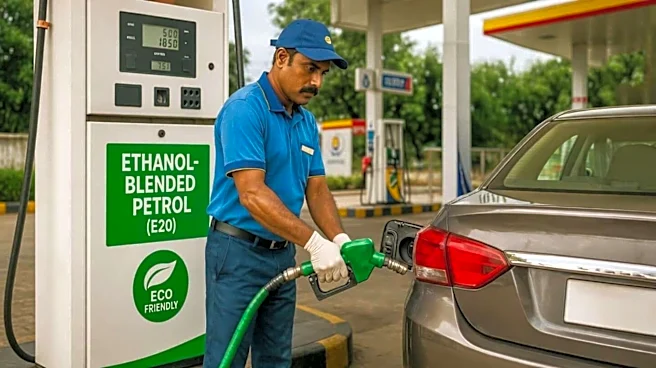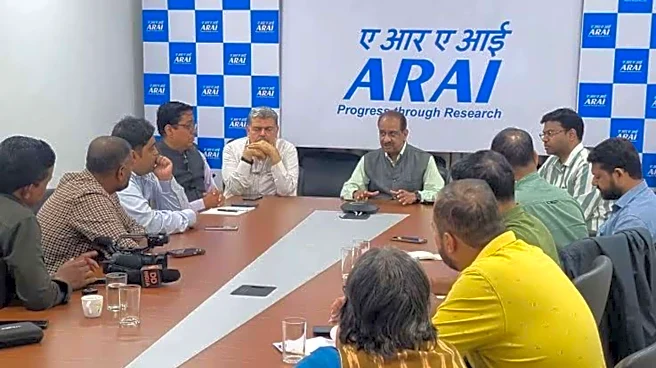

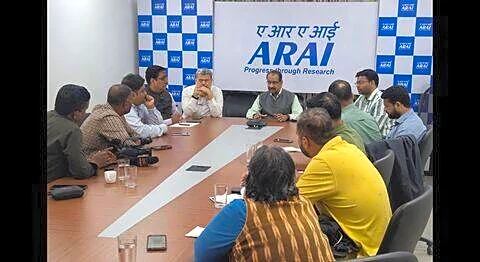
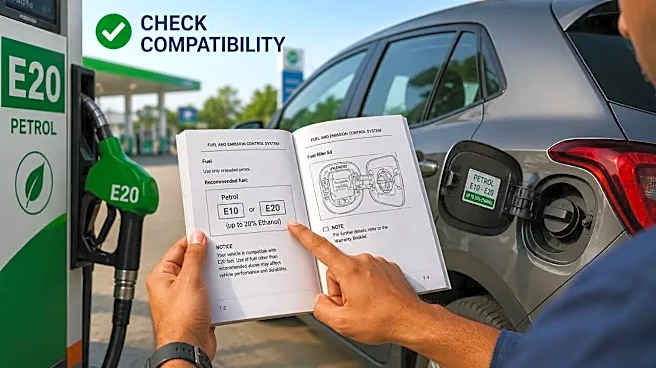


While E20 petrol has only recently reached pumps nationwide, reports about the proposed rollout of E25 have raised concerns among motorists, many of whom are still adjusting to the transition to E20 fuel. The Government has refuted such rumours and clarified that E25 will not be introduced until ARAI's long-term testing is complete. But that speculation has naturally raised an uncomfortable question for anyone who owns a petrol vehicle: If your car is only certified for E10 or E20, is it safe to fill up with E25? While the answer will ultimately depend on ARAI's findings, here's what is known so far and what E25 could mean for fuel efficiency, engine health and long-term ownership.
Why E25 Is Different From E20
E25 has 25% ethanol content in petrol, compared to 20% in E20
fuel. While the five-percentage increase may look small, it is important to note that ethanol behaves differently from conventional petrol. It absorbs moisture more readily and has less energy per litre. Moreover, it can be more aggressive towards certain rubber and metal components if the fuel system is not designed to adapt to a higher content of ethanol. The shift from E10 to E20 required manufacturers to upgrade several fuel-system components such as seals, hoses, gaskets and injectors to suit the higher ethanol concentration. Now, whether these upgrades are adequate for E25 or if prolonged use of the higher blend could lead to additional wear is precisely what ARAI's ongoing long-term study aims to find out.
The Bureau of Indian Standards has already flagged this distinction. At a recent inter-ministerial meeting, the officials indicated that raising ethanol content to 21% (E21) would not cause significant problems for existing vehicles. However, moving directly to E25 is a much larger jump, and that demands extensive validation before any rollout.
Can You Use E25 Petrol in an E10 or E20 Car?
If E25 petrol is introduced, its impact is unlikely to be the same across all cars. Those models manufactured only for E10 are expected to face the biggest challenge, as they were never designed to operate on a fuel containing 25% ethanol. Over extended use, the higher content of ethanol could affect fuel efficiency and increase wear on certain fuel-system components such as seals, hoses and injectors. On the other hand, E20-ready models have upgraded fuel-system components and engine calibrations designed for a 20 percent ethanol blend. This gives them a certain edge over the E10 models. That said, there is currently no official confirmation that these cars can safely run on E25 for the long term. The outcome of ARAI's ongoing study will determine whether India's existing fleet is ready for the transition.