
/images/ppid_59c68470-image-177071511562775348.webp)
/images/ppid_59c68470-image-177071522121761927.webp)
What is the story about?
For
many new car owners, the idea of opening the bonnet and working on the engine feels tough. The workshop seems like the only safe option, but there is one maintenance job that is surprisingly simple, highly satisfying and incredibly important for your car’s health, which is ‘changing the engine oil’.
Think of engine oil as the lifeblood of your car as it lubricates moving parts, reduces heat, cleans internal components and prevents wear. If you ignore it for too long, even the most reliable engine will begin to feel rough, lose efficiency and eventually suffer costly damage. But the good news is that with the right tools and a bit of patience, this is a job you can do at home.What You Need Before You Start
The shopping list is short and affordable - Fresh engine oil of the correct grade (check your owner’s manual, for many cars it’s something like 5W-30)
- A new oil filter
- Socket wrench and oil filter wrench
- Drain pan and funnel
- Jack and jack stands or ramps
- Gloves, rags and safety glasses
Step One: Preparation
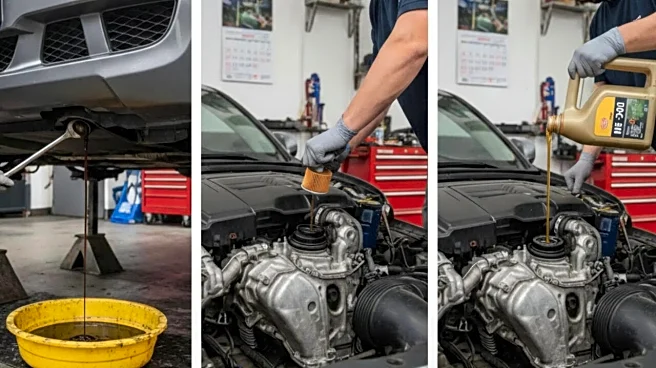
Park the car on a level surface and engage the handbrake. Now, run the engine for a few minutes as warm oil flows faster and drains more completely than cold oil. Then switch the engine off and let it cool slightly so you don’t burn yourself.Lift the front of the car using a jack and always secure it with jack stands. Always follow this golden rule. Never work under a vehicle supported only by a jack.
Also Read: Driving On a Half-Open Expressway? Pay Less Toll From February 15
Step Two: Draining The Old Oil
Under the engine sits the oil pan with a drain plug, place the drain pan below it, open the oil filler cap on top of the engine and loosen the plug using a socket wrench. Once removed, the old oil will begin to flow out. Give it a few minutes, as this is where the engine is literally shedding its old, contaminated fluid. Clean the drain plug, replace the crush washer if needed and tighten it securely. Not too loose, not too tight.Step Three: Replacing The Oil Filter
The oil filter traps dirt and metal particles, so replacing it is just as important as changing the oil. Use the filter wrench to remove the old one. Before installing the new filter, apply a thin layer of fresh oil to the rubber gasket, which will ensures a proper seal. Screw it in by hand until snug. No brute force needed.Step Four: Refilling With Fresh Oil
Using a funnel, pour in the recommended amount of new oil. Start the engine for about 30 seconds and check underneath for leaks. Switch it off, wait a few minutes and check the dipstick. The oil level should sit neatly between the minimum and maximum marks.And that’s it, your engine now has fresh life.







/images/ppid_a911dc6a-image-177071303076331213.webp)


/images/ppid_a911dc6a-image-177071443569946022.webp)
/images/ppid_a911dc6a-image-177071443822834480.webp)
