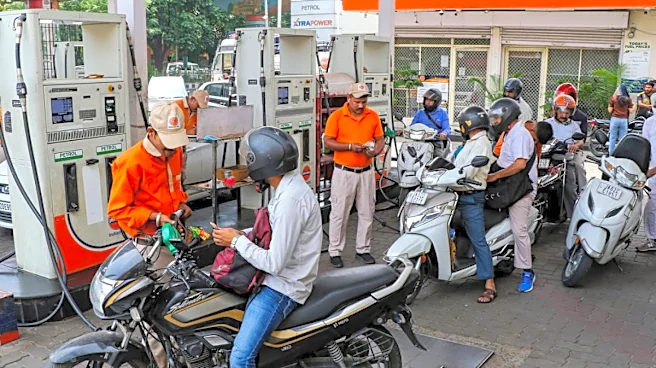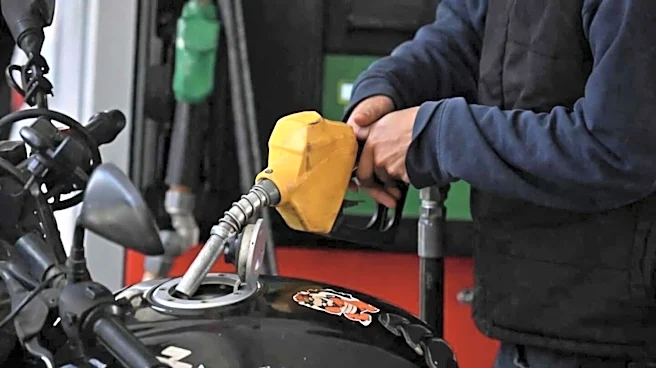




The moment fuel prices go up, conversations around electric scooters start returning almost immediately. That’s happening again now after petrol and diesel prices were increased by Rs 3 per litre across India. With oil prices rising over 40 per cent since the West Asia conflict escalated, daily commuters are once again doing simple monthly math in their heads. Someone travelling 35-40 km every day doesn’t need long to notice the difference at the fuel pump. This is exactly where electric scooters start feeling less like “future technology” and more like basic financial practicality for city riders.
These Scooters Are Popular Mainly Because They Feel Easy To Live With
Bajaj Chetak C2501 is one of the clearest examples of this. Priced from Rs 91,504 (ex-showroom, Bengaluru), the scooter doesn’t try to behave like
a flashy offering. It feels simple, familiar and easy to understand. The seating posture is relaxed, the controls are straightforward and the overall experience feels closer to a normal family scooter than something radically different.
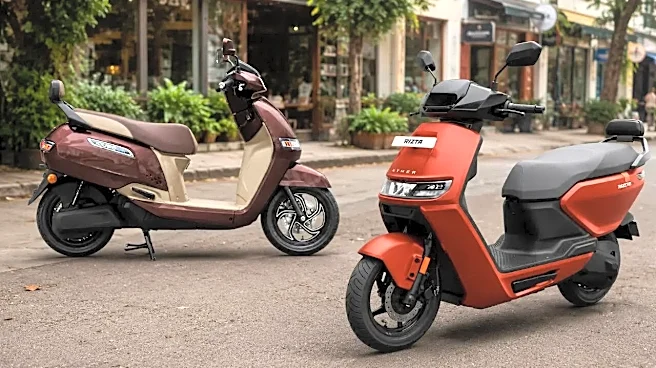
The TVS iQube, starting at Rs 1.07 lakh (ex-showroom), has quietly become extremely common in urban areas for similar reasons. You now spot them regularly in apartment parking lots and office basements. The scooter focuses heavily on everyday comfort. The seat is practical, storage space is useful and the riding behaviour feels predictable in traffic.
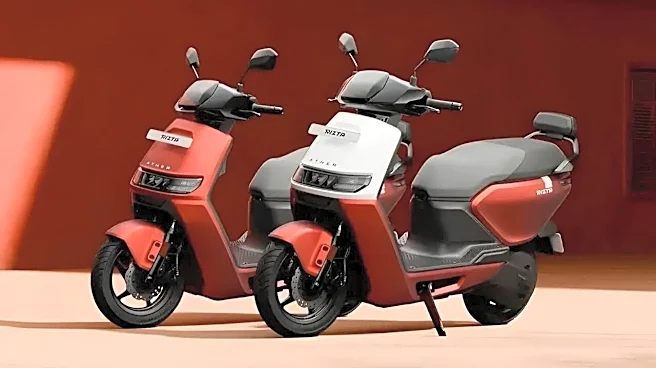
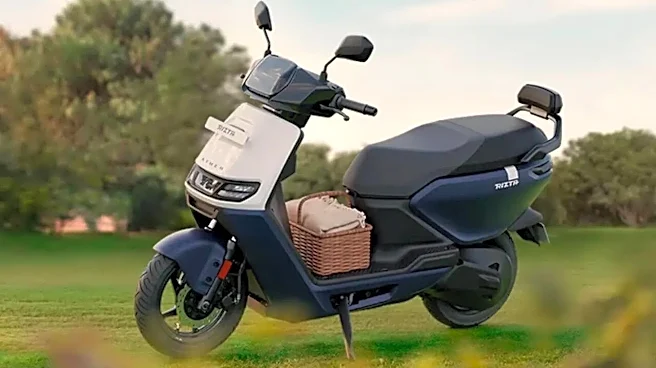
Then there’s the Ather Rizta at Rs 1.17 lakh (ex-showroom). This scooter was very clearly designed around family usage. The longer seat, calmer riding posture and bigger storage area make that obvious within minutes of sitting on it. That’s what many people buying scooters today actually care about. Not lap times. Not flashy acceleration videos. Just something that feels comfortable and doesn’t become expensive to run every month.
Also Read: TVS iQube Price, Range, Variants, Performance And All You Need To Know
Some Riders Still Want Their EV To Feel Quick
At the same time, not every buyer wants a calm commuter. The Ather 450X, priced from Rs 1.51 lakh (ex-showroom), continues targeting people who still want sharper acceleration and stronger performance in city traffic. Compared to family-focused scooters, the 450X feels noticeably more responsive when you open the throttle.
Honda’s Activa Electric takes a different route. Starting around Rs 1.20 lakh (ex-showroom), the biggest advantage here may simply be familiarity. A lot of Indian buyers already trust the Activa name because they’ve used one at some point over the last two decades. And realistically, that matters more than many companies admit. For plenty of people, switching to electric still feels like a big step. Familiarity makes that transition easier.
The bigger picture here is fairly simple though. Every time fuel prices rise sharply, more people start reconsidering how much they spend on daily commuting. And once someone starts comparing weekly petrol bills against overnight home charging costs, electric scooters suddenly stop feeling niche very quickly.