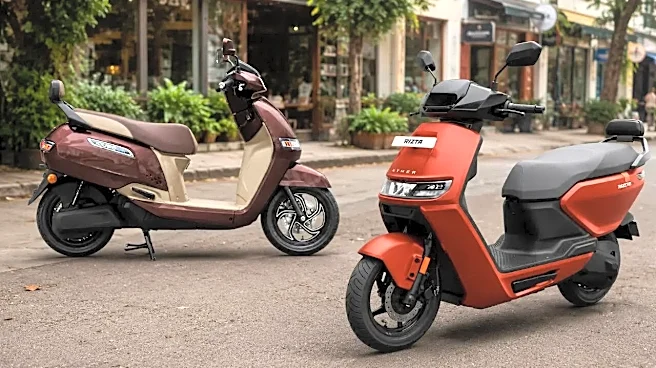

Buying an electric scooter or bike in Delhi could soon become more cheaper than before. Under the Draft Delhi EV Policy 2.0 (2026–2030), buyers will be eligible for subsidies of up to Rs 30,000 on electric 2Ws. They will also gain from exemptions on road tax and registration fees. This could make popular electric two-wheelers like the TVS iQube, Bajaj Chetak, Ather Rizta and Ola S1 Pro noticeably more affordable for buyers in the capital. With the government also proposing a gradual phase-out of petrol-powered two-wheelers from 2028, the policy is expected to increase EV adoption, particularly in the two-wheeler segment, while expanding choices across different price brackets. If you are planning to purchase an electric 2W in India, here's all
you need to know about the new Delhi EV policy possible benefits.
Who Can Get Subsidies For Electric Two-Wheelers?
As per the draft policy, subsidies can be availed only on electric two-wheelers, which are priced up to Rs 2.25 lakh (ex-factory). The incentive amount will depend on the scooter or bike’s battery capacity, and subsidies will be calculated on a per-kWh basis and capped at a fixed amount per vehicle. Buyers who switch early are likely to benefit the most, as the subsidy amount will gradually reduce every year under the proposed policy.
How Will The Subsidy Reduce Every Year?
- Year 1: Rs 10,000 per kWh, up to a maximum benefit of Rs 30,000 per electric two-wheeler.
- Year 2: The subsidy reduces to Rs 6,600 per kWh, with a maximum benefit of Rs 20,000 per vehicle.
- Year 3: It is further falls down to Rs 3,300 per kWh, capped at Rs 10,000 per vehicle.
As you can see, the subsidy is offered the highest in the first year and then it gradually reduces over time. What this is that the early buyers will be able to save more, compared to earlier. For electric two-wheeler buyers in Delhi, particularly those from middle-income bracket, the incentive scheme directly lowers the upfront cost of electric two-wheelers, making them more affordable at the time of purchase.
As the incentives are higher in the first years, several buyers in this class can reduce their effective on-road price by a noticeable margin, and ease the financial burden of switching from petrol vehicles. This is especially important for households that rely on scooters and bikes for daily commuting.
Extra Savings for Replacing Old Petrol Two-Wheelers
A scrapping incentive under the Delhi EV policy draft adds one more layer of savings for buyers planning to upgrade to electric two-wheelers. According to the Delhi EV Policy 2026-2030, the owners of old Delhi-registered BS-IV and below two-wheelers can get an incentive of an additional Rs 10,000 when they scrap their vehicle through an authorised scrapping facility and purchase a new electric two-wheeler.
- Applicable only to Delhi-registered BS-IV and older two-wheelers.
- Vehicle must be scrapped through an authorised scrapping centre.
- New electric two-wheeler must be purchased within 6 months of CoD issuance.
Zero Road Tax and Registration Fees
Under the draft Delhi EV Policy, electric two-wheelers will get a 100% exemption from road tax and registration fees at the time of purchase. Road tax and registration charges can add a considerable amount to the on-road price, and waiving them helps reduce the overall purchase burden for buyers.
The policy has proposed that only electric two-wheelers will be eligible for new registrations in the city from April 1, 2028, which means that the ICE two-wheelers will effectively be phased out. As a result of this, the EV 2W segment will expand fast, and more automakers and startups will likely introduce multiple electric scooters and bikes across different price points, battery capacities, and performance levels.




/images/ppid_a911dc6a-image-177900523382898743.webp)

/images/ppid_59c68470-image-177900503051159935.webp)



/images/ppid_a911dc6a-image-177900502660462879.webp)