
/images/ppid_59c68470-image-177068754309129213.webp)
/images/ppid_59c68470-image-177068773220034130.webp)
/images/ppid_59c68470-image-177068778557690523.webp)
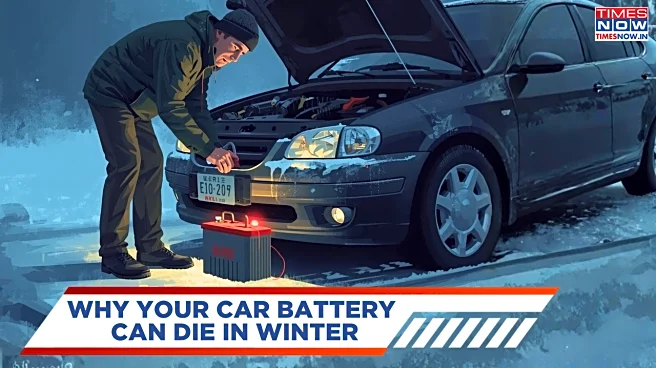
New and experienced car owners can often be caught off guard with a drained car battery during the winter season and the cold temperature is to blame for it. The impact of cold weather on car batteries is significant, often leading to reduced performance and increased likelihood of failure. Understanding these factors can help vehicle owners prepare for the challenges of winter driving.
Also Read: Tata Sierra Bookings Open In India — Check Price, Variants And Engine Options
Cold temperatures cause the chemical reactions within car batteries to slow down, resulting in diminished power output. This is particularly concerning during the winter months, when drivers rely more heavily on heating systems and other electrical components. As a result,
the battery faces additional strain, which can accelerate a performance decline.
To avoid battery issues during winter, regular car maintenance is crucial, especially in regions with harsh winters, such as Delhi. Vehicle owners should routinely check battery terminals, ensure proper charge levels, and clean connections to prevent corrosion. Maintaining a full gas tank can also help prevent the fuel lines from freezing, which can lead to starting issues and sluggish performance, resulting in an added load on the battery.
When temperatures drop, car batteries can potentially lose up to 60% of their strength, making it essential for drivers to be proactive. Experts recommend using battery warmers in extremely cold conditions to enhance performance, however, this could be a practical solution if you plan to store your car during the winter months. Furthermore, if a vehicle is parked outside, consider investing in a garage or using thermal blankets to shield the battery from the cold air.
Emergency Measures - How To Jump-Start A Dead Battery
If your car battery fails during winter, knowing what to do can save time and frustration. First, ensure safety by moving the vehicle to a secure location if possible. If a jump-start is required, have jumper cables ready and follow these steps:
1. Position the working vehicle close enough for the cables to reach both batteries.
2. Connect the red (positive) cable to the dead battery first, followed by the working battery.
3. Attach the black (negative) cable to the working battery and then to a metal ground on the car with the dead battery.
4. Start the working vehicle and allow it to charge the dead battery for a few minutes before attempting to start the second vehicle.
5. Remove the cables in reverse order once the dead battery starts.
If jump-starting is unsuccessful, it may be necessary to call for professional assistance or a roadside service. Having a mobile phone handy and keeping emergency contact numbers accessible can prove helpful in an emergency situation.
Keep reading Times Now Auto for more relevant tips on keeping your vehicle safe and functioning during the winter season.


/images/ppid_a911dc6a-image-177069103696049438.webp)

/images/ppid_59c68470-image-177069004415381828.webp)

/images/ppid_59c68470-image-177069015656989662.webp)
/images/ppid_59c68470-image-177069019679222018.webp)
/images/ppid_59c68470-image-17706901166498245.webp)
/images/ppid_59c68470-image-177069008086153671.webp)
/images/ppid_59c68470-image-177069012456821934.webp)

/images/ppid_a911dc6a-image-17706892382281453.webp)