


/images/ppid_59c68470-image-177504759581686245.webp)
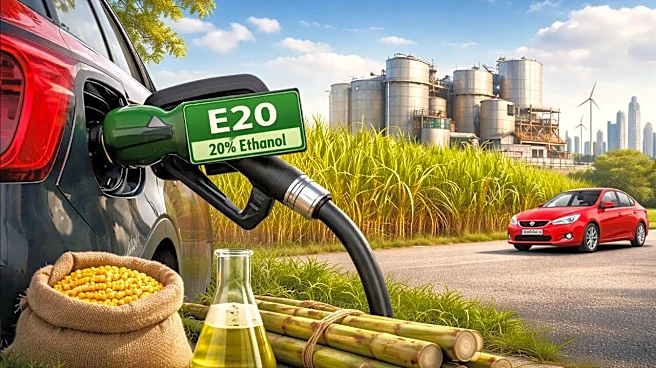
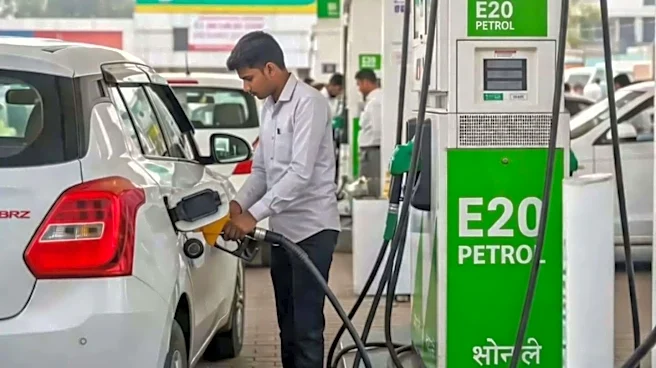
From April 1, 2026, India has taken a major step in its journey towards cleaner mobility. The government has made E20 petrol mandatory, meaning all fuel pumps will now supply petrol blended with 20% ethanol and 80% petrol. This move comes after a notification by the Ministry of Petroleum and Natural Gas, and it marks a big shift in how vehicles will run across the country.
What Is E20 Petrol?
E20 petrol is a mix of 80% regular petrol and 20% ethanol. Ethanol is a type of biofuel made from crops like sugarcane and corn. This blend is designed to reduce pollution from vehicles and cut down India’s dependence on imported crude oil. In simple terms, it is a cleaner and more locally sourced fuel.
Why Has India Made It Mandatory?
India imports a large
portion of its oil from other countries. This makes fuel prices sensitive to global events like wars or supply disruptions. By adding ethanol, which is produced within India, the country can reduce its dependence on imports. This not only saves money but also protects the economy during global crises.
At the same time, E20 petrol produces lower emissions compared to pure petrol. This helps reduce pollution and supports the government’s push towards cleaner transport options like EVs, CNG, and hybrid vehicles.
How Will It Affect Your Car?
For most modern vehicles, especially newer models, E20 petrol is compatible and safe to use. Automakers have already started preparing engines to handle higher ethanol blends.
There are also some benefits. Ethanol has a higher octane rating, which can improve engine performance slightly. It also helps in better combustion, which can make the engine run smoother.
However, there are a few downsides to consider. Ethanol has lower energy content than petrol, so you may see a small drop in mileage. Also, older vehicles that are not designed for E20 may face issues like wear and tear of rubber components over time.
Also Read: Ertiga Smart Hybrid ZXI+ Explained - What Maruti Suzuki Offers For Rs 12.94 lakh
Economic Advantage
One of the biggest advantages of E20 petrol is economic. Since ethanol is produced in India, it supports local agriculture and industries. It also reduces the country’s fuel import bill. This is important, especially when global oil prices rise due to geopolitical tensions or supply issues. Leaders like Nitin Gadkari have been strong supporters of ethanol blending. There are even plans to move towards higher blends like E85 and E100 in the future.
What Should You Do As?
If your car or bike is relatively new, it is likely compatible with E20 fuel. If you own an older vehicle, it is a good idea to check your owner’s manual or consult a service centre. Regular maintenance will also help avoid any long-term issues.
The introduction of E20 petrol is not just a fuel change, as it is part of a larger shift towards sustainable mobility in India. With a mix of electric vehicles, biofuels, and cleaner technologies, the country is slowly reducing its dependence on traditional fuels. E20 petrol marks an important step for India’s future. It aims to reduce pollution, cut fuel imports, and support local production.



/images/ppid_59c68470-image-177494255616152606.webp)