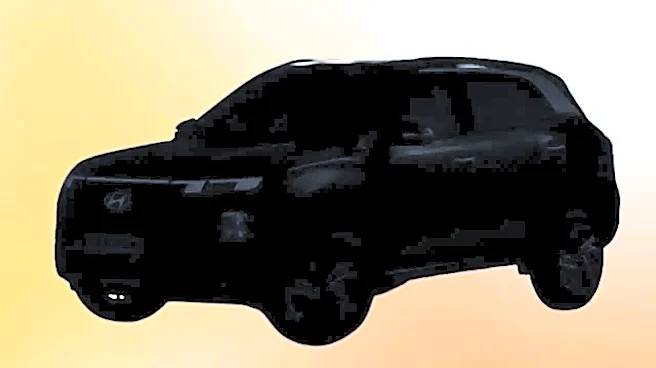

Hyundai has three models coming to India soon — a next-gen Creta, a new i20, as well as a sub-4-metre electric SUV. All three have either been spotted testing or confirmed through official teasers and each one sits in a different segment. Hyundai confirmed 26 models for India by 2030 at its 2025 Investor Day and these three are among the first in line. If you're planning a purchase in the next six to twelve months and any of these are on your radar, here's what the current information actually tells you about each one.
New Creta and i20 Facelift — What's Actually Changing
The next-gen Creta is confirmed to get Hyundai's Pleos Connect Android-based infotainment system with a software-defined vehicle architecture underpinning the whole setup. The new infotainment will include AI features and spy shots
have already confirmed the car is growing in size compared to the version currently on sale. No mechanical changes are expected on the powertrain side. For anyone currently shortlisting in the Rs 11–21 lakh SUV bracket, the bigger dimensions and the updated software platform are the two things actually worth factoring into a buying decision — everything else is likely to stay familiar.
The new i20 is also expected to be slightly larger. Spy shots show updated front seat upholstery with i20 motifs and a logoless steering wheel borrowed from the Venue. Engine options are expected to carry over — the 1.2-litre naturally aspirated petrol with manual and AMT will handle the standard variants and the 1.0-litre turbo will remain exclusive to the N Line. There's no significant powertrain change on the cards, so this one is primarily a size, interior and features update rather than a ground-up rethink.
The Sub-4m EV — Why This One Has the Most Riding on It
Of the three, this is the model that has the broadest relevance for Indian buyers. Hyundai has confirmed Level 2 ADAS for the sub-4m EV and has specifically stated that localisation will be taken from 82% to 90% for this model. Pricing is expected to go beyond Rs 15 lakh. On the mechanical side, it is expected to share its platform and powertrain with the Kia Syros EV — due in July 2026 — with both models likely borrowing hardware from the international Hyundai Inster EV. Two battery options are on the cards: a 42 kWh unit making 95 bhp and 147 Nm, and a 49 kWh unit making 113 bhp and 147 Nm.
The localisation angle is worth paying attention to. Higher local content reduces dependence on imported components which is one of the bigger reasons EVs are priced the way they are in India. Whether that actually translates into more accessible pricing will only be clear once the car is officially launched — but the intent is there. With the Syros EV arriving first in July, the Hyundai sub-4m EV is expected to follow in the second half of 2026.