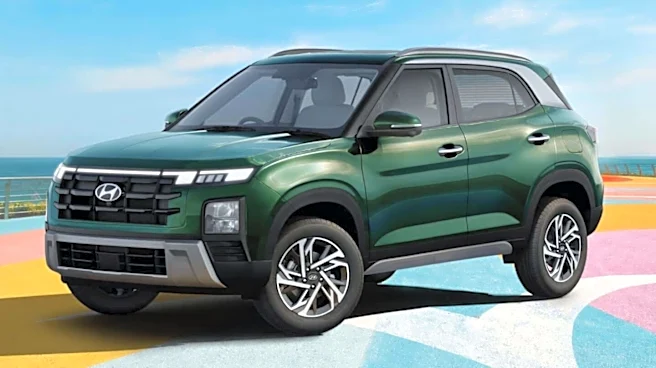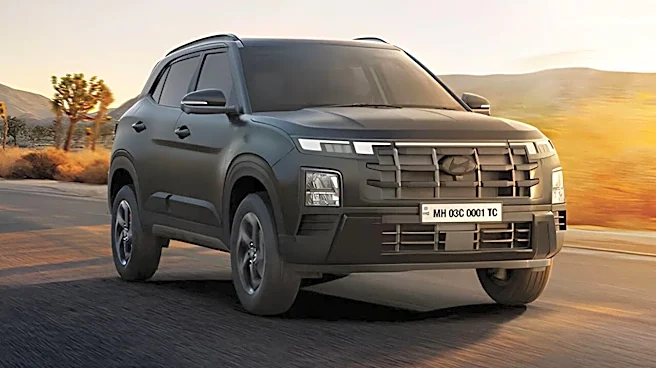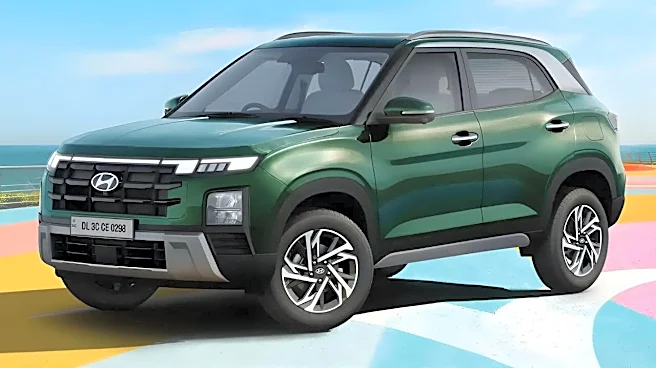

Hyundai has launched the Creta Summer Edition in India with prices starting at Rs 12.05 lakh (ex-showroom), going up to Rs 17.88 lakh (ex-showroom). The key update is simple: more features have been added to lower and mid variants, making higher-end equipment accessible at a lower price band. For Indian buyers, this directly impacts value especially in a segment where feature count often drives buying decisions as much as pricing. Read on to learn more.
Hyundai Creta Summer Edition: Variant Options And Added Features
The Hyundai Creta Summer Edition is offered across multiple trims including EX, EX(O), S(O), S(O) Knight, SX and SX Premium. It continues with both petrol and diesel options but notably skips the 1.5-litre turbo-petrol engine.
The biggest shift is at the entry level. The EX Summer Edition now gets
smart key access and push-button start, features that were previously unavailable at this price point.
Moving to the EX(O) variants, Hyundai has added a visible layer of upgrades including quad-beam LED headlamps, LED tail lamps, DRLs, rear sunshade and a rear camera with dynamic guidelines. Mid-spec S(O) and S(O) Knight variants introduce a factory-fitted dashcam which supports continuous and emergency recording.
This is a practical addition especially considering increasing demand for in-car recording in urban conditions.
Higher up, the SX Summer Edition adds a 10.25-inch digital instrument cluster along with the dashcam while the SX Premium variant brings surround view monitor, blind-spot view monitor and front parking sensors.
Overall, the update focuses on real-world usability rather than cosmetic differentiation, with most changes aimed at convenience, visibility and in-car tech.
Also Read: Hyundai Venue, Creta, Exter, i20 And More Get Discounts In April 2026
Pricing Spread and Powertrain Details Remain Unchanged
The Summer Edition spans a wide price band from Rs 12.05 lakh for the EX petrol manual to Rs 17.88 lakh for the SX Premium diesel manual. Intermediate variants cover petrol MT, IVT and diesel MT/AT combinations, giving buyers multiple configurations within the same feature upgrade structure.
Mechanically, there are no changes. The SUV continues with the 1.5-litre naturally aspirated petrol and 1.5-litre diesel engines, paired with manual, IVT and automatic gearboxes depending on the variant.
What this really means is Hyundai is using this edition to rebalance the variant lineup rather than introduce new hardware. By pushing features like LED lighting, digital displays and driver aids into more accessible trims, the brand is addressing a key buyer expectation in the mid-size SUV space: maximum perceived value without a steep price jump.