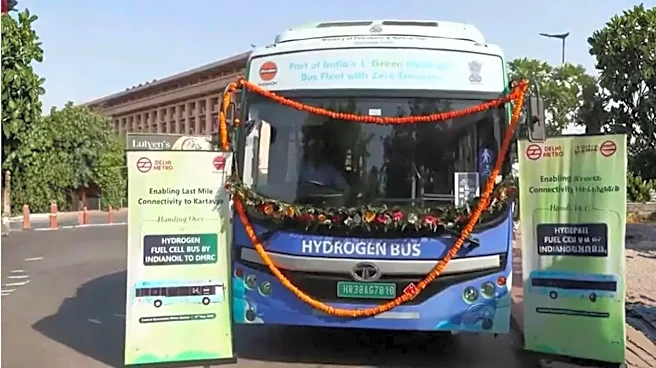



Delhi has started operating its first hydrogen-powered shuttle bus service in the Central Vista area, adding a new technology to the city’s public transport system. The hydrogen fuel-cell buses introduced by DMRC as part of a cleaner mobility initiative focused on reducing emissions and energy usage. Naturally, the bigger question now is whether hydrogen buses can eventually become a realistic replacement for the large CNG bus fleets already running across Delhi and other Indian cities. And honestly, the answer is not as straightforward as it sounds. Hydrogen buses are cleaner at the tailpipe level, but when you look beyond emissions, infrastructure and operating costs still make the comparison much more complicated.
#WATCH | Delhi Metro Rail
Corporation (DMRC), in collaboration with the Ministry of Housing & Urban Affairs and Ministry of Petroleum & Natural Gas, launched an integrated hydrogen-powered shuttle bus service in Delhi’s Central Vista area today.
Under this initiative, Indian Oil… pic.twitter.com/X1yJAJgRHU
— ANI (@ANI) May 15, 2026
Hydrogen And CNG Buses May Look Similar, But They Work Very Differently
A lot of people hear “clean fuel” and assume hydrogen buses are basically upgraded CNG buses. They’re not. CNG buses still use internal combustion engines. The fuel burns inside the engine much like petrol or diesel, just with lower emissions. That’s why CNG became popular in Delhi years ago as it helped reduce visible pollution compared to older diesel buses.
Hydrogen fuel-cell buses work differently altogether. Instead of burning fuel directly, hydrogen reacts inside a fuel-cell stack to generate electricity. That electricity then powers electric motors. The main tailpipe output is water vapour rather than conventional exhaust gases. This is why hydrogen is getting so much global attention now.
It combines some advantages of electric vehicles with faster refuelling times compared to large battery-electric buses. For commercial fleets, that matters because buses spend less time waiting at charging stations. Hydrogen buses can offer quieter operation and lower local emissions compared to CNG fleets, especially in dense urban areas where air quality remains a serious issue.
Also Read: Will EV Adoption Increase In India? Govt Approves 4,874 Charging Stations
The Real Problem Isn’t Technology - It’s Cost
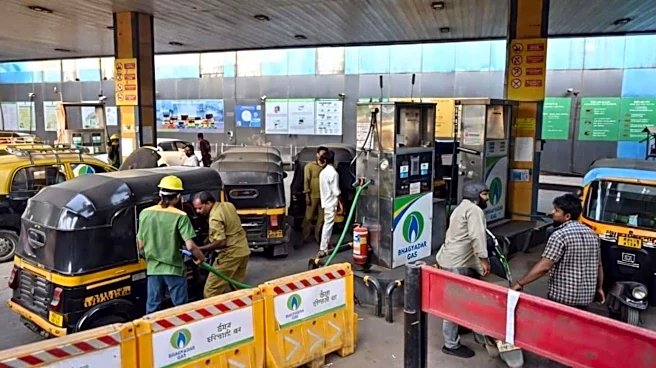
This is where hydrogen still struggles heavily against CNG. Delhi already has a massive CNG ecosystem built over years. Fuel stations exist across the city, mechanics understand the technology and fleet operators already know the running costs fairly well.
Hydrogen infrastructure barely exists in comparison. That means everything becomes expensive - the buses themselves, fuel storage systems, transport infrastructure and refuelling stations. Fuel-cell buses also cost significantly more than standard CNG buses today because the technology remains relatively limited globally.
And realistically, that’s why hydrogen buses had been appearing mainly in pilot projects rather than large-scale deployment. The government clearly wants to test whether hydrogen can work long-term for Indian public transport, especially in cities dealing with severe pollution. But replacing thousands of CNG buses would require huge investments and nationwide hydrogen supply infrastructure first.
This means CNG is not disappearing anytime soon across India. Right now, hydrogen buses feel more like a positive step towards what future public transport could eventually become: cleaner, quieter and less dependent on conventional fossil fuels, but still far from replacing existing CNG fleets at scale.
/images/ppid_59c68470-image-177899252709954866.webp)



/images/ppid_59c68470-image-177882754220670699.webp)
/images/ppid_a911dc6a-image-177881606374827962.webp)