

/images/ppid_59c68470-image-17787525303676216.webp)
/images/ppid_59c68470-image-177875253597591549.webp)
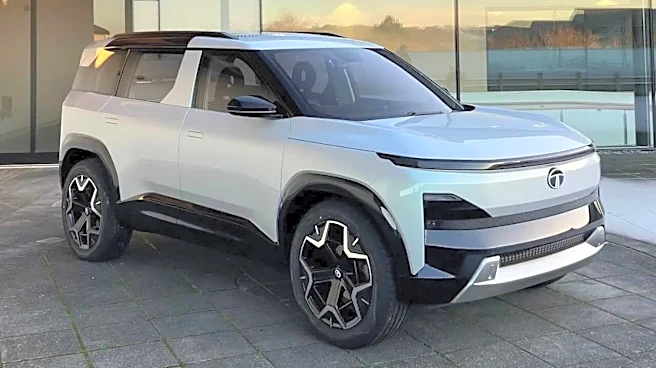
The Indian EV market is about to look quite different. In 2026, we’re moving past basic conversions to machines like the Tata Sierra EV, Tiago EV facelift and Kia Syros EV. These aren't just minor updates; they are built on new platforms with 30 kWh to 65 kWh batteries designed for serious highway travel. With the arrival of the premium Tata Avinya and Toyota Urban Cruiser Ebella, the focus is shifting toward even more range, Level 2 ADAS safety and much faster charging times, making EVs a more realistic first car for many Indian families.
Tata’s Big Move: Sierra, Tiago and Avinya
Tata Motors is doubling down on its lead. The Sierra EV is expected soon, bringing the nameplate now on a modern electric platform with a 55 kWh-65 kWh battery. For those on a tighter budget, a facelifted Tiago
EV is coming, likely getting a range boost via a 30 kWh battery. Meanwhile, the Tata Avinya will sit at the top of the range. Using the global EMA architecture, it’s being built as a high-end electric vehicle meant to compete with luxury brands in both performance and cabin tech.
New Rivals: Kia Syros EV and Toyota Ebella
Kia is getting ready to launch the Syros EV in 2026, an SUV that will likely pack a 42 kWh to 49 kWh battery. It’s designed to sit right in that sweet spot between entry-level cars and luxury SUVs. Toyota is also joining the race with the Urban Cruiser Ebella. Sharing its DNA with the Maruti Suzuki e Vitara, this model is expected late in 2026. It’s a significant move for Toyota, focusing on high energy density and a robust cooling system to handle India’s heat.
Also Read: From MG Windsor To Tata Punch EV - 5 Best Electric Cars With Over 400 Km Range
What This Means for Buyers
The upcoming 2026 EV lineup is a technical leap forward. We’re seeing more cars with Independent Rear Suspension (IRS), which makes for a much smoother ride over broken roads. For the buyer, this means range anxiety may finally start to take a backseat and charging stops will be shorter thanks to better DC fast-charging compatibility. With estimated prices ranging from Rs 9 lakh to Rs 40 lakh, these cars can become direct, high-tech replacements for traditional petrol and diesel vehicles.
/images/ppid_a911dc6a-image-177875362935251515.webp)







/images/ppid_59c68470-image-177875262497174306.webp)



/images/ppid_59c68470-image-177875256414772642.webp)