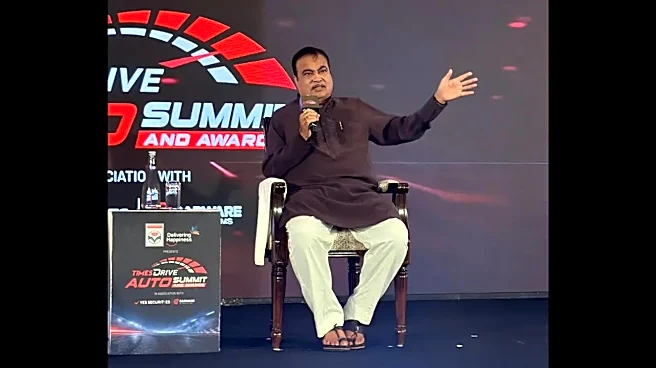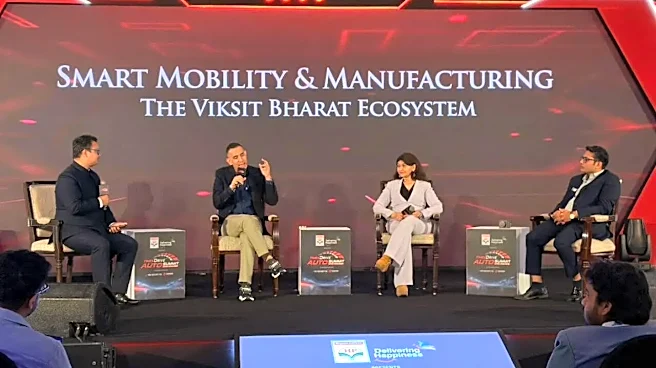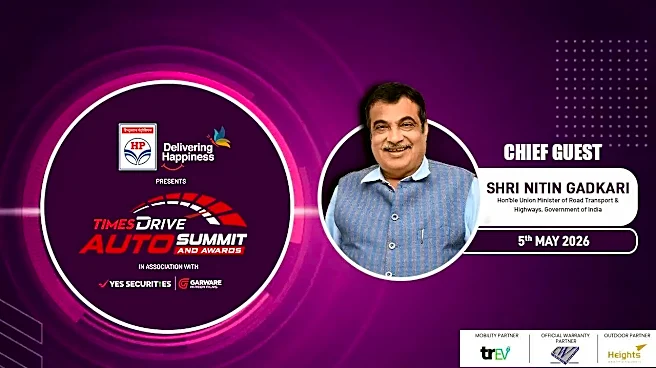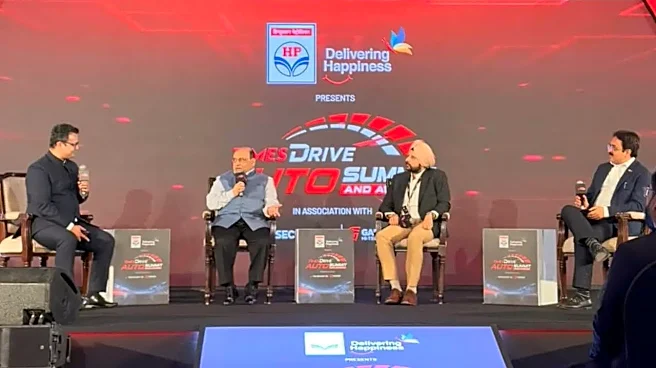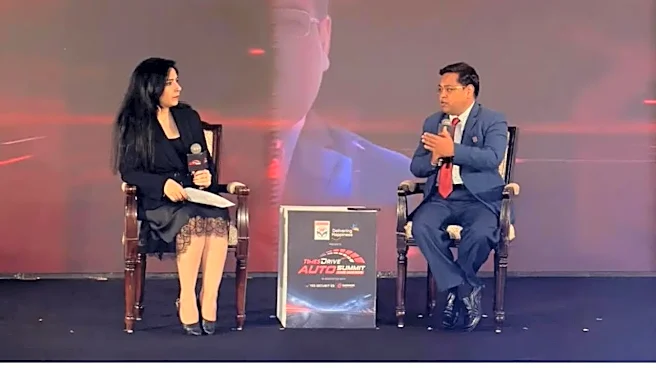

At the ongoing HPCL Times Drive Auto Summit & Awards 2026, the fireside chat on India’s Mobility 2030 roadmap brought together key perspectives on the future of mobility. Vipul K Maheshwari, Executive Director - R&D, Hindustan Petroleum Corporation Ltd., shed light on how India is currently in a “sweet spot” when it comes to mobility growth. The sector is undergoing one of its fastest transformations. He added that the revolutionary shift is driven by multiple pillars, energy, vehicles, infrastructure, and services, all evolving simultaneously. From the rapid transition from BS4 to BS6 norms within just three years to the sharp rise in ethanol blending to nearly 20%, along with the growing adoption of EVs, the industry is moving towards a cleaner,
more sustainable future, supported by strong policy backing and coordinated ecosystem efforts. Let's take a closer look at some of the key highlights from the fireside chat on India’s Mobility 2030 Roadmap.
India’s Auto Sector On A Fast-Track Transformation Phase
According to Vipul K Maheshwari, India’s mobility ecosystem is witnessing one of its fastest phases of transformation. With strong policy backing and ecosystem readiness, he noted that the real impact will become more visible in the next few years, particularly in a market dominated by two-wheelers and upward mobility trends.
Petrol, EVs, Ethanol to Coexist
Vipul emphasised that the recent surge in crude oil prices has significantly accelerated the push towards energy transition, making alternatives that were once considered uneconomical now increasingly viable. He believes the next three to four years will bring a major shift in India’s mobility and energy segment. That said, this transition won’t replace traditional fuels entirely, such as petrol and diesel, and they will continue to coexist alongside cleaner alternatives like CNG, ethanol, and compressed biogas. He also highlighted the growing momentum of electric mobility and increasing ethanol adoption, which signals towards a diversified energy mix. Overall, he stressed on the idea that the future will be defined by coexistence, where multiple fuel types and technologies will complement each other to meet India’s expanding mobility needs.
EV Ecosystem Still Evolving, Battery Dependence A Concern
According to Vipul, the shift to EVs is gaining traction, however, it will take time to become truly mainstream as the ecosystem and infrastructure are still evolving. He noted that while EVs reduce oil dependence, they could increase reliance on global battery supply chains. For true energy independence, India must focus on securing rare earth materials and building its own battery ecosystem.