
/images/ppid_a911dc6a-image-178309563908559875.webp)
/images/ppid_a911dc6a-image-178309827347021548.webp)


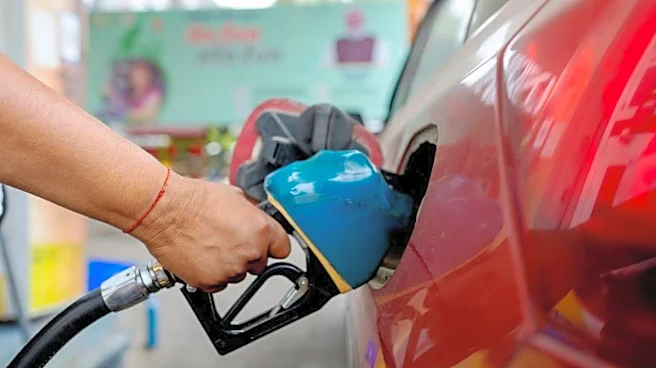
The E20 petrol is now standard at fuel pumps across India. With this, many car owners across brands such as Maruti Suzuki, Hyundai, and Tata Motors are asking a simple question: How to check if my car is E20 compliant? The best part is that making sure that whether you own an E20-compliant vehicle can be done by following a few simple steps. Here are four reliable ways to find out.
What Is E20 Fuel?
In this fuel grade, the standard petrol is mixed with 20% ethanol. E20 is considered a reliable source for lower carbon emissions. Moreover, it helps in reducing reliance on imported crude oil. Ethanol is derived primarily from organic sources like sugarcane and damaged food grains. It burns more cleanly than standard fuel, and therefore helps in cutting down tailpipe
greenhouse gas emissions.
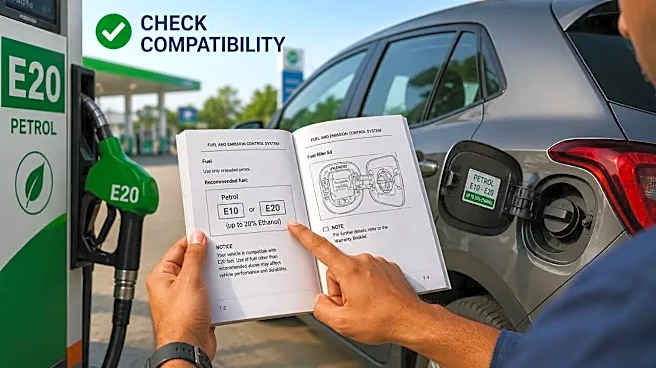
Check the Fuel Lid or Filler Cap
The fastest method to check your car's compatibility with E20 fuel is to open your fuel door and inspect the area around the filler neck. Manufacturers of E20-compliant cars typically place a stamp or sticker here that clearly reads 'E20'. If you spot it, your vehicle is factory-approved for 20% ethanol blended petrol with no further checks needed.
Read the Owner's Manual
If there's no sticker, the next step that you can do is to check the owner's manual. Turn to the 'Fuel and Lubricants' section, as this serves as one of the most dependable sources of information. Manufacturers generally specify in this section exactly which fuel grades your engine supports. It will tell you whether your car can safely use E20 compliant fuel.
Use Your VIN and Call an Authorised Service Centre
When neither the cap nor the manual gives a clear answer, note down your Vehicle Identification Number (VIN) or chassis number. You'll usually find it on the registration certificate, near the windscreen, or on the driver-side door frame. Share this with your local authorised dealer or service centre, and they can look up your exact model's factory specifications to confirm E20 compatibility.
Verify Through the Manufacturer Website
A lot of vehicle manufacturers now provide official compatibility lists and technical bulletins online. The list comprises both E20-compliant cars and E20-compliant bikes. You can also take help from Indian resources such as the Check Your Car platform to confirm your specific make and model. These sources are useful particularly for older vehicles where the physical labelling may have faded or is missing.
Why It Matters
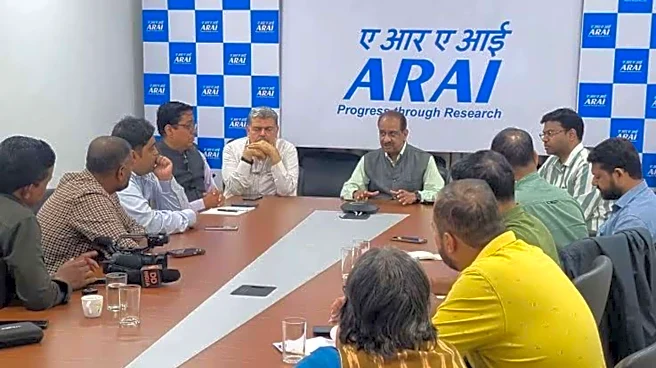
Having a clear idea about your car's status removes any kind of guesswork. E20-compliant vehicles in India are engineered to handle the higher ethanol content without issue, while older cars designed for E10 can still use the fuel, though they may need certain rubber parts replaced a little sooner. Even industry experts and officials have backed the use of E20 fuel in India.


/images/ppid_a911dc6a-image-178317104780722549.webp)
