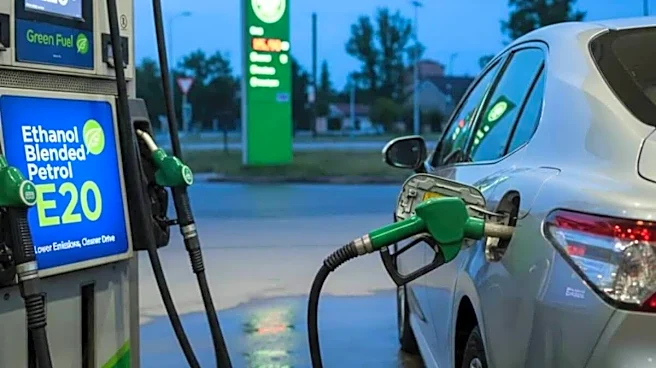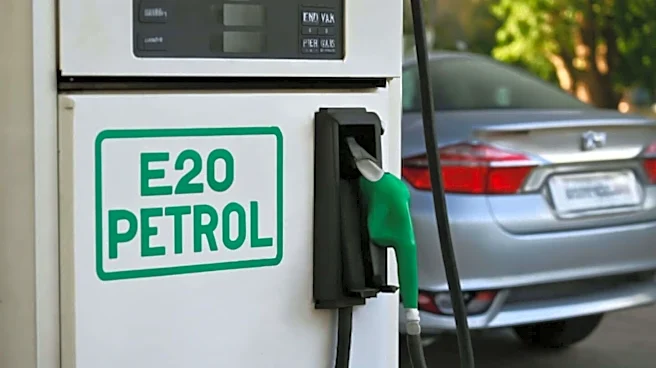


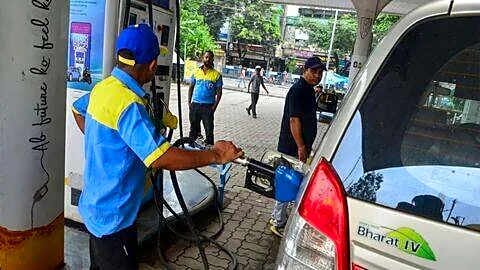

The Ministry of Information and Broadcasting has issued a fresh public defense of E20 petrol, citing zero verified cases of corrosion, fuel pump failure or abnormal engine wear among over 1.5 crore older and non-E20-certified vehicles serviced by a major manufacturer in FY26. The statement comes as online criticism of ethanol-blended petrol intensifies, with a citizen movement demanding transparency. This matters because it aims to address the two things owners actually worry about, engine damage and reduced mileage, with a specific data point. Here's what the government actually said and what it means for your next fill-up.
Does #E20 Fuel Damage Your Engine?
E20 fuel is backed by rigorous testing, real-world validation, and extensive vehicle
performance data. With no verified evidence of engine damage, corrosion, or abnormal wear linked to E20 in over 1.5 crore older vehicles serviced in FY… pic.twitter.com/n0kxE7n5W2
— Ministry of Information and Broadcasting (@MIB_India) July 27, 2026
What Did The Government Actually Say?
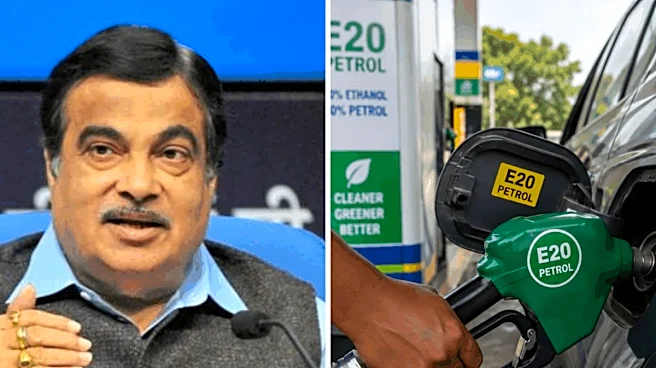
The Ministry's statement, shared as a video on social media, said the 20% ethanol blend is backed by laboratory testing, real-world validation as well as extensive automotive performance data. This follows Union minister Nitin Gadkari telling Parliament on July 23 that, per data from the Society of Indian Automobile Manufacturers, there have been no widespread reports of engine failure or vehicle breakdown attributable to ethanol blending, with most concerns instead circulating through social media commentary rather than verified complaints.
Why Has This Become A Public Dispute?
Criticism has grown loud enough that a dedicated online movement has formed specifically around E20 concerns, following momentum from an earlier, unrelated youth protest campaign. Vehicle owners online have raised concerns over reduced mileage and potential long-term wear on older engine components while the government maintains its position that no verified damage cases have been submitted despite repeated public challenges to provide evidence.
Gadkari has also acknowledged that E20 petrol may reduce fuel efficiency in some vehicles but argues the policy's broader goals including reducing India's fuel import bill and supporting farmer incomes through the ethanol economy shouldn't be judged on mileage alone.
What Should You Actually Do?
If you're unsure whether your specific vehicle is E20-compatible, checking the manufacturing date with an authorised dealer remains the most reliable way to confirm compliance, instead of assuming based on your car's age. For accurate mileage readings, the government has specifically suggested using dealer-authorised diagnostic equipment rather than manual calculations, which can be skewed by driving style, tyre pressure and traffic conditions unrelated to fuel type.