
/images/ppid_59c68470-image-177083752855419301.webp)
/images/ppid_59c68470-image-177083752668871927.webp)

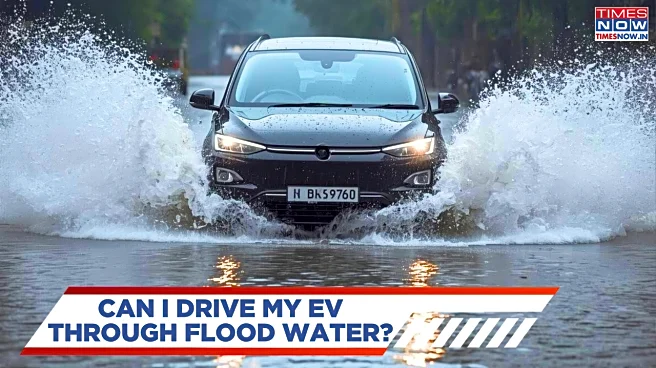
If you are a new electric vehicle (EV) owner, then you might have wondered if it is ok to drive your vehicle through waterlogged roads during the monsoon season. While the issue is common, the answer may not be as straightforward. It involves understanding the capabilities of an electric vehicle and the implications of water exposure on its operation and safety.
Electric vehicles are designed with several protective measures against water intrusion. Most EVs are built with water-resistant battery enclosures and sealed electrical systems, which can withstand exposure to wet conditions. However, driving through deep water can pose risks, especially if the water level exceeds the vehicle's ground clearance. This is crucial to consider, as water can damage
components or lead to electrical failures.
A common myth surrounding electric vehicles is that they are more susceptible to water damage than traditional petrol or diesel vehicles. In reality, EVs undergo rigorous testing to ensure they meet safety standards in various environmental conditions, including heavy rain and flooding. Battery Management Systems (BMS) comonly found in EV batteries, are designed to prevent any short circuits that can occur due to exposure to moisture. However, it is still advisable to be cautious during heavy rains, when you may come across flooded roads.
In the event you had to cross a waterlogged patch, it is essential to do a careful inspection of your electric vehicle. You should check for any signs of water ingress into the cabin or near important components such as the battery pack, power lines and electric motor. Check the electrical connections and ensure that the battery remains dry. Additionally, using features such as regenerative braking can help manage water exposure, as it allows for smoother deceleration without sudden stops that could lead to splashing.
Also Read: 5 Budget Electric Cars Best For City Use - Tata Punch EV, MG Comet And More
When encountering water-logged areas, it is important to first assess the depth of the water before proceeding to drive through it. If the water level appears too high, EV drivers should avoid driving through it altogether. In the event of unavoidable water exposure, drivers should monitor their vehicle’s performance and consult with a qualified technician for any necessary checks. Being aware of the limitations of EVs in such conditions can help prevent potential issues and ensure safe driving experiences. While an EV may not present any ill after effects after driving through a flooded patch, it is important that we do not take the vehicle for granted and always practice caution.


/images/ppid_a911dc6a-image-177084603066450478.webp)





/images/ppid_a911dc6a-image-177084257810510483.webp)
/images/ppid_a911dc6a-image-177084253417916956.webp)

/images/ppid_59c68470-image-177084004043125742.webp)

/images/ppid_a911dc6a-image-177083903258342419.webp)