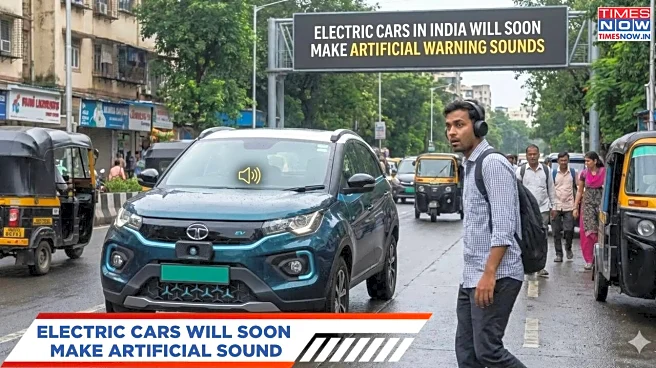




Electric cars are known for being quiet, smooth and peaceful on the road, but this silence can sometimes create safety risks, especially for pedestrians who may not hear an electric car approaching. To address this issue, the Government of India has introduced an important new rule that will make electric vehicles (EVs) safer for everyone.
The Ministry of Road Transport and Highways has officially amended the Central Motor Vehicles Rules, 1989, announcing that many electric vehicles will soon be required to have warning sounds. These sounds won’t be loud or unpleasant but will help pedestrians and cyclists know when an EV is nearby.
Also Read: 2026 Kia Seltos HTK Explained - What Does Mid Variant Offer For Rs 13.09 Lakh?
Why Was This Rule Introduced?
Traditional petrol and diesel cars make noise because of their engines, but EVs run on electric motors, so they are almost silent at low speeds. While this is great for reducing noise pollution, it can be risky in crowded areas, residential lanes or parking spaces where people may not notice a car approaching.
To prevent accidents, countries like the US, Japan and many in Europe already require EVs to have Acoustic Vehicle Alerting Systems (AVAS), and India is now joining this global safety trend.Which Vehicles Will Need This Warning System?
The rule applies to electric vehicles classified under-
- Category M: Passenger-carrying vehicles like electric cars and electric SUVs.
- Category N: Goods-carrying vehicles like electric vans and small electric trucks.
- New EV models must have AVAS from October 1, 2026.
- Existing EV models must include AVAS from October 1, 2027.
What Will the Sound Be Like?
The government hasn’t fixed a specific sound yet. Car companies usually choose a soft, futuristic noise that becomes louder as the car speeds up as the idea is to warn pedestrians without harming the peaceful nature of EVs.
The notification clearly states that only the sound requirement has changed and all other technical and design rules remain the same for EV manufacturers.
How the Rule Was Finalised?
This safety regulation didn’t come overnight. In September 2025, the government issued draft amendments and invited suggestions from automobile companies, industry bodies and the public. These drafts were shared widely and people had a chance to offer feedback. So, after reviewing all opinions, the ministry finalised the rule and announced the mandatory AVAS requirement.