


/images/ppid_59c68470-image-177083752668871927.webp)
India’s vehicle emission rules are set for a major upgrade as the Ministry of Road Transport and Highways (MoRTH) has officially notified new emission standards based on the globally recognised WLTP cycle, which will come into force from April 1, 2027. These new norms will apply to passenger vehicles (M1) and certain people carriers (M2) with a gross vehicle weight of up to 3,500 kg.
The amendment is part of changes made to the Central Motor Vehicles Rules, 1989, after the government studied feedback received from industry stakeholders, testing agencies and manufacturers.
Which Vehicles Will Be Affected?
The new WLTP-based norms will apply to all new models manufactured on or after April 1, 2027. This includes most private cars, SUVs, MPVs and
light commercial passenger vehicles sold in India today. Vehicles beyond the specified weight limit and pure electric vehicles are not covered under this rule.
What Is Changing with WLTP?
WLTP (Worldwide Harmonised Light Vehicles Test Procedure), replaces older lab-based test cycles that often failed to reflect actual on-road emissions. Under the new rules, vehicles will be tested for pollutants such as carbon monoxide (CO), hydrocarbons (HC), nitrogen oxides (NOx), particulate matter (PM) and particle number (PN) using updated testing methods. All certification and testing will follow the AIS-175 standard, which defines procedures for type approval, conformity of production and emission durability.
No Relaxation for Manufacturers
MoRTH has made it clear that there will be no relaxation in production conformity norms. Carmakers must ensure that vehicles rolling out of factories continue to meet emission limits throughout their production lifecycle, not just during initial approval.
For petrol vehicles, evaporative emissions are capped at 2.0 grams per test, and crankcase gases must not be released into the atmosphere. Manufacturers will also have to prove long-term emission durability through ageing tests or bench testing.
Also Read: Lamborghini Revuelto Safety Systems Explained - Are Supercars Dangerous For India?
Smarter Cars with On-Board Diagnostics
Another key update is the mandatory use of advanced On-Board Diagnostic (OBD) systems. These systems must detect emission-related faults and alert drivers if pollution levels cross defined limits. Performance ratios and monitoring thresholds have been clearly defined to ensure vehicles remain compliant even during real-world use.
Real-World Emission Testing Introduced
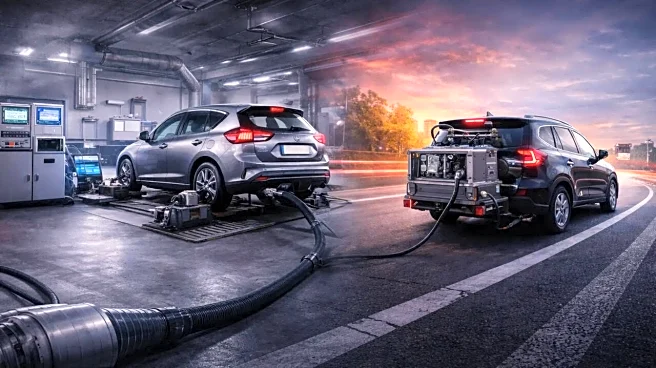
For the first time at this scale, Real Driving Emissions (RDE) testing will become part of type approval. Vehicles will be tested on public roads using portable emission measurement systems (PEMS). Specific conformity factors have been defined for pollutants like NOx and particle number, accounting for measurement variations.
Fuel Compatibility and Ethanol Blends
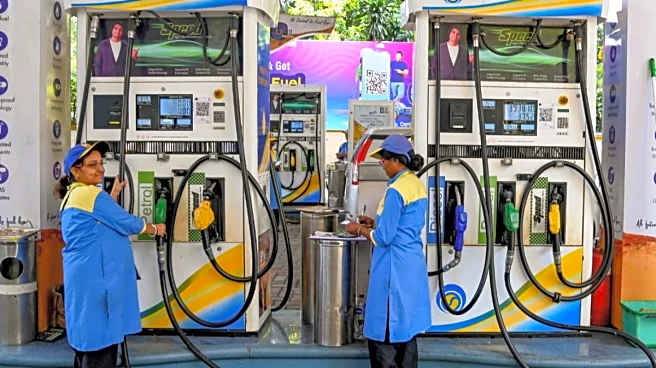
The amendment also pushes cleaner fuels. Carmakers must declare compatibility with higher ethanol blends like E85 and E100, and all petrol vehicles, including hybrids, must be certified for E20 fuel. Vehicles running on CNG, Bio-CNG or HCNG must meet updated safety standards under relevant AIS norms.
Why This Matters
For buyers, these changes mean cleaner vehicles, better transparency and more realistic mileage and emission figures. For manufacturers, it signals the need for better engine technology, stronger emission control systems and future-ready designs. With WLTP norms coming into force in 2027, India is taking a decisive step towards cleaner mobility.




/images/ppid_59c68470-image-177088252673355494.webp)