
/images/ppid_a911dc6a-image-177078730676935057.webp)
/images/ppid_59c68470-image-177071752768381969.webp)
/images/ppid_59c68470-image-177072507183228230.webp)
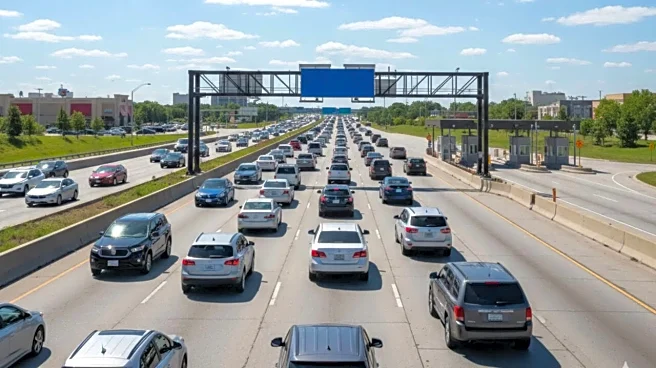
If you have ever driven onto a brand-new expressway only to exit midway because the road simply ends, you will understand the frustration. You pay a premium toll, but you don’t get the full expressway experience, which means no uninterrupted run, no time-saving, and often, a forced diversion back to regular highways, but from February 15, 2026, that is set to change.
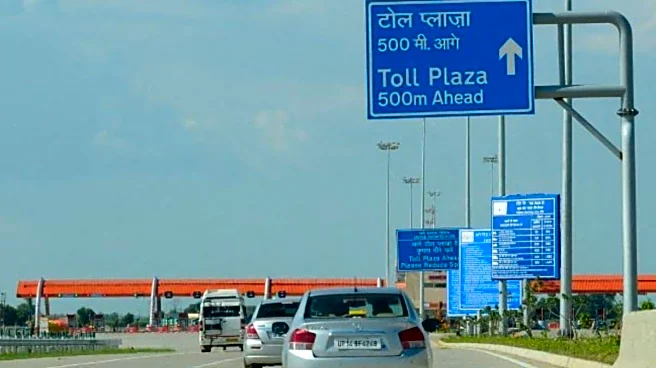
In a move that will directly benefit everyday drivers as well as commercial transporters, the Government of India has revised the toll rules for partially operational national expressways, which means if the expressway is not open from start to finish, you will no longer pay the higher expressway toll for the stretch that is usable. Instead, you will be charged at the same rate as a national highway for the distance you actually drive.What Was Happening Earlier?
Until now, even if only a portion of an expressway was open, users were paying a toll that was about 25% higher than normal national highway rates.
What Has Changed?
The government has amended the National Highways Fee (Determination of Rates and Collection) Rules, 2008, through a notification issued on February 12, 2026. The rule stated that:-
- You will pay national highway toll rates
- Only for the operational stretch you actually use
- The higher expressway toll will apply only after the entire corridor is fully open
Also Read: All You Need To Know About Tata Safari Automatic
- From Features, Price To Engine Options
Why The Government Made This Move?
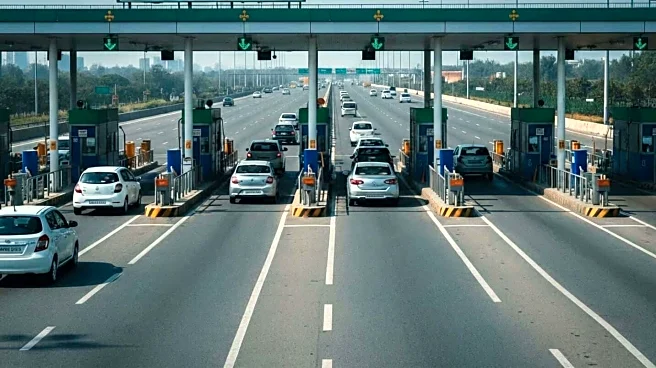
The logic is to simply encourage more people to use the completed sections, as many drivers were avoiding these half-open expressways because they did not want to pay premium tolls for a broken journey and as a result the traffic remained heavy on older highways and new infrastructure was underutilised.
By lowering the toll, the government expects better traffic distribution, faster movement of goods and less congestion on parallel routes. For truckers and logistics operators, even small toll savings across multiple trips can significantly reduce operating costs.
What This Means For Everyday Drivers?
For someone planning a long road trip or a daily intercity commute, this is a practical relief as you will now be paying for what you actually get.
It also makes newly opened expressway stretches more attractive. Even if the full corridor is not ready, the completed section will still offer better road surface, safer driving conditions and faster travel compared to older highways.
The Bigger Picture
India is in the middle of one of the largest highway and expressway expansion programs in the world, but large infrastructure takes time, and roads often open in phases. This new toll rule acknowledges that reality and sends a clear message that you shouldn’t have to pay premium prices for incomplete infrastructure.

/images/ppid_59c68470-image-177089753887696314.webp)


/images/ppid_59c68470-image-177073753137529509.webp)



/images/ppid_59c68470-image-177074755392764491.webp)
