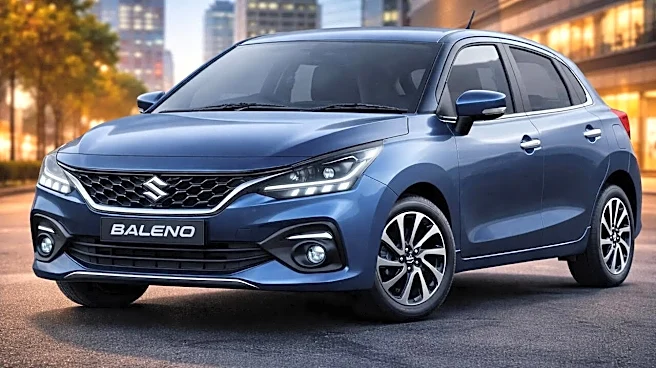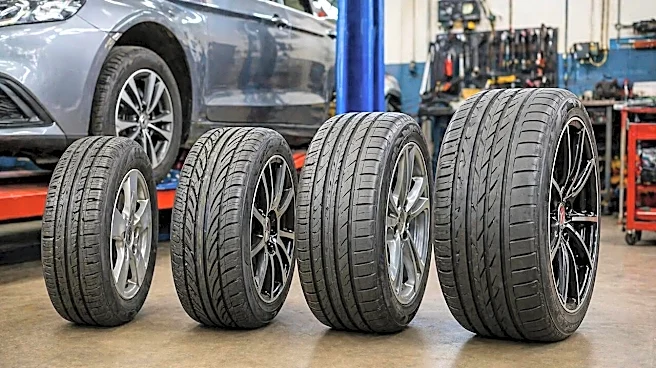

Changing car tyres to a bigger size is a common trend among car owners. Many people like the way bigger wheels make a car look more sporty and premium. But the big question is - is it actually good for your car, or does it create problems later? The answer is not a simple yes or no. It depends on how you do it and how much you change from the original size.
What Does “Bigger Tyres” Mean?
When people talk about bigger tyres, they usually mean upsizing. This can involve increasing the width of the tyre, the size of the wheel (rim), or both. Experts say that upsizing is generally safe only if you stay within 2-3% of the original tyre size recommended by the car manufacturer. Going beyond that can affect how your car behaves on the road.
Why People
Choose Bigger Tyres
The biggest reason is looks. Larger tyres fill the wheel arches better and give the car a stronger road presence. There are also some functional benefits. Wider tyres offer a larger contact area with the road, which can improve grip and stability, especially while cornering. In some cases, slightly taller tyres can also increase ground clearance, which helps on bad roads.
How Bigger Tyres Affect Performance
This is where things start to change. Fuel efficiency usually drops. Bigger tyres are heavier and create more resistance, so the engine has to work harder. This means higher fuel consumption. Acceleration becomes slower. Since the wheels are heavier, the car takes more effort to pick up speed.
Steering can feel heavier. Wider tyres increase friction with the road, making the steering slightly harder, especially at low speeds. Braking can improve slightly. Because of better grip, the car may stop faster on dry roads. However, the added weight also puts more pressure on the braking system.
Impact On Comfort And Driving Feel
Many people expect bigger tyres to improve comfort, but that’s not always true. When you increase wheel size, you usually use low-profile tyres, which have thinner sidewalls. These absorb less shock, making the ride feel stiffer and bumpier. You may also notice more road noise inside the cabin.
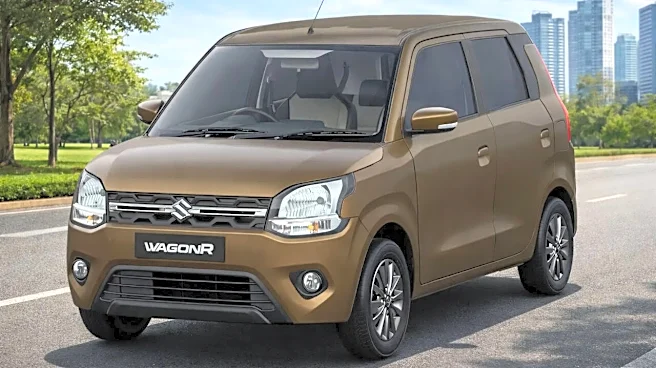
Also Read: Maruti WagonR Mid Variant Explained - What VXi AGS Offers
Hidden Problems You Should Know
There are some risks that many buyers ignore. Your speedometer may become inaccurate, showing a lower speed than actual. Larger tyres can also increase wear on suspension parts, as they add extra weight. If the size is not correct, tyres may rub against the wheel arches, especially on bumps or sharp turns. In some cases, it can even affect systems like ABS and traction control, which depend on precise wheel data.
What Should You Do?
If you are planning to upsize, follow a simple rule which says - stay close to the original tyre size and always consult a tyre expert. A common method is to increase the wheel size but use a lower-profile tyre to keep the overall diameter similar. Changing to bigger tyres is not wrong, but it is not always better either. It gives your car a better look and slightly better grip, but it also brings downsides like lower mileage, heavier steering, and extra wear.


/images/ppid_a911dc6a-image-177661256102291449.webp)