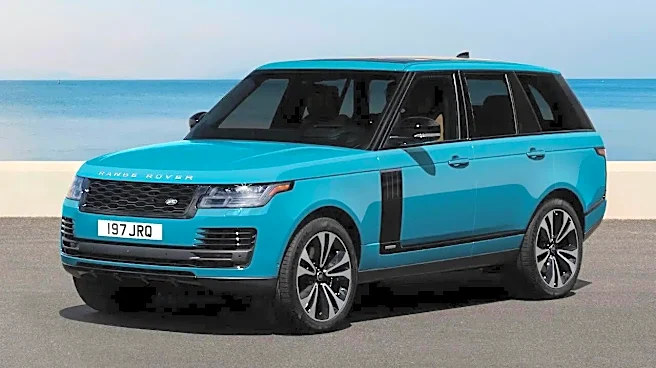



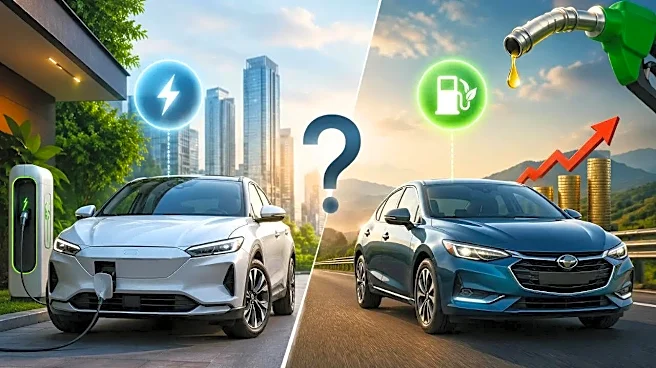
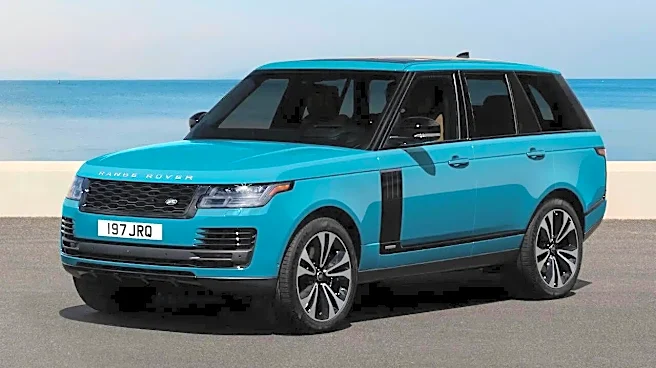
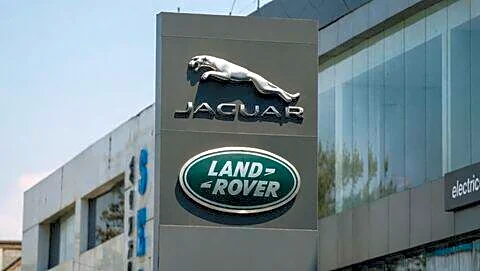
Stellantis and Jaguar Land Rover working together was not something most people in the industry expected to hear this year. One company sells everything from Jeeps and Ram trucks to Peugeots and Fiats. The other builds luxury SUVs and premium cars under Jaguar and Land Rover. Yet both have now confirmed they have signed an Memorandum of Understanding (MOU) and are exploring collaboration opportunities for future vehicle and technology development in the US market. No car has been announced yet. No platform-sharing deal has been finalised either. But the conversations themselves tell you something important: developing modern cars has become brutally expensive, even for giant manufacturers.
EVs And Software Are Changing The Economics Of Carmaking
Ten years ago, most automakers still preferred doing
everything themselves. Now the situation looks very different. Building a new vehicle today is no longer just about engines, suspension and design. Carmakers also need battery technology, software systems, connected features, driver assistance tech and increasingly complex electronics architecture. All of that costs billions.
That is where partnerships start making sense. For Stellantis, the challenge is scale. The company operates more than a dozen brands globally, including Jeep, Dodge, Chrysler, Fiat and Peugeot. Funding next-generation EV platforms and software ecosystems across that many brands puts enormous pressure on development budgets.
For Jaguar Land Rover, the issue is slightly different. JLR is much smaller in volume, but it is also trying to reinvent itself with more electric and technology-heavy products. That transition is expensive for any premium manufacturer.
So while these two companies may look completely unrelated on the surface, financially they are dealing with similar headaches.
This Is Becoming More Common Across The Industry
The surprising part is not that companies are collaborating anymore. The surprising part is who is collaborating with whom. The car industry is slowly reaching a point where even competitors are willing to share costs if it helps them survive the shift toward electrification faster.
That is why we now see manufacturers sharing EV platforms, batteries and software systems more openly than before. Developing everything independently simply does not make financial sense for many brands anymore.
The US market makes this even more important. Regulations are tightening, EV competition is growing rapidly and Chinese manufacturers are expanding aggressively in several global markets.
Also Read: Jeep Meridian Track Edition Launched In India — Check Price, Design And Features
What Happens Next?
Right now, Stellantis and JLR are only exploring possibilities. There are no confirmed products, launch dates or technical details yet. But even at this stage, the discussions matter because they show how quickly the automotive industry is changing behind the scenes. A few years ago, partnerships like this would have looked strange. Today, they are starting to look practical.
/images/ppid_59c68470-image-177934507967729909.webp)


/images/ppid_59c68470-image-177925252148696610.webp)
/images/ppid_59c68470-image-177917003685599337.webp)


/images/ppid_a911dc6a-image-17791592287636658.webp)
