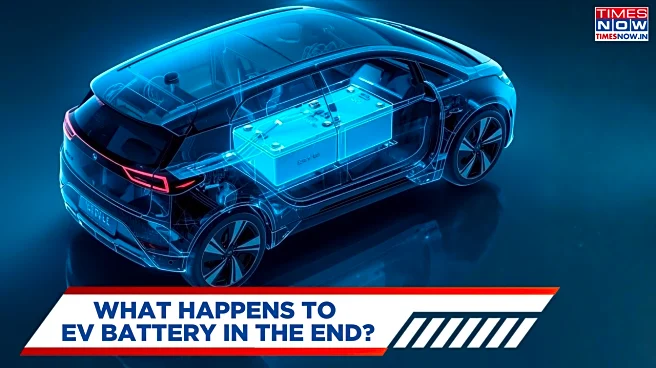




As early electric vehicle (EV) adopters in India, one might be curious to know what happens to their EV's battery pack once they have reached their end-of-life. Understanding the lifecycle of these batteries is essential for promoting sustainability and addressing environmental concerns associated with their disposal.
When an EV battery reaches the end of its operational life, it can undergo several processes. Primarily, recycling plays a vital role in managing these batteries. The recycling process involves extracting rare earth materials such as lithium, cobalt, and nickel from the packs, which can be reused to produce new batteries. This not only reduces the need for raw material extraction but also minimizes the environmental impact of battery manufacturing.
In addition to recycling, repurposing EV battery packs has also increased in popularity. Many companies are exploring ways to extend the life of EV batteries by repurposing them for secondary applications. For instance, used EV batteries can be transformed into energy storage systems for homes or businesses, allowing for the storage of renewable energy. This practice enhances sustainability and supports the growing demand for clean energy solutions.
Recycling and repurposing of EV batteries are important for increasing the sustainability of electric vehicles. It also helps in reducing the country's dependence on rare earth materials from other nations and increases our energy independence. However, unlike daily-use smart devices, an EV battery is unlikely to show any signs of ageing for a prolonged time. They are capable of serving as a viable energy source for EVs during their first, second and even third ownership. The same is reflected in the extended warranties that manufacturers are offering with new EV models.
Also Read: How To Check And Pay E-Challan In Bengaluru Online?
As the EV market matures, understanding what happens to EV batteries after end-of-life will be crucial for maintaining environmental integrity and promoting sustainability. By focusing on recycling, repurposing, and developing robust infrastructure, the industry can effectively address the challenges posed by battery disposal and foster a greener future for electric mobility.
The transition towards electric vehicles is not just about adopting new technology. It is also about ensuring that the entire lifecycle of the vehicles, including its battery, is managed responsibly.









/images/ppid_59c68470-image-177046002614398790.webp)