








What is the story about?

Electric vehicles (EVs) are no longer a niche choice in India. With rising fuel prices, government push, and a growing number of models, EVs are becoming
a practical option for many buyers. But buying one is very different from choosing a petrol or diesel car. From charging to battery life, there are several factors you must understand before making the switch. Here’s a complete, easy-to-understand guide that answers the most common questions Indian buyers search for before buying an EV.
Why EVs are gaining popularity in India
The biggest reason is cost savings. EVs are significantly cheaper to run compared to petrol cars. On average, an electric car costs around Rs 1 to Rs 1.5 per kilometre to run, while petrol cars can cost over Rs 6 per kilometre in city conditions. Apart from that, EVs offer smoother driving, lower maintenance, and zero tailpipe emissions. India’s EV market is also growing rapidly, with dozens of new models now available across price ranges.

How much does an EV cost in India?
EV prices vary widely depending on the segment. Entry-level electric cars start at around Rs 9–10 lakh, while premium EVs can go up to several crores. However, one important thing to remember is that EVs still tend to have a higher upfront cost—often 15–20 percent more than comparable petrol cars.
That said, lower running costs and government incentives often help offset this difference over time.
Running cost vs petrol cars: Is it really cheaper?
Yes, and this is where EVs shine the most.
Home charging cost: Roughly Rs 0.9 to Rs 1.5 per km
Petrol cost: Rs 6 or more per km in cities
Monthly savings (1,000 km usage): Up to Rs 5,000–Rs 6,000
In simple terms, if you drive regularly, an EV can save you Rs 60,000 or more every year just on fuel.
Charging: The most important factor to consider
1. Can you charge at home?
This is the biggest question before buying an EV.
- Most EV owners in India rely on home charging
- Charging overnight is the most convenient and cheapest option
- Installation cost for a home charger can range from Rs 35,000 to Rs 1 lakh
If you live in an apartment, check whether your society allows charger installation.
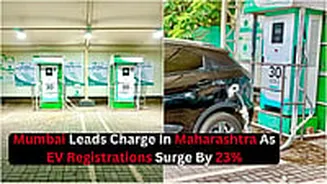
2. What about public charging stations?
India’s charging network is growing, but it is still developing.
- EV-to-charger ratio remains relatively low
- Public fast charging costs around Rs 20 per kWh on average
- Charging infrastructure is better in metro cities than smaller towns
For daily city use, this is manageable. For long trips, planning becomes essential.
Driving range: How much is enough?
Most modern EVs in India offer:
- 250–350 km range (entry-level models)
- 400–600+ km range (premium models)
Your ideal range depends on your usage:
- Daily city commute: 250–300 km is sufficient
- Frequent highway driving: go for 400 km or more
Always remember: real-world range is usually lower than claimed figures.

Charging time: How long does it take?
Charging time depends on the charger type:
Home charging (slow): 6–10 hours
Fast charging: 30–60 minutes (for 20–80 percent)
Fast chargers are useful for highways and emergencies, but most users rely on overnight home charging.
Battery life and replacement cost
The battery is the most expensive part of an EV.
- Most EV batteries last 8–10 years
- Manufacturers typically offer 8-year warranties
- Replacement costs can be high, though prices are gradually falling
The good news: EVs have fewer moving parts, so maintenance is much lower than petrol cars.
Government incentives and policies
India offers multiple incentives to encourage EV adoption:
- Subsidies under central and state schemes
- Reduced or zero road tax in many states
- Lower registration costs
The government is also pushing for large-scale charging infrastructure expansion.
Hidden costs most buyers overlook
While EVs are cheaper to run, there are some additional costs:
- Home charger installation
- Potential electrical upgrades at home
- Slightly higher insurance premiums
- Battery replacement (long term)
These are not deal-breakers, but they should be factored into your budget.
Are EVs practical for everyone?
Not necessarily. EVs work best if:
- You drive mostly within the city
- You have access to home or office charging
- Your daily usage is predictable
They may be less ideal if:
- You frequently take long highway trips
- You live in areas with poor charging infrastructure
Frequently asked questions
1. Is it worth buying an EV in India now?
Yes, especially for city users. Lower running costs and improving infrastructure make EVs a smart long-term choice.
2. What is the biggest problem with EVs in India?
Charging infrastructure is still developing, particularly outside major cities.
3. How much does it cost to charge an EV fully?
Typically Rs 240–Rs 300 at home and up to Rs 800 at fast chargers depending on battery size.
4. Do EVs work in rain and waterlogged roads?
Yes, modern EVs are designed with proper insulation and are safe in normal water conditions.
Should you make the switch?
Buying an EV in India today is less about trend and more about suitability. If your lifestyle aligns—daily commuting, access to charging, and limited long-distance driving—an EV can be one of the smartest financial and environmental decisions you make. However, going electric without planning can lead to frustration. Do your homework, understand your usage, and choose wisely—because an EV is not just a car, it is a different way of driving.