



What is the story about?
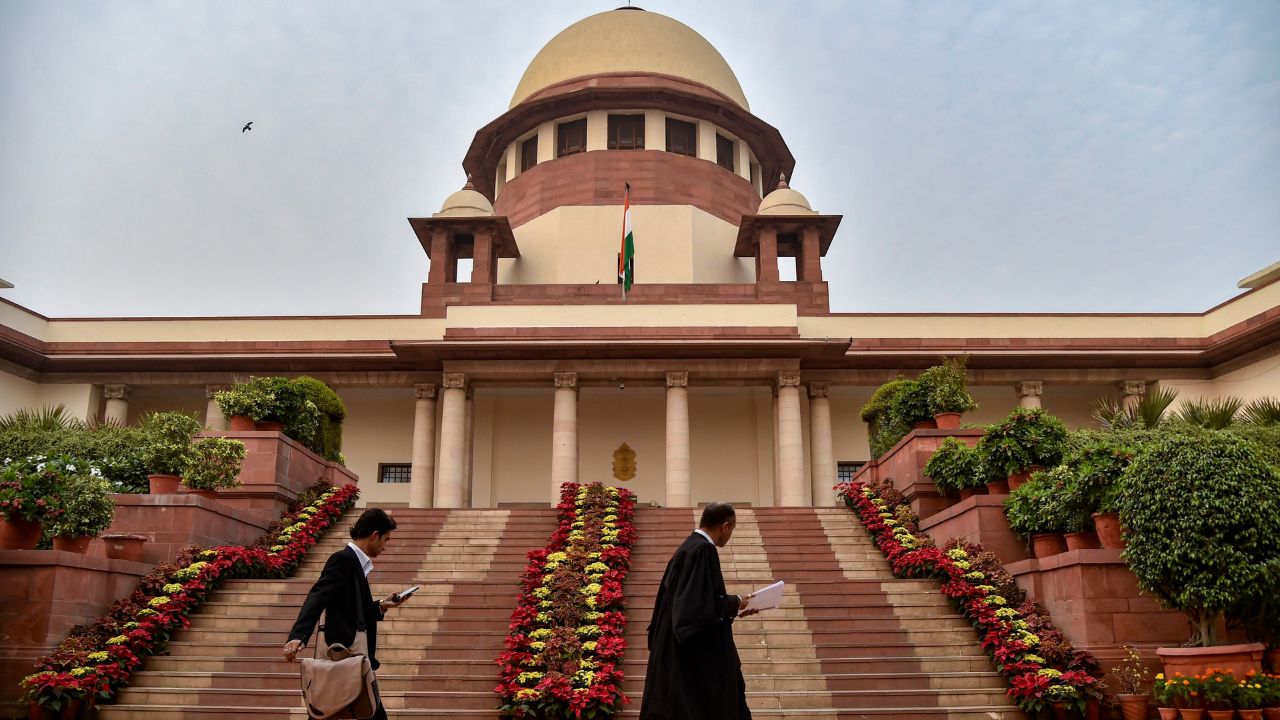
The Supreme Court, on Wednesday, modified its earlier order and allowed action against end-of-life vehicles in Delhi-NCR that meet emission standards below BS-IV.
The court further clarified that protection from coercive action will apply only to BS-IV and newer vehicles, even if they are more than 10 years old in the case of diesel vehicles or more than 15 years old in the case of petrol vehicles.
A bench comprising Chief Justice of India Surya Kant, Justice Joymalya Bagchi, and Justice Vipul Pancholi passed the order while modifying its August 12 direction, which had barred coercive action against all diesel vehicles older than 10 years and petrol vehicles older than 15 years in the National Capital Region.
The modification came on a request by the Delhi government, which sought permission to act against older vehicles in view of the air pollution crisis in the capital.
The apex court said its August 12 order was modified to ensure that no coercive action would be taken against BS-IV and newer vehicles solely based on age, over 10 years for diesel and over 15 years for petrol vehicles. The Supreme Court thus ended protection for end-of-life vehicles in Delhi-NCR with emission standards of BS-III and below.
The court acted on the recommendation of the Commission for Air Quality Management (CAQM), which had flagged the pollution impact of older vehicles and sought a review of the August 12 order.
In 2015, the National Green Tribunal directed that diesel vehicles older than 10 years and petrol vehicles older than 15 years should not be allowed to ply in Delhi-NCR to curb pollution. The Supreme Court upheld the NGT’s direction in 2018.
In 2024, the Delhi government issued guidelines for handling end-of-life vehicles parked in public places.
The Delhi government had earlier ordered that end-of-life vehicles would not be supplied fuel at petrol pumps from July 1, 2025, but the decision was later put on hold following public backlash.
Subsequently, the Delhi government approached the Supreme Court seeking modification of the vehicle age-based ban, leading to the August 12 order granting protection from coercive action irrespective of emission standards.
The court further clarified that protection from coercive action will apply only to BS-IV and newer vehicles, even if they are more than 10 years old in the case of diesel vehicles or more than 15 years old in the case of petrol vehicles.
A bench comprising Chief Justice of India Surya Kant, Justice Joymalya Bagchi, and Justice Vipul Pancholi passed the order while modifying its August 12 direction, which had barred coercive action against all diesel vehicles older than 10 years and petrol vehicles older than 15 years in the National Capital Region.
The modification came on a request by the Delhi government, which sought permission to act against older vehicles in view of the air pollution crisis in the capital.
The apex court said its August 12 order was modified to ensure that no coercive action would be taken against BS-IV and newer vehicles solely based on age, over 10 years for diesel and over 15 years for petrol vehicles. The Supreme Court thus ended protection for end-of-life vehicles in Delhi-NCR with emission standards of BS-III and below.
The court acted on the recommendation of the Commission for Air Quality Management (CAQM), which had flagged the pollution impact of older vehicles and sought a review of the August 12 order.
In 2015, the National Green Tribunal directed that diesel vehicles older than 10 years and petrol vehicles older than 15 years should not be allowed to ply in Delhi-NCR to curb pollution. The Supreme Court upheld the NGT’s direction in 2018.
In 2024, the Delhi government issued guidelines for handling end-of-life vehicles parked in public places.
The Delhi government had earlier ordered that end-of-life vehicles would not be supplied fuel at petrol pumps from July 1, 2025, but the decision was later put on hold following public backlash.
Subsequently, the Delhi government approached the Supreme Court seeking modification of the vehicle age-based ban, leading to the August 12 order granting protection from coercive action irrespective of emission standards.