







What is the story about?
Electric vehicles (EVs) in Karnataka are set to become costlier as the state government moves to withdraw its blanket road tax exemption for battery-operated vehicles, including cars, jeeps, omni buses and private service vehicles running on electricity. Electric two-wheelers are not included in this change.
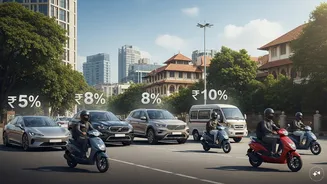
Under the Karnataka Motor Vehicles Taxation (Amendment) Bill, 2026, lifetime tax at the time of registration will now be linked to the cost of the vehicle. EVs priced up to ₹10 lakh will attract a 5% tax. Vehicles priced between ₹10 lakh and ₹25 lakh will be taxed at 8%. EVs priced above ₹25 lakh will attract 10%.
Since 2024, Karnataka had imposed lifetime tax only on EVs priced above ₹25 lakh, while lower-priced EVs remained exempt. The rollback reverses a nearly decade-long policy. In March 2016, Karnataka had fully exempted EVs from road tax to promote adoption.
Karnataka transport secretary NV Prasad said the bill has been passed by the legislature and will come into force after the Governor’s assent. “It will be notified once the assent is obtained,” he said.
Impact on buyers and EV adoption
Officials said EV taxation will still remain lower than internal combustion engine (ICE) vehicles, although EVs continue to have a higher upfront cost. A transport department official said EV sales have reached a threshold and exemptions cannot continue indefinitely. There were plans to impose lifetime tax on all electric cars in 2024, but the move was limited to vehicles priced above ₹25 lakh after opposition.
Karnataka is the fourth-largest vehicle market in India after Uttar Pradesh, Maharashtra and Tamil Nadu in terms of registrations. Most states offer tax exemptions or concessions for EVs, though some states such as Gujarat and Kerala levy taxes.
Industry stakeholders and prospective buyers have raised concerns that higher upfront costs could slow EV adoption and affect the state’s EV growth.
Motor vehicle tax is a major revenue source for the state. Karnataka already levies one of the highest road taxes in the country, ranging between 13% and 18% for ICE vehicles. ICE cars are taxed at 13% for vehicles up to ₹5 lakh, 14% for ₹5–10 lakh, 17% for ₹10–20 lakh, and 18% for vehicles above ₹20 lakh. Two-wheelers attract between 10% and 14% tax.
Transport minister Ramalinga Reddy said the proposed tax will help raise revenue. “The state expects to generate ₹259 crore. The measure is intended to mobilise additional funds,” he said.
EV adoption remains lower than that of conventional vehicles. In Bengaluru, EVs account for about 4.1 lakh of over 1.2 crore vehicles as of February 2026. Two-wheelers dominate with 3.2 lakh units, while electric cars number 37,365. In February alone, 9,250 EVs were registered, including nearly 6,900 two-wheelers and 991 cars.
EVs formed 6.4% of total vehicle sales in calendar year 2025. Karnataka accounts for about 12% of India’s EV volumes (excluding Telangana), indicating the state’s role in the electric vehicle market.
Lower taxes for bus operators
The amendment also proposes a reduction in per-seat tax for contract carriage buses and sleeper coaches to encourage operators to register vehicles in Karnataka. Contract carriage vehicles with more than 12 seats will be taxed at ₹2,500 per seat, down from ₹3,500. Sleeper coaches will attract ₹3,000 per berth compared to the earlier ₹4,000.
Officials said several bus operators prefer registering vehicles in lower-tax jurisdictions such as Puducherry and some northeastern states.
EV city planned near Bengaluru
Separately, Karnataka is planning a dedicated electric vehicle city spread across nearly 80 acres near Bengaluru. The hub will bring testing, research and development into one campus to help companies develop electric vehicles.
The government is considering land within a 100-kilometre radius of Bengaluru, including Tumakuru, Ramanagara and Chikkaballapur. Officials say large testing tracks and labs cannot be built inside Bengaluru due to space constraints.
A meeting led by Karnataka IT-BT Minister Priyank Kharge included more than 30 electric vehicle companies, including manufacturers, battery firms and startups. An industry group will prepare suggestions on how the EV city should be built, including testing, certification and production facilities.
The EV city will include test tracks, charging stations, research labs, certification centres, urban road simulation areas and hill-testing zones, along with safety testing facilities, including ADAS validation zones. A Centre of Excellence for EVs and batteries and a training academy will also be part of the campus.
The government plans to offer shared facilities on a pay-as-you-use basis, so smaller companies can access testing equipment. Partnerships with agencies such as the Automotive Research Association of India and the International Centre for Automotive Technology are expected to speed up certification and reduce dependence on testing centres in other states.
Karnataka currently has the highest number of EV startups in India and nearly 5,400 public charging stations. Around 20% of all EVs sold in India come from Karnataka. Officials believe the EV city could attract more investors, researchers and technology partners and support the state’s electric mobility sector.
Under the Karnataka Motor Vehicles Taxation (Amendment) Bill, 2026, lifetime tax at the time of registration will now be linked to the cost of the vehicle. EVs priced up to ₹10 lakh will attract a 5% tax. Vehicles priced between ₹10 lakh and ₹25 lakh will be taxed at 8%. EVs priced above ₹25 lakh will attract 10%.
Since 2024, Karnataka had imposed lifetime tax only on EVs priced above ₹25 lakh, while lower-priced EVs remained exempt. The rollback reverses a nearly decade-long policy. In March 2016, Karnataka had fully exempted EVs from road tax to promote adoption.
Karnataka transport secretary NV Prasad said the bill has been passed by the legislature and will come into force after the Governor’s assent. “It will be notified once the assent is obtained,” he said.
Impact on buyers and EV adoption
Officials said EV taxation will still remain lower than internal combustion engine (ICE) vehicles, although EVs continue to have a higher upfront cost. A transport department official said EV sales have reached a threshold and exemptions cannot continue indefinitely. There were plans to impose lifetime tax on all electric cars in 2024, but the move was limited to vehicles priced above ₹25 lakh after opposition.
Karnataka is the fourth-largest vehicle market in India after Uttar Pradesh, Maharashtra and Tamil Nadu in terms of registrations. Most states offer tax exemptions or concessions for EVs, though some states such as Gujarat and Kerala levy taxes.
Industry stakeholders and prospective buyers have raised concerns that higher upfront costs could slow EV adoption and affect the state’s EV growth.
Motor vehicle tax is a major revenue source for the state. Karnataka already levies one of the highest road taxes in the country, ranging between 13% and 18% for ICE vehicles. ICE cars are taxed at 13% for vehicles up to ₹5 lakh, 14% for ₹5–10 lakh, 17% for ₹10–20 lakh, and 18% for vehicles above ₹20 lakh. Two-wheelers attract between 10% and 14% tax.
Transport minister Ramalinga Reddy said the proposed tax will help raise revenue. “The state expects to generate ₹259 crore. The measure is intended to mobilise additional funds,” he said.
EV adoption remains lower than that of conventional vehicles. In Bengaluru, EVs account for about 4.1 lakh of over 1.2 crore vehicles as of February 2026. Two-wheelers dominate with 3.2 lakh units, while electric cars number 37,365. In February alone, 9,250 EVs were registered, including nearly 6,900 two-wheelers and 991 cars.
EVs formed 6.4% of total vehicle sales in calendar year 2025. Karnataka accounts for about 12% of India’s EV volumes (excluding Telangana), indicating the state’s role in the electric vehicle market.
Lower taxes for bus operators
The amendment also proposes a reduction in per-seat tax for contract carriage buses and sleeper coaches to encourage operators to register vehicles in Karnataka. Contract carriage vehicles with more than 12 seats will be taxed at ₹2,500 per seat, down from ₹3,500. Sleeper coaches will attract ₹3,000 per berth compared to the earlier ₹4,000.
Officials said several bus operators prefer registering vehicles in lower-tax jurisdictions such as Puducherry and some northeastern states.
EV city planned near Bengaluru
Separately, Karnataka is planning a dedicated electric vehicle city spread across nearly 80 acres near Bengaluru. The hub will bring testing, research and development into one campus to help companies develop electric vehicles.
The government is considering land within a 100-kilometre radius of Bengaluru, including Tumakuru, Ramanagara and Chikkaballapur. Officials say large testing tracks and labs cannot be built inside Bengaluru due to space constraints.
A meeting led by Karnataka IT-BT Minister Priyank Kharge included more than 30 electric vehicle companies, including manufacturers, battery firms and startups. An industry group will prepare suggestions on how the EV city should be built, including testing, certification and production facilities.
The EV city will include test tracks, charging stations, research labs, certification centres, urban road simulation areas and hill-testing zones, along with safety testing facilities, including ADAS validation zones. A Centre of Excellence for EVs and batteries and a training academy will also be part of the campus.
The government plans to offer shared facilities on a pay-as-you-use basis, so smaller companies can access testing equipment. Partnerships with agencies such as the Automotive Research Association of India and the International Centre for Automotive Technology are expected to speed up certification and reduce dependence on testing centres in other states.
Karnataka currently has the highest number of EV startups in India and nearly 5,400 public charging stations. Around 20% of all EVs sold in India come from Karnataka. Officials believe the EV city could attract more investors, researchers and technology partners and support the state’s electric mobility sector.