






What is the story about?
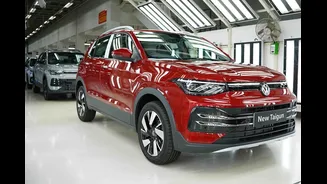
Volkswagen will launch the Taigun facelift on April 9, 2026, with prices to be announced the same day. Production of the updated SUV has already begun at the Škoda Auto Volkswagen India Private Limited (SAVWIPL) plant in Pune, and bookings are expected to open shortly after the announcement.
This is the first major update for the Taigun since its debut in late 2021. The launch follows closely after the Skoda Kushaq facelift, with which it shares its platform and mechanicals.
The current Taigun is priced between ₹10.99 lakh and ₹19.99 lakh (ex-showroom), and only a marginal increase is expected with the facelift.
Exterior design updated
The overall silhouette remains unchanged, including the upright stance, flat bonnet and strong shoulder line. Updates are limited to design elements.
The front gets revised LED headlamps with a new DRL signature, a slimmer grille with a full-width LED light bar, and an illuminated Volkswagen logo. The bumpers are reworked with darker inserts and faux skid plates.
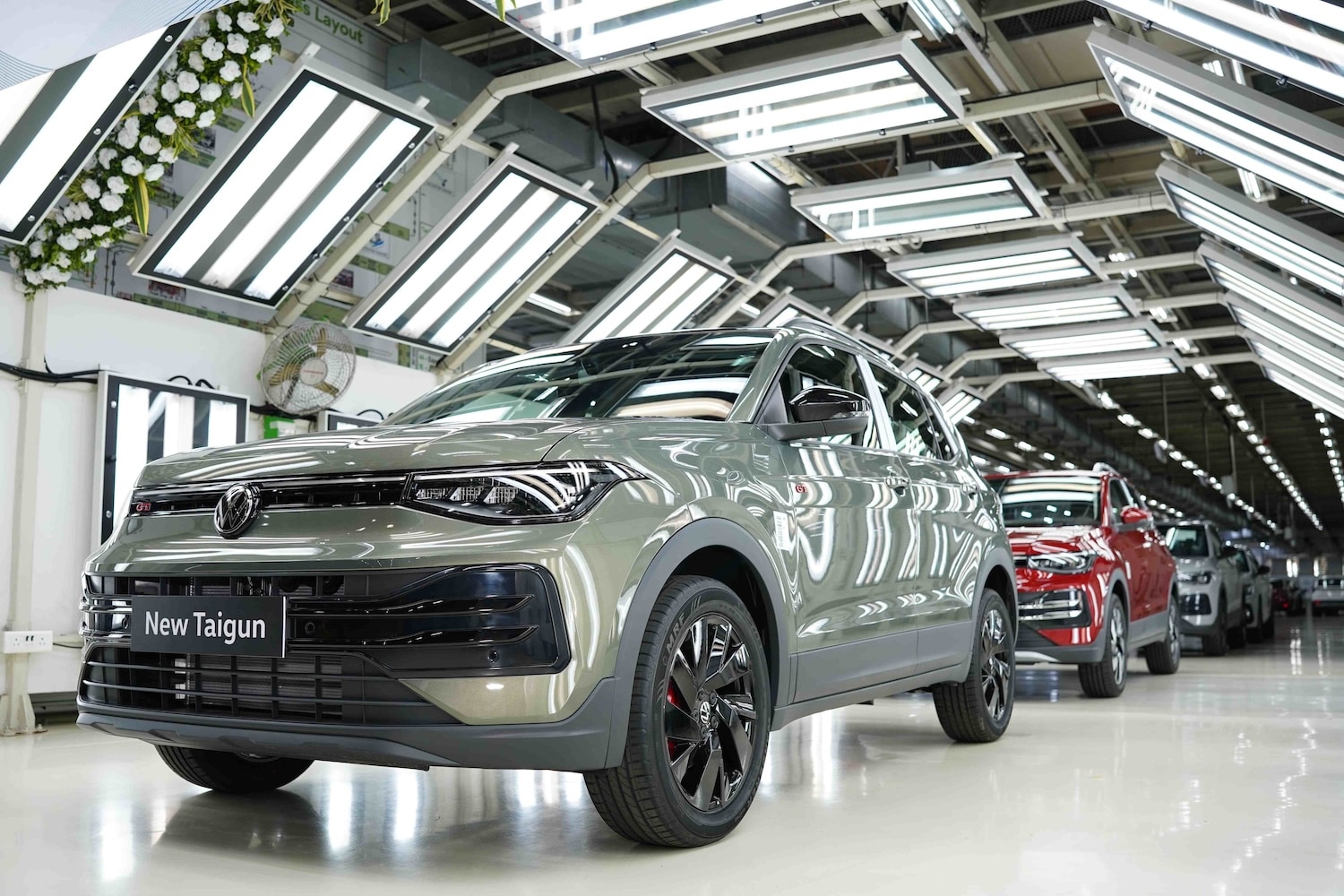
At the rear, the SUV features updated connected LED tail lamps and an illuminated logo, along with a mildly revised bumper. New alloy wheels have been introduced, while side elements such as chrome door handles, roof rails and body creases continue unchanged.
The updated styling aligns it with Volkswagen’s newer SUVs, such as the Volkswagen Tiguan R-Line and Volkswagen Tayron R-Line.
Cabin gains new features
The cabin layout remains largely the same, but feature additions are expected.
The facelifted model is likely to offer a 10.25-inch digital instrument cluster with navigation integration and a 10.1-inch touchscreen infotainment system. A panoramic sunroof and a rear seat massaging function are also expected. Ventilated and powered front seats may be offered.
Volkswagen may introduce a Google-based AI companion app, although details are not yet known. Updates to upholstery, trims and interior colour schemes are also likely.
Existing features such as automatic climate control, wireless charging, and wireless Android Auto and Apple CarPlay are expected to continue.
Safety equipment is likely unchanged. The SUV is expected to retain six airbags, electronic stability control, hill start assist, tyre pressure monitoring system, front and rear parking sensors, a rear view camera and all-wheel disc brakes. It remains unclear if ADAS or a 360-degree camera will be added.
Engine options retained
The Taigun facelift is expected to continue with its existing turbo-petrol engines.
The 1.0-litre TSI unit produces 114–115 PS and 178 Nm of torque. The 1.5-litre TSI engine delivers 148–150 PS and 250 Nm.
Transmission options are expected to include a 6-speed manual and a 7-speed dual-clutch automatic for the 1.5-litre engine. A key change could be the introduction of an 8-speed torque converter automatic for the 1.0-litre variant, replacing the current 6-speed unit, similar to the setup seen on the Kushaq.
Price and rivals
Prices for the facelifted Taigun are expected to range between ₹11 lakh and ₹19 lakh (ex-showroom).
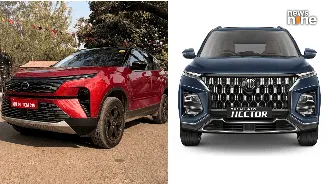
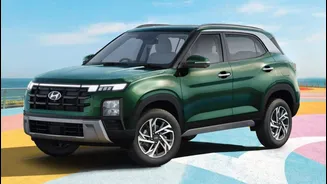
Once launched, it will continue to rival the Hyundai Creta, Kia Seltos, Renault Duster, Tata Sierra, Maruti Grand Vitara, Toyota Urban Cruiser Hyryder, Skoda Kushaq, Honda Elevate, Citroen Aircross and MG Astor.
This is the first major update for the Taigun since its debut in late 2021. The launch follows closely after the Skoda Kushaq facelift, with which it shares its platform and mechanicals.
The current Taigun is priced between ₹10.99 lakh and ₹19.99 lakh (ex-showroom), and only a marginal increase is expected with the facelift.
Exterior design updated
The overall silhouette remains unchanged, including the upright stance, flat bonnet and strong shoulder line. Updates are limited to design elements.
The front gets revised LED headlamps with a new DRL signature, a slimmer grille with a full-width LED light bar, and an illuminated Volkswagen logo. The bumpers are reworked with darker inserts and faux skid plates.
2026 Volkswagen Taigun facelift
At the rear, the SUV features updated connected LED tail lamps and an illuminated logo, along with a mildly revised bumper. New alloy wheels have been introduced, while side elements such as chrome door handles, roof rails and body creases continue unchanged.
The updated styling aligns it with Volkswagen’s newer SUVs, such as the Volkswagen Tiguan R-Line and Volkswagen Tayron R-Line.
Cabin gains new features
The cabin layout remains largely the same, but feature additions are expected.
The facelifted model is likely to offer a 10.25-inch digital instrument cluster with navigation integration and a 10.1-inch touchscreen infotainment system. A panoramic sunroof and a rear seat massaging function are also expected. Ventilated and powered front seats may be offered.
Volkswagen may introduce a Google-based AI companion app, although details are not yet known. Updates to upholstery, trims and interior colour schemes are also likely.
Existing features such as automatic climate control, wireless charging, and wireless Android Auto and Apple CarPlay are expected to continue.
Safety equipment is likely unchanged. The SUV is expected to retain six airbags, electronic stability control, hill start assist, tyre pressure monitoring system, front and rear parking sensors, a rear view camera and all-wheel disc brakes. It remains unclear if ADAS or a 360-degree camera will be added.
Engine options retained
The Taigun facelift is expected to continue with its existing turbo-petrol engines.
The 1.0-litre TSI unit produces 114–115 PS and 178 Nm of torque. The 1.5-litre TSI engine delivers 148–150 PS and 250 Nm.
Transmission options are expected to include a 6-speed manual and a 7-speed dual-clutch automatic for the 1.5-litre engine. A key change could be the introduction of an 8-speed torque converter automatic for the 1.0-litre variant, replacing the current 6-speed unit, similar to the setup seen on the Kushaq.
Price and rivals
Prices for the facelifted Taigun are expected to range between ₹11 lakh and ₹19 lakh (ex-showroom).
Once launched, it will continue to rival the Hyundai Creta, Kia Seltos, Renault Duster, Tata Sierra, Maruti Grand Vitara, Toyota Urban Cruiser Hyryder, Skoda Kushaq, Honda Elevate, Citroen Aircross and MG Astor.