






What is the story about?
The Economic Survey 2025–26 stated that rising domestic demand, export gains and continued policy support are shaping the trajectory of India’s automobile sector, reinforcing its role in growth, manufacturing and job creation.
Backed by a large manufacturing and auto component base, the sector provides direct and indirect employment to over 30 million people and contributes nearly 15% of the country’s Goods and Services Tax (GST) collections.
Production and exports gather pace
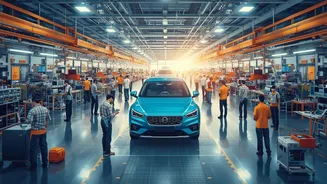
Vehicle production rose nearly 33% over the past decade, from FY15 to FY25, supported by post-pandemic demand recovery. This revival has translated into both higher output and sales, the Survey noted.
Exports have also strengthened. More than 5.3 million vehicles were shipped in FY25 across passenger, commercial, two-wheeler and three-wheeler segments. The momentum continued into FY26, with double-digit export growth recorded in the first half of the year, reflecting increasing global acceptance of India-made vehicles.
Policy push and EV manufacturing
The Production Linked Incentive (PLI) Scheme for Automobiles and Auto Components, approved in September 2021 with an outlay of ₹25,938 crore, supports Advanced Automotive Technology (AAT) vehicles and products. It has attracted cumulative investment of ₹35,657 crore and created 48,974 jobs as of September 2025.
The PLI scheme for Advanced Chemistry Cell (ACC) battery storage, with an outlay of ₹18,100 crore for 50 GWh capacity, aims to localise battery manufacturing. So far, 40 GWh capacity has been awarded, strengthening the domestic EV supply chain.
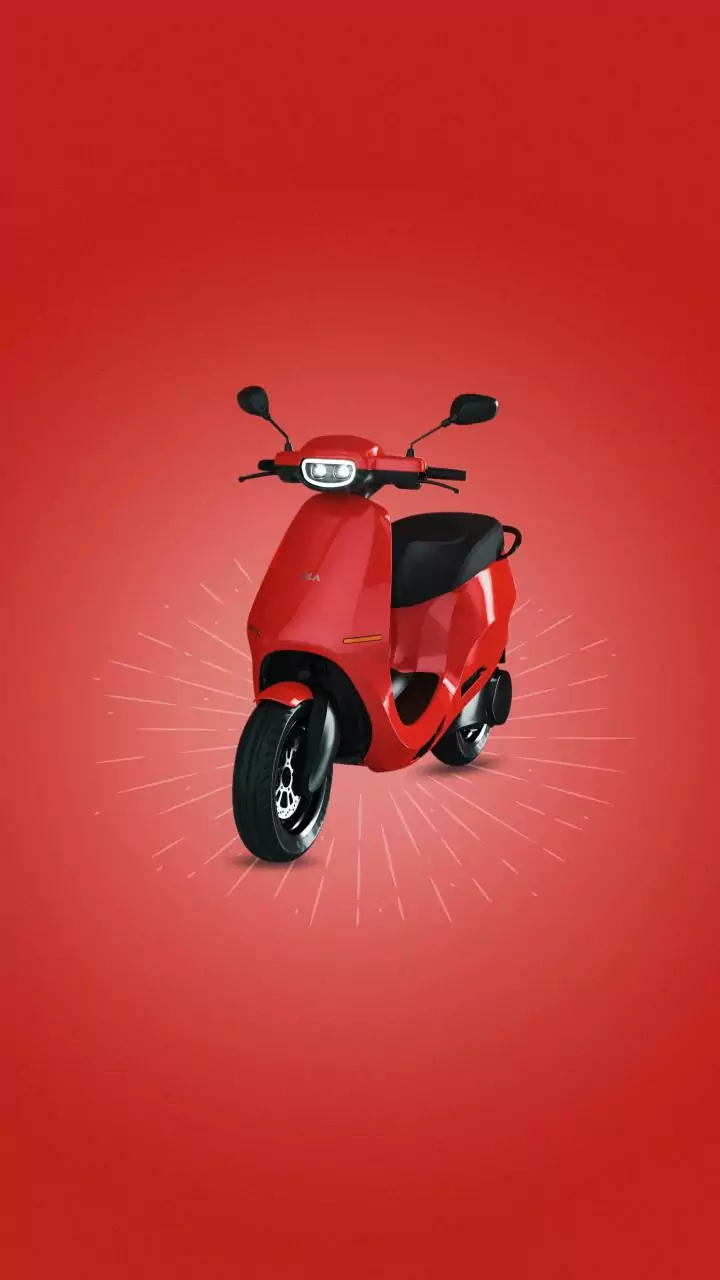
The PM E-DRIVE scheme, launched in September 2024 with an outlay of ₹10,900 crore, provides demand incentives for electric two- and three-wheelers. It also extends support to segments such as electric trucks and ambulances, and funds charging infrastructure and testing agency upgrades.
The PM e-Bus Sewa Payment Security Mechanism (PSM), notified in October 2024 with an outlay of ₹3,435.33 crore, supports the deployment of over 38,000 electric buses by providing payment security in case public transport authorities default on operator payments.
The Scheme to Promote Manufacturing of Electric Passenger Cars in India (SMEC), notified in March 2024, allows temporary imports of high-value electric cars at reduced customs duty, subject to a minimum investment of ₹4,150 crore ($500 million) and phased domestic value addition targets.
Also Read: Economic Survey 2026 Live Updates: 10-20% chance of 2008-like global crisis in 2026, warns CEA Nageswaran
Backed by a large manufacturing and auto component base, the sector provides direct and indirect employment to over 30 million people and contributes nearly 15% of the country’s Goods and Services Tax (GST) collections.
Production and exports gather pace
Vehicle production rose nearly 33% over the past decade, from FY15 to FY25, supported by post-pandemic demand recovery. This revival has translated into both higher output and sales, the Survey noted.
Exports have also strengthened. More than 5.3 million vehicles were shipped in FY25 across passenger, commercial, two-wheeler and three-wheeler segments. The momentum continued into FY26, with double-digit export growth recorded in the first half of the year, reflecting increasing global acceptance of India-made vehicles.
Policy push and EV manufacturing
The Production Linked Incentive (PLI) Scheme for Automobiles and Auto Components, approved in September 2021 with an outlay of ₹25,938 crore, supports Advanced Automotive Technology (AAT) vehicles and products. It has attracted cumulative investment of ₹35,657 crore and created 48,974 jobs as of September 2025.
The PLI scheme for Advanced Chemistry Cell (ACC) battery storage, with an outlay of ₹18,100 crore for 50 GWh capacity, aims to localise battery manufacturing. So far, 40 GWh capacity has been awarded, strengthening the domestic EV supply chain.
The PM E-DRIVE scheme, launched in September 2024 with an outlay of ₹10,900 crore, provides demand incentives for electric two- and three-wheelers. It also extends support to segments such as electric trucks and ambulances, and funds charging infrastructure and testing agency upgrades.
The PM e-Bus Sewa Payment Security Mechanism (PSM), notified in October 2024 with an outlay of ₹3,435.33 crore, supports the deployment of over 38,000 electric buses by providing payment security in case public transport authorities default on operator payments.
The Scheme to Promote Manufacturing of Electric Passenger Cars in India (SMEC), notified in March 2024, allows temporary imports of high-value electric cars at reduced customs duty, subject to a minimum investment of ₹4,150 crore ($500 million) and phased domestic value addition targets.
Also Read: Economic Survey 2026 Live Updates: 10-20% chance of 2008-like global crisis in 2026, warns CEA Nageswaran