




What is the story about?
India’s electric vehicle (EV) market closed December 2025 on a strong footing, with volumes gaining traction across segments as supply constraints eased and fleet demand strengthened, according to a report by Choice Institutional Equities. While growth remained broad-based, the performance across OEMs and segments showed sharp divergence, underlining an increasingly competitive EV landscape.
E-2-Wheeler: Strong growth, market share reshuffle
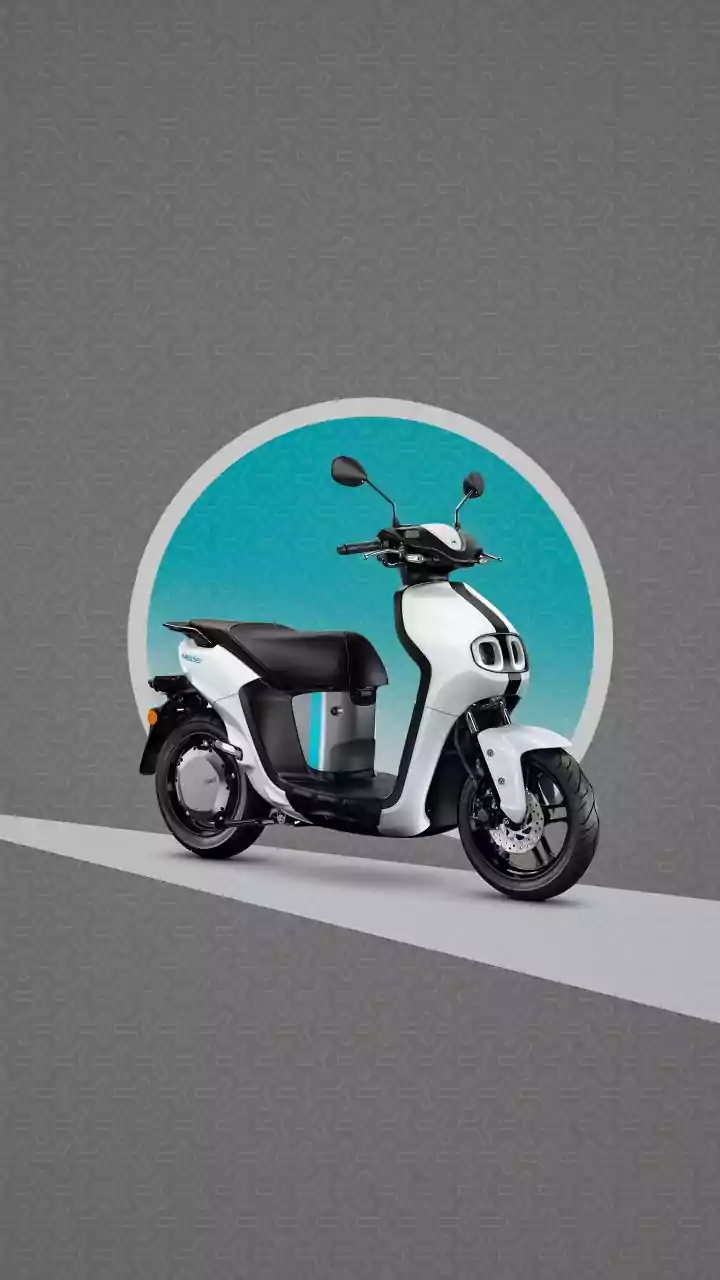
The electric two-wheeler (E-2W) segment recorded a healthy 32.2% year-on-year (YoY) growth in December 2025, supported by normalisation in EV production following easing of rare earth magnet supply. However, OEM-wise performance varied significantly.
Also Read: EV insurance: How rising repair costs and climate risks are reshaping coverage models
Hero MotoCorp, where EVs account for around 3% of domestic sales, reported a sharp 890.8% YoY surge, aided by strong demand, an expanded dealership network and a favourable base. Ather Energy, a pure-play EV manufacturer, sustained momentum with a 62.3% YoY growth, backed by recent product launches across multiple price points and stable retail traction, as per the report.
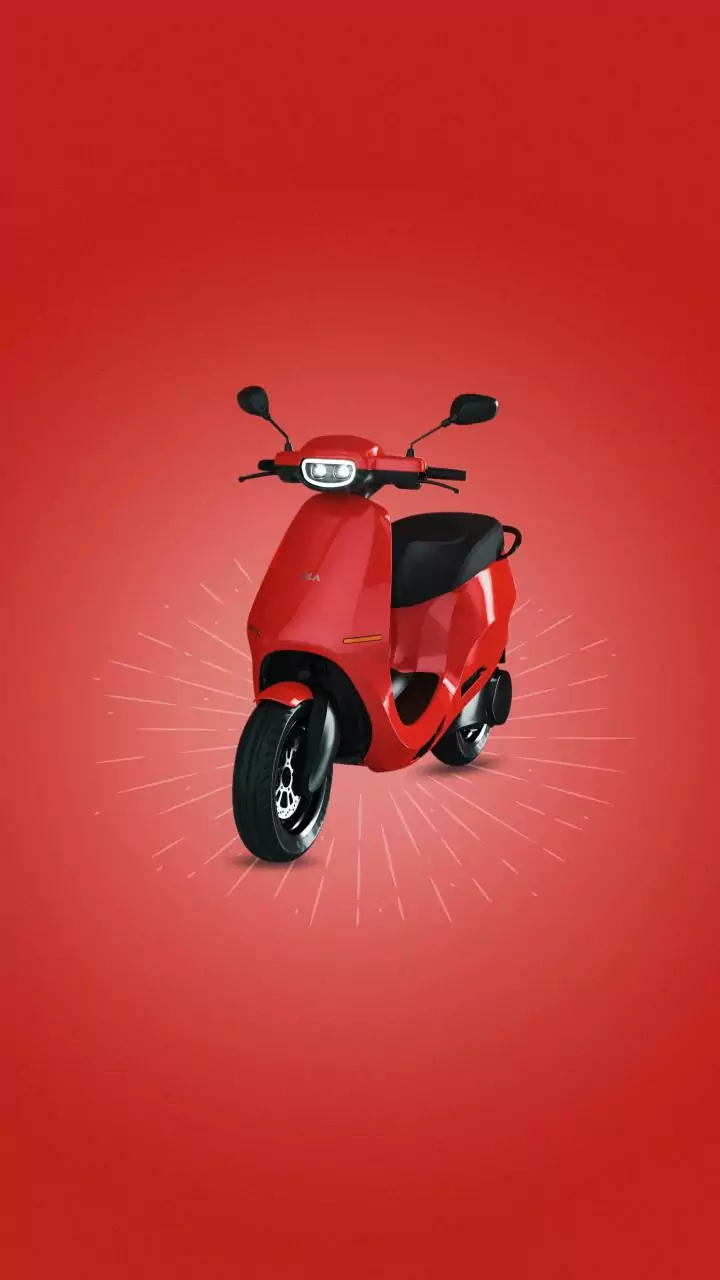
TVS Motor posted a 44.4% YoY growth. In contrast, Bajaj Auto reported a modest 2.3% YoY growth, reflecting its relatively mature EV portfolio and disciplined channel inventory management. Ola Electric, however, saw volumes decline 34.6% YoY amid intensifying competition from established players.
Market share trends mirrored these shifts. TVS Motor strengthened its leadership, increasing its share from 23.5% in December 2024 to 25.7% in December 2025, driven by strong demand for the iQube and improving traction of the Orbitor. Bajaj Auto’s share declined from 24.9% to 19.3%, while Ola Electric’s volume share fell sharply to 9.3% from 18.7% a year ago.
Also Read: India’s EV share doubles to 6%, Hyundai to invest ₹45,000 crore in growth, says CEO Tarun Garg
Ather Energy and Hero MotoCorp emerged as key gainers, with Ather expanding its market share from 14.3% to 17.5% and Hero MotoCorp increasing its share from 1.5% to 11.0% on a YoY basis.
E-Passenger Vehicle: Volumes surge as new launches drive demand
The electric passenger vehicle (E-PV) segment witnessed strong traction in December 2025, with volumes rising 63.3% YoY, supported by a wave of new model launches and improving customer acceptance.
Mahindra & Mahindra (M&M) recorded a sharp rise in volumes from 392 units in December 2024 to 3,066 units in December 2025, driven by recent EV launches. Tata Motors, while retaining market leadership, saw its market share decline from 45.7% to 43.3% amid intensifying competition. MG Motors’ share dropped sharply from 41.5% to 23.9%, impacted by an ageing portfolio and heightened competitive pressure.
In contrast, M&M increased its market share nearly fivefold, from 4.3% to 20.6%, reflecting the successful ramp-up of its new EV models. Hyundai also reported a sharp increase in volumes, rising from 20 units to 262 units YoY. Tata Motors-owned TTMT saw volumes grow from 4,167 to 6,441 units, supported by sustained demand for its electric portfolio.
E-3-Wheeler and CVs: Policy support and fleet demand lift momentum
Beyond personal mobility, the electric three-wheeler (E-3W) segment posted a healthy 48.5% YoY growth, while the electric commercial vehicle (E-CV) segment surged 186.9% YoY in December 2025. The momentum was driven by festive and replacement demand, improving availability of vehicle financing, sustained growth in last-mile delivery, rising municipal and fleet orders, and continued policy incentives.
Also Read: M&M sees GST-led demand and EV launches driving growth in 2026
Competition set to intensify
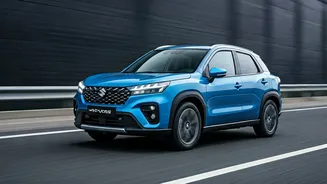
The report highlighted that the E-PV landscape is entering a phase of heightened competition. December 2025 marked the entry of Maruti Suzuki into the EV space with the launch of its first battery-electric SUV, the e-Vitara. M&M continued to expand its EV portfolio with higher deliveries of its XEV and BE 6 electric SUVs.
Looking ahead, competition is expected to intensify further, with Tata Motors’ Harrier EV and Sierra EV slated for launch by end-FY26E, alongside new electric SUVs and mass market offerings from other OEMs.
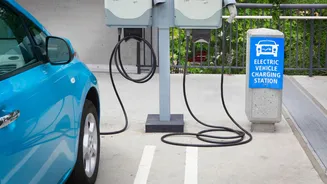
According to report, the industry remains poised for strong growth, supported by government incentives, continued OEM investments in battery manufacturing and localisation, and the steady expansion of charging infrastructure across key urban centres and highway corridors.
E-2-Wheeler: Strong growth, market share reshuffle
The electric two-wheeler (E-2W) segment recorded a healthy 32.2% year-on-year (YoY) growth in December 2025, supported by normalisation in EV production following easing of rare earth magnet supply. However, OEM-wise performance varied significantly.
Also Read: EV insurance: How rising repair costs and climate risks are reshaping coverage models
Hero MotoCorp, where EVs account for around 3% of domestic sales, reported a sharp 890.8% YoY surge, aided by strong demand, an expanded dealership network and a favourable base. Ather Energy, a pure-play EV manufacturer, sustained momentum with a 62.3% YoY growth, backed by recent product launches across multiple price points and stable retail traction, as per the report.
TVS Motor posted a 44.4% YoY growth. In contrast, Bajaj Auto reported a modest 2.3% YoY growth, reflecting its relatively mature EV portfolio and disciplined channel inventory management. Ola Electric, however, saw volumes decline 34.6% YoY amid intensifying competition from established players.
Market share trends mirrored these shifts. TVS Motor strengthened its leadership, increasing its share from 23.5% in December 2024 to 25.7% in December 2025, driven by strong demand for the iQube and improving traction of the Orbitor. Bajaj Auto’s share declined from 24.9% to 19.3%, while Ola Electric’s volume share fell sharply to 9.3% from 18.7% a year ago.
Also Read: India’s EV share doubles to 6%, Hyundai to invest ₹45,000 crore in growth, says CEO Tarun Garg
Ather Energy and Hero MotoCorp emerged as key gainers, with Ather expanding its market share from 14.3% to 17.5% and Hero MotoCorp increasing its share from 1.5% to 11.0% on a YoY basis.
E-Passenger Vehicle: Volumes surge as new launches drive demand
The electric passenger vehicle (E-PV) segment witnessed strong traction in December 2025, with volumes rising 63.3% YoY, supported by a wave of new model launches and improving customer acceptance.
Mahindra & Mahindra (M&M) recorded a sharp rise in volumes from 392 units in December 2024 to 3,066 units in December 2025, driven by recent EV launches. Tata Motors, while retaining market leadership, saw its market share decline from 45.7% to 43.3% amid intensifying competition. MG Motors’ share dropped sharply from 41.5% to 23.9%, impacted by an ageing portfolio and heightened competitive pressure.
In contrast, M&M increased its market share nearly fivefold, from 4.3% to 20.6%, reflecting the successful ramp-up of its new EV models. Hyundai also reported a sharp increase in volumes, rising from 20 units to 262 units YoY. Tata Motors-owned TTMT saw volumes grow from 4,167 to 6,441 units, supported by sustained demand for its electric portfolio.
E-3-Wheeler and CVs: Policy support and fleet demand lift momentum
Beyond personal mobility, the electric three-wheeler (E-3W) segment posted a healthy 48.5% YoY growth, while the electric commercial vehicle (E-CV) segment surged 186.9% YoY in December 2025. The momentum was driven by festive and replacement demand, improving availability of vehicle financing, sustained growth in last-mile delivery, rising municipal and fleet orders, and continued policy incentives.
Also Read: M&M sees GST-led demand and EV launches driving growth in 2026
Competition set to intensify
The report highlighted that the E-PV landscape is entering a phase of heightened competition. December 2025 marked the entry of Maruti Suzuki into the EV space with the launch of its first battery-electric SUV, the e-Vitara. M&M continued to expand its EV portfolio with higher deliveries of its XEV and BE 6 electric SUVs.
Looking ahead, competition is expected to intensify further, with Tata Motors’ Harrier EV and Sierra EV slated for launch by end-FY26E, alongside new electric SUVs and mass market offerings from other OEMs.
According to report, the industry remains poised for strong growth, supported by government incentives, continued OEM investments in battery manufacturing and localisation, and the steady expansion of charging infrastructure across key urban centres and highway corridors.