






Preservatives: The Basics
Food preservatives, essential in modern food processing, act as silent guardians against spoilage, ensuring food's shelf life. They prevent the growth
of harmful microorganisms like bacteria, mold, and yeast, which cause foodborne illnesses. Moreover, preservatives hinder the process of oxidation, which is responsible for the loss of flavor and discoloration in foods. Common types include antimicrobials (like benzoates, sorbates, and nitrites), which specifically target microbes; antioxidants (such as BHA and BHT), used to slow down oxidation; and other additives that serve diverse functions, enhancing taste, texture, and appearance. Preservatives are vital for food safety and convenience, enabling the transportation and storage of food over long distances and extended periods. However, growing concerns focus on their potential impact on health.
Cancer: The Connection?
Some preservatives have been linked to an increased risk of cancer in various studies. Nitrites, often found in processed meats, can form nitrosamines, known carcinogens. BHA, used in some foods, has shown carcinogenic effects in animal studies, though human evidence is limited. The association is not straightforward, requiring careful evaluation of dosage, frequency, and other dietary factors. It emphasizes the need for informed choices and understanding food labels.
Diabetes: A Possible Link
Research suggests that some preservatives may affect glucose metabolism and increase the risk of type 2 diabetes. Certain additives can disrupt gut microbiota, influencing insulin sensitivity and blood sugar levels. However, this is an area of active investigation, and more robust studies are needed to establish concrete causality. The results underscore the importance of dietary patterns and choices that support overall health.
Making Informed Choices
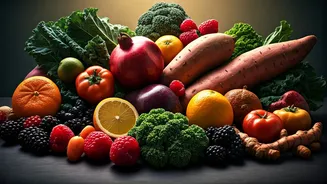
To minimize potential risks, it's essential to become a smart consumer. Read food labels carefully, looking for preservatives. Opt for fresh, whole foods whenever possible, and be mindful of portion sizes. Consider the overall dietary pattern, emphasizing a balanced intake of nutrients, and staying updated with the latest research. Making informed choices contributes significantly to well-being.