






The Shifting Age of Illness
It's a startling reality: individuals in their late twenties and early thirties in urban Indian settings are now grappling with conditions traditionally
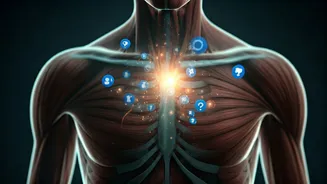
associated with much older age groups. This isn't due to premature aging, but rather a consequence of modern lifestyles characterized by incorrect habits. Conditions such as diabetes, elevated blood pressure, fatty liver disease, and Polycystic Ovarian Disease (PCOD) are becoming alarmingly common in people under 40. The concerning aspect is that these ailments often develop silently, without presenting obvious symptoms, making early detection a significant challenge.
Unseen Metabolic Dangers
A standard Body Mass Index (BMI) no longer serves as a reliable indicator of overall health. A primary concern is the accumulation of visceral fat, the fat that encircles internal organs. This excess fat is a significant contributor to chronic inflammation and disrupts normal metabolic functions within the body. Furthermore, persistent stress elevates cortisol levels, which in turn can lead to insulin resistance, a precursor to diabetes. Sleep deprivation, with individuals consistently getting less than six hours of rest, exacerbates these metabolic disturbances. The neglect of regular health check-ups further compounds the issue, delaying the identification and management of these escalating health problems.
Women's Health Focus
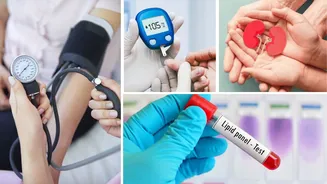
Polycystic Ovarian Syndrome (PCOS) is a pervasive condition, silently affecting approximately 20 percent of women residing in urban India. To effectively manage and prevent complications, regular medical consultations are paramount. These should encompass essential preventive measures like HPV vaccination, Pap smear tests for cervical health, and thorough hormonal evaluations. Beyond these specific women's health needs, after the age of 25, a suite of routine diagnostic tests becomes crucial. These include fasting blood sugar levels, HbA1c for long-term glucose control, a comprehensive lipid profile to assess cholesterol, liver enzyme tests, thyroid function assessments, and checks for Vitamin D and B12 deficiencies. Early detection through these tests can significantly aid in reversing health issues. Additionally, a whole abdomen ultrasound can be instrumental in identifying early signs of fatty liver disease and other subtle organ damage.
Dietary Trends Debunked
The popular concept of 'clean eating' is often misrepresented due to the spread of misinformation. In reality, traditional Indian staples like dal, chawal, and sabzi offer a complete and balanced nutritional profile. There's no inherent superiority of foods like quinoa or kale over these traditional dishes. Many packaged 'healthy' snacks, such as multigrain biscuits and protein bars, function primarily as marketing tools rather than genuinely beneficial food choices. The convenience offered by cloud kitchens and extensive delivery services has normalized the consumption of ultra-processed foods at home. It's crucial to be aware of hidden ingredients like refined flour (maida), processed vegetable oils, and excessive sugar that are commonly found in everyday items like bread, biscuits, sweets (mithai), and even pre-packaged whole wheat flour (atta).
The Path to Wellness
Ultimately, there isn't a single 'superfood' or a universally perfect diet that guarantees optimal health. Dietary supplements cannot effectively substitute for the vital nutrients obtained from whole foods. The bedrock of good health lies in consuming unprocessed, whole foods, opting for home-cooked meals whenever possible, engaging in regular health screenings, and cultivating consistent, healthy habits. Turning 30 does not have to mean feeling like you're 50; however, achieving this requires a conscious shift in mindset and intentional, proactive choices starting from the present moment.