



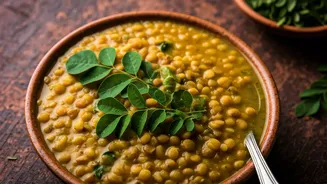


Nutrition's Vital Role
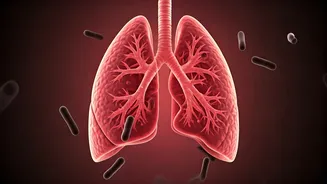
Tuberculosis, a persistent health challenge in India, finds a crucial ally in proper nutrition, extending beyond mere medical treatment. Experts emphasize
that dietary choices and lifestyle habits are not just supplementary but are fundamentally important for both a patient's recovery and the prevention of infection. The interplay between TB and malnutrition is significant; the infection itself compromises the body, leading to appetite loss and weight reduction. Concurrently, inadequate nutrition weakens the immune system, making the fight against the disease more arduous. Research underscores that undernourishment substantially elevates the likelihood of developing active TB and negatively impacts treatment outcomes. In essence, TB can be both a cause and a consequence of protein-energy malnutrition. Patients frequently require approximately 1.5 times their normal caloric intake to effectively regain lost weight and strength, highlighting the critical need for a nutrient-dense approach to care.
Dietary Power-Ups
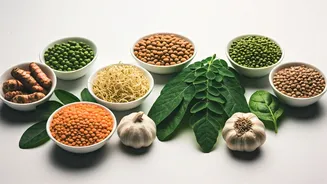
To effectively rebuild the body during TB treatment, prioritizing protein and calorie consumption is paramount. Experts advocate for incorporating foods rich in protein, such as eggs, lentils, dairy products, and various meats, to facilitate tissue repair and muscle mass restoration. Beyond these, paneer and curd are also recommended, with protein supplements considered if necessary. Equally vital are micronutrients derived from colorful fruits and vegetables, which supply essential vitamins A and C, bolstering the immune system's ability to aid recovery. For sustained energy, crucial for combating fatigue, whole grains like millets are highly beneficial. The significance of consistent dietary improvements is underscored by studies like the RATIONS trial in India, which demonstrated a nearly 40 percent reduction in TB incidence within families by enhancing their nutritional intake, proving nutrition's importance for both patients and their households. Avoiding processed and junk foods is also advised, as they offer minimal nutritional value and can hinder the healing process.
Lifestyle for Immunity
While tuberculosis primarily spreads via airborne droplets, not everyone exposed contracts the disease; a robust immune system is the key differentiator. Maintaining a strong immune defense significantly lowers the risk of developing active TB. This is achieved through a multifaceted approach including a balanced diet, consistent physical activity, adequate sleep, and effective stress management. Conversely, certain habits can heighten susceptibility. Smoking, for instance, directly damages lung tissue and compromises localized immunity, while excessive alcohol consumption can impair the body's overall immune response. Therefore, abstaining from these practices is considered essential. Furthermore, environmental factors play a role; ensuring good ventilation minimizes the concentration of infectious particles in the air. Simple hygiene measures, like covering one's mouth when coughing, are also critical in limiting transmission. Proactive steps such as early screening for individuals in high-risk groups add another important layer of protection.
Holistic Healing Synergy
The journey of TB treatment is often lengthy and demanding, but its success is not solely determined by medication. A nutrient-dense diet is instrumental in accelerating the body's healing processes, aiding in weight recovery, and improving tolerance to prescribed treatments. Simultaneously, embracing healthy lifestyle choices acts as a powerful fortifier of the immune system, thereby diminishing the chances of initial infection or subsequent relapse. In a nation where TB continues to be a significant public health concern, these everyday decisions—what we choose to eat and how we conduct our lives—possess the quiet yet profound power to significantly alter health outcomes for individuals and communities.