





Oats' Cholesterol Power
Oats are renowned for their contribution to maintaining good heart health and overall wellness. While many embrace oats for their complex carbohydrate
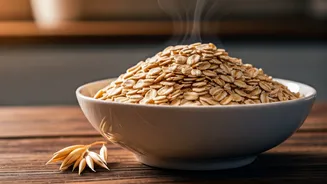
content, particularly at breakfast, emerging research highlights benefits that often go unnoticed. A notable study from the University of Bonn, published in Nature Communications, indicates that even a brief two-day dietary regimen focused on oats can initiate a natural decrease in cholesterol levels, with positive effects persisting for several weeks. This research underscores the profound impact that even short-term dietary modifications can have on reducing the risk of metabolic disorders, reinforcing the crucial role of a healthy diet in cardiovascular care. The key lies in oats' rich composition of soluble fiber and beta-glucans, nutrients scientifically recognized for their efficacy in managing cholesterol and supporting heart function.
Metabolic Boost Mechanism
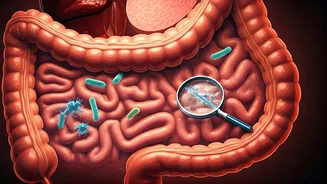
The mechanisms by which oats contribute to improved cholesterol management are multifaceted. Experts suggest that oats positively influence the gut microbiome, a complex ecosystem of microorganisms in the digestive tract. This interaction leads to the production of beneficial compounds that can enhance metabolism, such as ferulic acid. Simultaneously, oats play a role in reducing insulin resistance, a significant factor contributing to the development of diabetes. In a specific trial, participants diagnosed with metabolic syndrome adhered to an oat-centric diet for a period of two days. This diet involved consuming approximately 300 mg of oats daily, distributed across three meals, and was supplemented with servings of fruits and vegetables. The outcomes observed were remarkable: participants experienced an average weight loss of 2 kilograms, a notable 10% reduction in LDL cholesterol levels, and sustained health improvements that lasted for six weeks. Furthermore, their blood pressure also showed significant betterment. These results were more pronounced than those seen in a control group that followed a general calorie-restricted diet, highlighting the specific advantages of an oat-based intervention.
Short-Term Impact
A compelling finding from the study challenges conventional wisdom about dietary changes requiring extended periods to yield results. It was observed that a high-intensity, short-term oat diet demonstrated more potent effects compared to a longer, moderate consumption plan. For instance, individuals who consumed 80 grams of oats daily for six weeks reported only minor improvements, whereas those following the intensive two-day oat intervention experienced faster and more significant metabolic benefits. This suggests that a strategically designed dietary intervention, even when brief, can accelerate positive metabolic changes. The nutritional profile of oats further explains their efficacy; they are primarily packed with soluble fiber, beta-glucans, and complex carbohydrates, with a single cup typically providing 4–6 grams of fiber. Enhancing their nutritional value is easily achieved by incorporating fruits and vegetables, thereby amplifying their health-promoting properties.
Expert Caution & Long-Term View
While the findings on short-term oat consumption are encouraging, experts emphasize that diet exerts a profound influence on heart health, necessitating informed choices. However, they strongly caution against viewing short-term interventions as a panacea for long-term health management. This is particularly relevant for individuals managing high cholesterol, where consulting a healthcare professional is paramount before implementing any significant dietary changes. Although a two-day oat regimen can offer tangible benefits, adopting a sustainable, long-term dietary plan is ultimately advisable for optimizing overall metabolic health and achieving enduring wellness.