







Why Vitamin D Matters
Vitamin D is a vital nutrient, going far beyond its well-known role in bone strength by aiding calcium absorption and supporting robust muscle function.
It also plays a crucial part in maintaining a healthy immune system, keeping our defenses robust. Furthermore, emerging research highlights its significance for cognitive well-being; vitamin D receptors are present in key brain areas, and insufficient levels have been associated with fluctuations in mood and energy. During the winter months, when natural sunlight is scarce, many individuals experience a dip in their vitality and motivation. While stress and sleep deprivation are often cited as causes, diminished sunlight exposure and consequent lower vitamin D levels are likely significant contributing factors to these common wintertime feelings of lethargy and emotional flatness.
Winter's Deficiency Challenge
The human body's primary method for synthesizing vitamin D involves direct exposure of the skin to sunlight. However, as winter progresses, this natural production significantly wanes. The combination of shorter daylight hours, the necessity of wearing heavier clothing that covers more skin, and an increased tendency to spend time indoors dramatically reduces opportunities for this vital synthesis. Consequently, even individuals who diligently focus on healthy eating can find it challenging to sustain adequate vitamin D levels throughout prolonged periods of limited solar radiation. In these circumstances, dietary choices emerge as a critical complementary strategy, offering a means to support the body's vitamin D status, although they cannot entirely replicate the benefits of sunlight exposure.
Fatty Fish Powerhouses
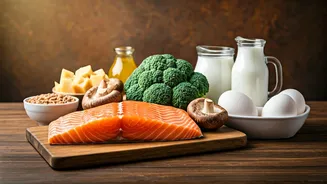
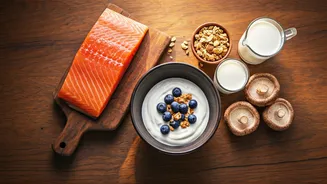
When seeking natural dietary sources of vitamin D, fatty fish stand out as exceptional choices. Salmon, in particular, is renowned for its abundant vitamin D content, alongside providing high-quality protein and beneficial omega-3 fatty acids that bolster both cardiovascular and neurological health. Integrating salmon into your weekly meals is remarkably simple; consider preparing it baked with roasted potatoes and broccoli for a balanced dinner, or create a vibrant rice bowl topped with salmon and an assortment of vegetables. Herring is another excellent option, offering a dual benefit of vitamin D and omega-3s, both recognized for their positive impact on heart health. Traditional pairings like herring served with boiled potatoes or a light, creamy yogurt-based sauce provide a nourishing and satisfying meal that contributes significantly to your nutrient intake.
Everyday Nutrient Boosters
Beyond fatty fish, several everyday foods can contribute smaller yet valuable amounts of vitamin D to your diet. Eggs, particularly their yolks, are a good source, and while they don't match the levels found in fish, their versatility makes them easy to incorporate into daily meals. Enjoying scrambled eggs for breakfast, a vegetable-filled omelette, or even a single soft-boiled egg as part of your dinner can gradually increase your vitamin D consumption over time. Mushrooms represent one of the few plant-based foods that naturally contain vitamin D, especially those varieties that have been exposed to UV light. While not a substitute for the vitamin D provided by seafood, mushrooms can be a beneficial addition for individuals who consume little to no fish, adding a valuable nutrient boost to vegetarian or vegan diets.
Diet vs. Sunlight
While enhancing your diet with vitamin D-rich foods is a highly recommended strategy for navigating the winter months, it's essential to recognize its limitations. Food intake can certainly support your body's vitamin D levels, but it cannot fully compensate for the absence of direct sunlight, which remains the primary catalyst for vitamin D synthesis in the skin. Therefore, health experts continue to advocate for maximizing opportunities to be outdoors during daylight hours, even if it means taking short walks. This exposure, combined with a conscious effort to include vitamin D-fortified foods in your meals, provides the most effective approach to maintaining well-being until the sun's strength returns in the spring.