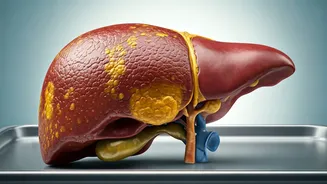








The Initial Outbreak
The incident commenced with a cluster of individuals who suddenly developed jaundice, a condition causing yellowing of the skin and eyes, signaling liver
distress. The patients, all of whom shared the common habit of drinking coffee, became the focus of the ensuing investigation. Initially, medical professionals were perplexed, as conventional tests failed to pinpoint the source of the ailment. This mystery was further complicated due to the absence of easily identifiable clues. Several patients started exhibiting symptoms concurrently, creating a sense of urgency. Without a clear diagnosis, the medical team faced the daunting task of unraveling a health crisis with obscure origins.
Searching for Answers
The medical team's initial approach involved scrutinizing various potential sources, however, the root cause remained elusive. Despite the lack of an immediate answer, the team systematically eliminated possible causes. Food poisoning was thoroughly evaluated, and a survey was carried out to identify common factors in the patients’ daily routines. This thoroughness was crucial. When the inquiry began, it was evident that the primary factor linking all cases was the consumption of coffee from a specific source. However, the coffee itself was subjected to rigorous testing. This testing was carried out by independent labs, and the results were inconsistent. This meant the search for the culprit was far from over.
Unveiling the Culprit
As investigators continued their search, it was found that the coffee beans had been tainted. The contamination came from a specific batch of coffee beans. The contamination was traced back to a specific importer and supplier. The culprit behind the coffee-related illness was found to be the presence of pyrrolizidine alkaloids (PAs), a type of toxin commonly found in certain plants. PAs can damage the liver and, at high levels, cause severe liver damage. These PAs made their way into the coffee supply chain through the inclusion of toxic plant matter during the harvesting or processing stages of the coffee. The discovery of the PAs provided a crucial insight. This finally gave answers to the puzzle.
The Role of PAs
Pyrrolizidine alkaloids (PAs) are naturally occurring toxins. They're present in various plants. When ingested, PAs can cause significant liver damage, leading to symptoms like jaundice, abdominal pain, and, in severe cases, liver failure. The investigation revealed that the levels of PAs found in the affected coffee beans were sufficiently high to cause illness in consumers. This highlighted the importance of regulations. This means that coffee production processes must be able to prevent PA contamination. The findings underscored the need for strict quality control measures to prevent similar outbreaks in the future. The incident raised awareness about the potential dangers of contaminants.
Lessons and Solutions
The coffee-related incident served as a wake-up call for food safety. It underscored the importance of comprehensive testing. This also underscored the critical role of tracing ingredients back to their source. Furthermore, it prompted heightened scrutiny of coffee supply chains. The incident resulted in changes. This led to enhanced quality control protocols. Now, these control protocols are designed to identify and eliminate the risk of PA contamination. The incident taught how vigilance, detailed investigations, and proactive measures can safeguard public health. It emphasized the need for ongoing monitoring and research to identify potential risks.