








The Papaya Craze
A recent surge in interest has focused on papaya, particularly following an Ayurvedic expert's suggestion that daily consumption could aid in managing
cholesterol levels. This has led many to view the tropical fruit as a simple, natural solution to elevated lipid counts, bypassing the need for medications or complex dietary changes. The idea of achieving better health with just a bowl of fruit is appealing, but it prompts a crucial question: does scientific evidence truly back up these enthusiastic claims? This exploration aims to dissect the purported benefits and ground them in established nutritional science.
Expert Insights on Papaya
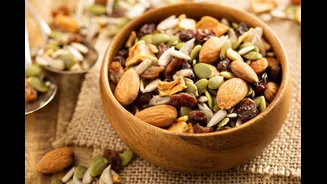
Registered dietitian Ginni Kalra clarifies that while papaya is indeed rich in fiber, specifically soluble fiber, and beneficial antioxidants, these components can contribute to reducing LDL ('bad') cholesterol. However, she emphatically states that it's inaccurate to claim that papaya alone can entirely control cholesterol. Effective cholesterol management is a holistic process, intrinsically linked to one's entire dietary intake and overall lifestyle. Other foods like apples, guava, pears, oats, leafy greens, carrots, bottle gourd, beans, nuts, and seeds also play a vital role, alongside consistent exercise and weight management. For individuals facing significantly high cholesterol or at a heightened risk of heart disease, relying solely on fruit consumption is ill-advised; medical supervision and prescribed medications may be necessary.
Papaya's Nutritional Strengths
Papaya has long been a staple in Indian households, traditionally lauded for its digestive benefits, aiding conditions like constipation and acidity, and promoting overall gut health. More recently, its focus has shifted towards cardiovascular health, a timely development given the escalating rates of cholesterol-related issues, especially within urban populations facing sedentary jobs, processed food diets, and elevated stress levels. The appeal of simple dietary interventions is immense. Papaya's nutritional profile includes significant amounts of fiber, vitamin C, and antioxidants, all of which are recognized for their positive impact on cardiovascular well-being. The core inquiry remains whether these nutrients, present in papaya, grant it the power to unilaterally manage cholesterol.
The Role of Fiber
Fiber is a cornerstone in cholesterol management. Soluble fiber acts within the digestive tract by binding to cholesterol particles, facilitating their removal from the body before they can be absorbed into the bloodstream. Papaya is a good source of dietary fiber, which not only supports efficient digestion but also aids in lowering LDL cholesterol. Think of fiber as an internal cleansing agent that minimizes the absorption of unhealthy fats and enhances the functionality of the gut. This is precisely why numerous nutrition experts advocate for the regular inclusion of fruits in one's diet. Nevertheless, it's crucial to understand that the impact of fiber is gradual and supportive, not a rapid or definitive cure.
Antioxidants and Arterial Health
Papaya boasts a generous quantity of vitamin C and other potent antioxidants. These compounds are instrumental in mitigating inflammation and combating oxidative stress, both of which are significant contributors to the buildup of plaque within the arteries. By promoting healthier blood vessels, the process of cholesterol deposition along arterial walls is hindered, thereby reducing the long-term risks associated with heart disease. However, it is important to conceptualize antioxidants as protective agents rather than agents of erasure; they excel at preventing cellular damage but do not dramatically reverse pre-existing high cholesterol levels.
Holistic Approach to Cholesterol
In conclusion, while papaya offers genuine health advantages, it should not be regarded as a miracle cure for cholesterol issues. Elevated cholesterol typically stems from ingrained lifestyle habits, encompassing dietary quality, physical inactivity, smoking, inadequate sleep, and chronic stress. Incorporating a modest serving of papaya daily can undoubtedly contribute to supporting heart health. Its effectiveness is maximized when integrated into a broader healthy lifestyle strategy. This includes increasing intake of other fiber-rich foods, reducing consumption of fried and processed items, engaging in regular physical activity, and adhering to prescribed medical treatments when necessary. Individuals with latex allergies, specific medical conditions, or during pregnancy should seek professional medical advice before consuming significant quantities, especially of unripe papaya.