




Ghee: A Traditional Powerhouse
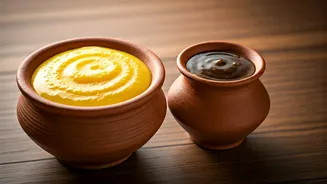
Desi ghee, or clarified butter, is a beloved component of Indian culinary traditions, often used to enhance the flavour of everything from rotis and parathas
to dal. While it's calorie-dense, ghee is also a valuable source of essential nutrients like vitamin A and healthy fats. Nutritionist Rujuta Diwekar champions the inclusion of ghee in daily meals, emphasizing its ability to complement a balanced diet without undue health concerns. She highlights that its inherent nutritional profile can effectively neutralize potential downsides, making it a beneficial addition for many, including those managing their health holistically.
Diabetics and Ghee's Glycemic Magic
Ayurveda has long revered ghee for its medicinal properties, and Rujuta Diwekar echoes this sentiment, noting its benefits beyond just flavour enhancement. Ghee is known to promote a healthy gut microbiome and possess anti-inflammatory qualities, contributing to overall well-being and potentially aiding in conditions like congestion. The presence of vitamin A also supports skin and hair vitality. However, Diwekar points out a particularly significant advantage for individuals with diabetes: smearing ghee on wheat rotis can help lower the glycaemic index (GI) of the bread. Foods with a lower GI are crucial for diabetics as they lead to a slower, more gradual release of sugar into the bloodstream, thus preventing sharp spikes in blood glucose levels, which can have severe health consequences.
Portion Control: The Ghee Equation
The key to reaping the benefits of ghee, as advised by Rujuta Diwekar, lies in mindful consumption and appropriate portioning. She suggests that the amount of ghee added should be proportionate to the meal being consumed. For instance, a teaspoon might suffice for a serving of dal-rice. However, for more nutrient-dense or fibrous foods like ragi (finger millet), a slightly larger quantity might be beneficial. The overarching principle is to ensure that the ghee enhances the dish without overwhelming its natural flavours. This balanced approach allows individuals to enjoy the health advantages of ghee without compromising taste or nutritional balance.
Daily Ghee: A Hearty Affair
Far from being detrimental, daily consumption of ghee, when incorporated correctly, can be beneficial even for heart health. It contains omega-3 fatty acids, which are known to support cardiovascular function and aid in managing cholesterol levels. These essential fatty acids also play a role in brain health. Furthermore, ghee can be an ally in weight management efforts when consumed as part of a balanced diet. Whether applied topically on a roti, stirred into dal, or consumed in moderation, a touch of ghee can contribute positively to both skin and heart well-being, reinforcing its status as a wholesome dietary staple for many.