






Calorie Overload Unveiled
A groundbreaking study has brought to light the substantial calorie contribution of ultra-processed foods in our everyday diets. The research indicates
that individuals who consume these foods might be inadvertently ingesting an additional 330 calories per day. This substantial increase can have significant implications for weight management and overall health. The study's focus underscores the necessity of scrutinizing our food choices and understanding the hidden caloric impact of the foods we consume regularly. The findings suggest that even seemingly small, daily decisions in the grocery aisle could significantly affect overall health and calorie intake, emphasizing the importance of informed food selections.
What Are Ultra-Processed Foods?
Ultra-processed foods are typically characterized by their high content of added sugars, fats, and artificial additives. They undergo extensive industrial processes and often contain few, if any, whole food ingredients. Examples include packaged snacks, sugary drinks, pre-made meals, and many fast-food items. The manufacturing often involves techniques like extrusion, molding, and the use of chemical additives. These methods create products with extended shelf lives, appealing tastes, and convenient preparation, which often overshadow their potential health implications. A key concern with these foods is that they are generally engineered to be hyper-palatable, encouraging overconsumption and increasing the likelihood of weight gain due to their high caloric density and low nutritional value.
Study's Key Insights
The recent study highlights a concerning trend. Researchers found that diets abundant in ultra-processed foods could easily contribute an extra 330 calories daily compared to diets that emphasized whole, unprocessed foods. This caloric difference is substantial and can contribute significantly to weight gain over time. The study's methodology likely involved tracking the food intake of participants, comparing their consumption of various food categories, and assessing the associated caloric intake. Although the precise details of the study would vary based on methodology, this outcome highlights the importance of the type of food we choose and its direct relationship with caloric consumption, thereby influencing our overall energy balance.
Health Implications Explored
The additional 330 calories from ultra-processed foods can have broad health repercussions. Regular overconsumption of these foods is frequently connected to weight gain, as the excess calories, especially when paired with a lack of essential nutrients, lead to increased fat storage. Furthermore, these foods are often devoid of essential nutrients like fiber, vitamins, and minerals, which are crucial for maintaining good health and preventing chronic diseases. Frequent intake of ultra-processed foods is associated with an elevated risk of heart disease, type 2 diabetes, and certain types of cancer. Addressing this issue requires thoughtful consideration of dietary habits and potentially adopting strategies like meal prepping or increased awareness of nutrition labels to help reduce these health risks and improve overall well-being.
Smart Food Choices
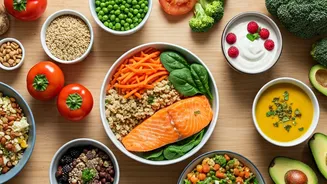
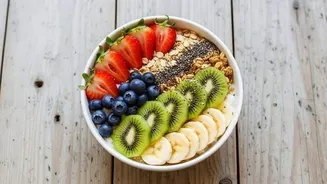
Making informed food choices is vital. Start by carefully reading food labels, especially checking for added sugars, unhealthy fats, and the types of additives included. Prioritize meals built around fresh, whole foods such as fruits, vegetables, lean proteins, and whole grains. Reduce or eliminate the consumption of processed snacks, sweetened beverages, and pre-packaged meals. Preparing meals at home provides better control over ingredients and portion sizes, making it easier to create healthier options. Being aware of the hidden ingredients in processed foods helps make better decisions, supporting a balanced diet and reducing the chance of unnecessary calorie consumption.
Practical Dietary Tips
Implement some practical strategies to reduce your reliance on ultra-processed foods. Plan your meals for the week to ensure that you have healthy options readily available. Pack your own snacks and lunches for work or school to avoid the temptation of grabbing processed alternatives. Experiment with cooking new recipes at home and gradually incorporate more whole foods into your diet. Swap sugary drinks for water, unsweetened tea, or infused water. Learn how to read nutrition labels effectively, focusing on ingredients and nutritional content. These habits can collectively help you steer towards a more nutritious diet and reduce the potential health risks associated with a high intake of ultra-processed foods.
Long-Term Benefits Noted
Adopting a dietary approach that limits ultra-processed foods offers long-term health benefits. By choosing whole, unprocessed foods, you'll naturally consume fewer calories from unhealthy sources and increase your intake of essential nutrients. This shift can contribute to healthier weight management, lower the risk of chronic diseases, and improve overall energy levels. The focus on nutrient-dense foods supports a strong immune system, improved mental clarity, and improved longevity. Making this dietary change is a commitment to investing in your health and well-being, fostering a sustainable lifestyle and reducing health risks associated with over-processed food intake. This encourages a future of improved health and vitality.