
The Hibiscus Wonder
Hibiscus tea, also recognized as roselle or sorrel, is brewed from the vibrant, crimson calyces of the hibiscus flower. This beverage has a unique, tart
flavor profile and is naturally caffeine-free. Beyond its appealing taste, hibiscus tea has been the subject of numerous studies investigating its potential health benefits, particularly its effects on blood pressure and cardiovascular health. It's rich in antioxidants, which are crucial in neutralizing harmful free radicals in the body. The antioxidants present in hibiscus tea are believed to contribute to various health advantages, making it a popular choice for those looking to support their overall wellness. In regions where it's cultivated, hibiscus tea also holds cultural significance, often being incorporated into traditional remedies and social gatherings.
Blood Pressure Benefits?
One of the most researched aspects of hibiscus tea is its potential to lower blood pressure. Several studies have explored this connection, with encouraging results. Research suggests that regular consumption of hibiscus tea may help reduce both systolic and diastolic blood pressure. A 2010 study published in the 'Journal of Nutrition' revealed that participants who consumed hibiscus tea experienced significant reductions in blood pressure compared to those who took a placebo. While these findings are promising, it's essential to note that hibiscus tea should not be considered a replacement for prescribed blood pressure medication. It's always advisable to consult with a healthcare professional before making any significant changes to your diet or health regimen, especially if you have existing health conditions. The mechanism behind hibiscus tea's blood pressure-lowering effect is believed to be linked to its high concentration of anthocyanins and other antioxidants, which can help relax blood vessels.
Heart Health Implications
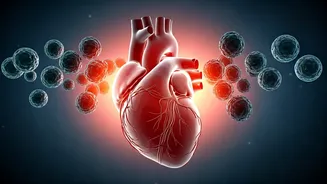
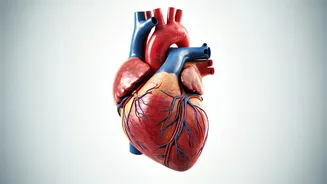
Beyond its impact on blood pressure, hibiscus tea may also provide other benefits for heart health. High blood pressure is a significant risk factor for cardiovascular diseases, including heart attacks and strokes. By potentially lowering blood pressure, hibiscus tea could indirectly contribute to a reduced risk of these serious conditions. Moreover, the antioxidants present in hibiscus tea help combat oxidative stress and inflammation, which are known contributors to heart disease. Some research indicates that hibiscus tea may also help improve cholesterol levels, with some studies showing a reduction in LDL (bad) cholesterol and an increase in HDL (good) cholesterol. However, more research is needed to fully understand the extent of these effects. The collective impact of these potential benefits suggests that incorporating hibiscus tea into a balanced diet and lifestyle could support a healthier heart.
Consumption and Preparation
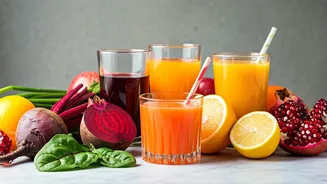
Preparing hibiscus tea is relatively simple. The dried hibiscus calyces can be steeped in hot water, similar to brewing regular tea. The longer the steeping time, the more intense the flavor. It can be enjoyed hot or cold, making it a versatile beverage for any season. The taste is often described as tart and cranberry-like. Some people add natural sweeteners like honey or stevia to balance the tartness, though it's important to be mindful of added sugar. Hibiscus tea is widely available in tea bags, loose-leaf form, and ready-to-drink beverages. When selecting hibiscus tea, it's advisable to choose products that are free from artificial additives and preservatives. For those with specific health concerns or on medication, consulting with a healthcare provider before incorporating hibiscus tea into your diet is always recommended. This ensures that it aligns with your overall health plan and doesn’t interact with any existing medications you may be taking.
Precautions and Considerations
While hibiscus tea is generally considered safe, there are some precautions to keep in mind. Individuals with low blood pressure should consume it cautiously, as it may further lower blood pressure levels. Those taking medications for high blood pressure should also be careful and monitor their blood pressure regularly. The interaction between hibiscus tea and certain medications has not been extensively studied, so it's always wise to seek medical advice if you’re concerned. Additionally, some people may experience mild side effects, such as stomach upset or allergic reactions. Pregnant or breastfeeding women should also consult with their healthcare provider before consuming hibiscus tea, as there isn’t enough research to determine its safety for this group. It's crucial to listen to your body and discontinue use if you experience any adverse reactions. Moderation and informed choices are always key when incorporating new foods or beverages into your diet.