




Seed Nutritional Profiles
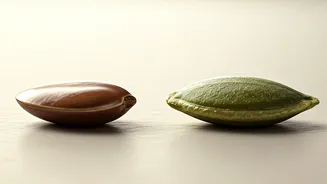
Flax and pumpkin seeds each bring a unique nutritional profile to the table. Flax seeds are renowned for their high fiber content, both soluble and insoluble,
supporting digestive health. They are also packed with omega-3 fatty acids, particularly alpha-linolenic acid (ALA), vital for heart health and reducing inflammation. Furthermore, flax seeds offer lignans, a type of phytoestrogen with antioxidant properties that may contribute to hormone balance and possibly reduce the risk of certain cancers. Pumpkin seeds, on the other hand, are an excellent source of minerals like magnesium, iron, and zinc. Magnesium plays a role in numerous bodily functions, iron supports oxygen transport, and zinc is crucial for immune function. They also contain antioxidants like vitamin E, offering protection against cellular damage. Both seeds are good sources of plant-based protein, making them beneficial additions to a balanced diet. Incorporating both seeds, as part of a balanced diet, can contribute to a wide array of health benefits, allowing you to enjoy their individual advantages. The fiber found in both contributes to feelings of fullness, and thus can support weight management.
Flax Seeds: Key Benefits
Flax seeds are a nutritional powerhouse, offering several significant health benefits. They are particularly well-regarded for their cardiovascular advantages, thanks to their omega-3 fatty acids. These fatty acids help lower LDL (bad) cholesterol levels, reducing the risk of heart disease. The fiber content of flax seeds further contributes to heart health by helping to regulate blood sugar levels and improving cholesterol profiles. In addition to their heart-healthy properties, flax seeds can aid digestive health. The soluble fiber in flax seeds can help to slow down digestion and promote the feeling of fullness, while insoluble fiber helps to add bulk to the stool, preventing constipation. Furthermore, the lignans found in flax seeds have shown potential in reducing the risk of certain cancers, such as breast cancer, due to their antioxidant and hormone-balancing effects. However, it's essential to note that the body needs to break down flax seeds to access all the nutrients fully. Grinding flax seeds before consumption helps with this process, making it easier for the body to absorb the nutrients. Adding ground flax seeds to smoothies, yogurt, or oatmeal is a simple way to incorporate them into your daily diet and take advantage of their benefits.
Pumpkin Seeds: Benefits
Pumpkin seeds, also known as pepitas, bring their own set of health benefits. These seeds are an excellent source of essential minerals. Magnesium is particularly abundant, playing a crucial role in many bodily functions such as blood pressure regulation, and nerve and muscle function. They also offer a good dose of iron, vital for transporting oxygen throughout the body and preventing anemia. Zinc, another prominent mineral, is essential for immune function, wound healing, and cell growth. Pumpkin seeds are rich in antioxidants, including vitamin E, which combat free radicals and protect cells from damage. They are also a source of plant-based protein, supporting muscle health and overall well-being. Furthermore, pumpkin seeds contain compounds that may help improve prostate health in men. Studies suggest that these compounds may help reduce symptoms of an enlarged prostate, which is a common condition among older men. However, more research is needed to understand the full scope of these effects. Consuming pumpkin seeds in moderation can provide a boost of vital nutrients that contribute to overall health. Their versatility makes them a simple addition to snacks and meals, offering a convenient way to integrate these benefits into your diet.
Comparing the Seeds
When comparing flax and pumpkin seeds, both offer unique benefits. Flax seeds have an edge in omega-3 fatty acids and lignan content, making them a strong choice for heart health and hormone balance. They are also a notable source of fiber, aiding in digestion and promoting fullness. Pumpkin seeds, on the other hand, shine with their mineral content, especially magnesium, iron, and zinc. They are an excellent option for those looking to boost their mineral intake and support immune function. The choice between the two often comes down to individual health goals and preferences. If heart health and hormone balance are your priorities, flax seeds may be the better choice. If you are aiming to increase your intake of vital minerals or support prostate health, pumpkin seeds can be more beneficial. It’s also important to consider how each seed fits into your daily diet and how you enjoy consuming them. Both seeds can be easily incorporated into meals and snacks, so you can explore and choose the seeds that best suit your needs. Including a variety of seeds and other whole foods in your diet is a strategy for achieving a well-rounded nutritional profile.
Consumption and Dosage
How you consume flax and pumpkin seeds influences how you benefit from them. Flax seeds are best consumed ground to enhance nutrient absorption. You can grind flax seeds using a coffee grinder or buy them pre-ground. Add ground flax seeds to smoothies, yogurt, or sprinkle them on your cereal. It is recommended to store ground flax seeds in the refrigerator to prevent the oils from going rancid. The typical recommended daily dosage is about one to two tablespoons of ground flax seeds. Pumpkin seeds can be enjoyed raw, roasted, or as a component of other dishes. They are already readily digestible, so grinding is not required. You can snack on them as a trail mix, toss them into salads, or add them to baked goods. A typical serving size for pumpkin seeds is around one ounce (about a quarter cup). Both seeds should be included in moderation as part of a balanced diet. If you are new to incorporating these seeds into your diet, start with smaller amounts and gradually increase them to avoid any digestive discomfort. Also, if you have any pre-existing health conditions or are taking any medications, consult your doctor or a registered dietitian before making significant dietary changes. Overall, integrating flax and pumpkin seeds into your diet requires no additional complexity as both can complement an existing food plan.