




A Healthy Runner?
It's easy to assume that someone who regularly engages in physical activities and appears to be in good shape enjoys perfect health, but this isn't always
the case. Take for instance, a 54-year-old runner, seemingly the picture of health. He ran marathons, maintained a robust fitness regimen, and felt invincible. His routine included a daily energy drink. However, his fitness masked a danger that he was unaware of. His health took a sudden turn, proving that even the most diligent fitness routines cannot always counteract the hidden dangers of certain lifestyle choices. The runner’s story serves as a reminder that assumptions about health can be misleading, and vigilance is essential.
The Culprit Unveiled
The seemingly harmless energy drinks were the root cause of the runner's health crisis. These drinks, marketed as performance enhancers, are often loaded with high levels of caffeine, sugar, and other stimulants. These ingredients can significantly impact the cardiovascular system. Over time, frequent consumption of energy drinks can lead to increased heart rate and blood pressure, placing undue stress on the heart. For this runner, the daily energy drink consumption was slowly damaging his body. His case serves as a warning, making it crucial for individuals to understand the composition of their drinks and the potential long-term effects on their well-being.
Cardiovascular Consequences
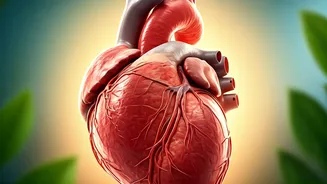
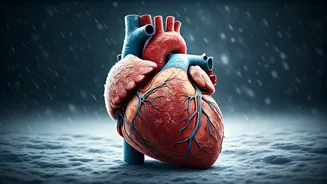
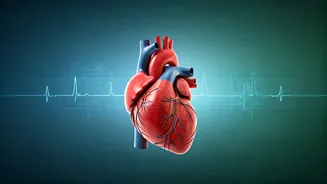
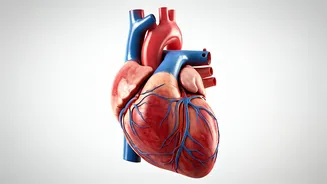
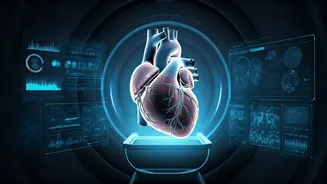
The runner's health decline was a direct result of the effects of energy drinks on his cardiovascular system. The high doses of stimulants in these beverages triggered a series of alarming events. His heart rate soared, and his blood pressure spiked, which in turn put enormous stress on his heart. The prolonged strain led to the development of serious heart issues. In severe instances, these heart complications could culminate in a heart attack or stroke. In this instance, the runner experienced a near-fatal episode. This situation emphasizes the importance of treating energy drinks with caution and understanding their potential to cause serious heart-related problems, especially in those who are already at risk.
Symptoms and Diagnosis
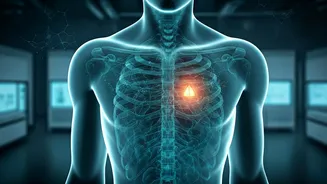
The runner's condition manifested in several symptoms, signaling the severity of his health crisis. He started experiencing chest pains, shortness of breath, and irregular heartbeats. Concerned, he went to the hospital for medical attention. Initial assessments revealed that his heart was functioning abnormally. Detailed tests confirmed significant damage, with his heart showing signs of strain. The diagnosis came as a shock; the tests and medical professionals pointed directly to excessive energy drink intake as the primary cause. This phase of the story highlights the importance of recognizing the signs of cardiovascular distress and seeking immediate medical care.
The Road to Recovery
After the diagnosis, the runner's focus shifted towards recovery, which included immediate changes to his lifestyle and medical interventions. The first and most important step was to discontinue all energy drinks, allowing his body to begin to heal from the damage. He was put on medication to manage his heart rate and blood pressure. He was also advised to follow a strict diet and exercise regime. With proper medical care, a changed lifestyle, and commitment to healthy habits, the runner gradually began to recover. His case underlines the fact that health can be regained, but that it needs consistent effort and a responsible approach to personal health.
Lessons Learned
This runner's health scare provides valuable lessons. First, that energy drinks aren’t harmless. Their high stimulant content can be dangerous, especially for those with existing health conditions or those consuming them in excess. Second, it highlights the importance of being aware of what you consume. Always carefully examine the ingredients in your beverages and food, considering how they might impact your health. Third, the incident stressed that regular health checkups and early detection are extremely vital. It enabled the runner to seek medical care when symptoms first appeared. This incident highlights a crucial message: taking care of your health means being proactive, aware, and making educated decisions to live a longer, healthier life.