







Metabolic Speed Matters
The pace at which your body converts food into energy, known as metabolism, varies significantly from person to person. Individuals with a naturally slower
metabolic rate burn fewer calories throughout the day. This means even a modest intake of food can lead to fat accumulation, challenging the notion that weight gain is solely due to overeating. Conversely, those with a more active metabolism efficiently process calories. Physical activity plays a crucial role here; increased movement naturally accelerates calorie expenditure, making it harder to gain weight. Therefore, understanding your individual metabolic profile is key to comprehending why weight gain might occur despite perceived low food consumption. It's not about 'sloth and gluttony' as often assumed, but a complex biological process influenced by numerous factors.
Hormones and Lifestyle Link
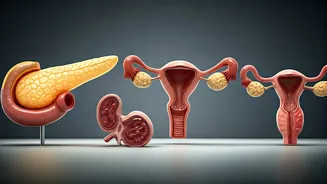
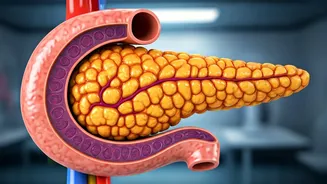
Hormonal fluctuations and daily lifestyle choices exert a profound influence on weight management. For instance, women often experience weight changes during menopause as estrogen levels decline, which can alter fat distribution and increase the risk of certain health issues like heart disease and Type-2 diabetes. Key hormones such as thyroid hormones and cortisol are integral to regulating body weight. Elevated cortisol, often linked to stress, can promote fat storage, particularly around the abdomen. Insufficient sleep also disrupts hormonal balance and can increase appetite, leading to cravings for high-calorie foods. Similarly, insulin sensitivity plays a vital role; when cells don't respond effectively to insulin, the body may store more glucose as fat.
Muscle Mass Decline
A decrease in muscle mass, which can occur with aging, inactivity, or illness, has a direct impact on your body's energy expenditure. Muscle tissue is metabolically more active than fat tissue, meaning it burns more calories even at rest. When muscle mass diminishes, your overall daily calorie burn decreases, making it easier to gain weight. Furthermore, the practice of consuming carbohydrate-rich snacks containing 10-20 grams of protein before and immediately after strength training sessions, while beneficial for muscle recovery, can also contribute to weight gain if not properly balanced within your overall dietary intake. This highlights the importance of maintaining adequate muscle mass for optimal metabolic function and weight control.
Gut Health and Digestion
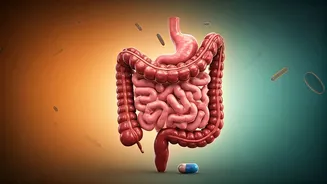
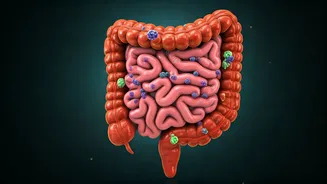
The state of your gut health and the efficiency of your digestion can significantly influence your weight. A compromised digestive system can lead to inflammation within the body. This internal inflammation can disrupt blood sugar regulation, interfering with normal metabolic processes and how your body utilizes insulin. When metabolism and insulin function are impaired due to gut-related inflammation, the body becomes more prone to storing excess energy as fat. Therefore, maintaining a healthy gut microbiome and ensuring proper digestion is not only crucial for nutrient absorption but also for effective weight management and preventing unwanted weight gain.