





Pasta's Nutritional Profile
Pasta, often mistakenly demonized for being high in carbohydrates, is fundamentally a source of energy essential for our bodies. These carbohydrates break
down into glucose, powering everything from brain function to muscle movement. For active individuals, this makes pasta a valuable meal component. Beyond traditional varieties, wholewheat pasta offers enhanced benefits due to its higher fiber content, which aids digestion and promotes satiety. Furthermore, contemporary pasta options crafted from legumes like chickpeas and lentils provide significant protein and fiber, catering to those seeking more plant-based nourishment. Even standard white pasta can be fortified during production with vital nutrients such as iron and B vitamins like thiamine and folate, debunking the myth that it offers nothing beneficial.
Mastering Portions & Pairings
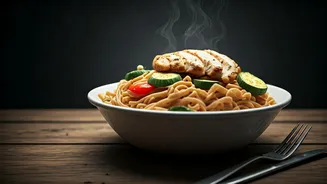
The key to integrating pasta into a healthy eating plan hinges significantly on how it's served. A recommended adult serving of dried pasta is approximately 75 grams, yielding about 180 to 200 grams when cooked. However, the true impact on health often comes from the accompaniments. Rich, creamy sauces, excessive cheese, butter, and processed meats can dramatically escalate the calorie and fat content of a dish. Conversely, by incorporating plenty of vegetables, lean proteins, and healthy fats, pasta transforms into a nutritionally complete meal. Simple additions like tomatoes, spinach, mushrooms, beans, lentils, fish, or grilled chicken elevate the dish's nutrient density. A light drizzle of olive oil paired with a generous serving of vegetables can create a fulfilling experience without the heaviness.
Understanding Bloating Triggers
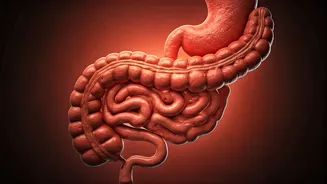
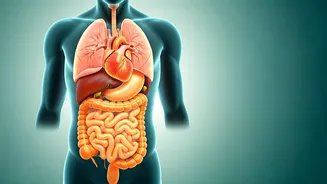
Experiencing bloating after consuming pasta is a common occurrence, but the reasons are varied. For some, gluten, a protein present in wheat-based pasta, can be problematic. Individuals with coeliac disease must avoid gluten entirely due to severe digestive reactions. Another potential culprit for digestive distress are FODMAPs, a group of carbohydrates found in wheat that some find difficult to process. When these ferment in the large intestine, they can produce gas, leading to discomfort, cramps, and bloating. Even the method of cooking pasta can play a role; pasta cooked 'al dente' (firm to the bite) digests more slowly than overcooked pasta. Additionally, cooling pasta after cooking, as often done in pasta salads, can increase resistant starch, which also slows digestion and may contribute to better gut health.